Wood Stove vs. Masonry Heater: Key Differences
On this page (12 sections)
A wood stove burns logs continuously and requires frequent loading, while a masonry heater burns hot fires quickly then radiates stored heat for hours through its massive stone or brick construction.
The key difference lies in operation: wood stoves provide immediate heat but need constant attention, whereas masonry heaters store thermal energy and release it slowly over 12-24 hours.
Choosing between these heating options affects your daily routine, energy costs, and home comfort. Let me walk you through everything you need to know.
What Is a Wood Stove?
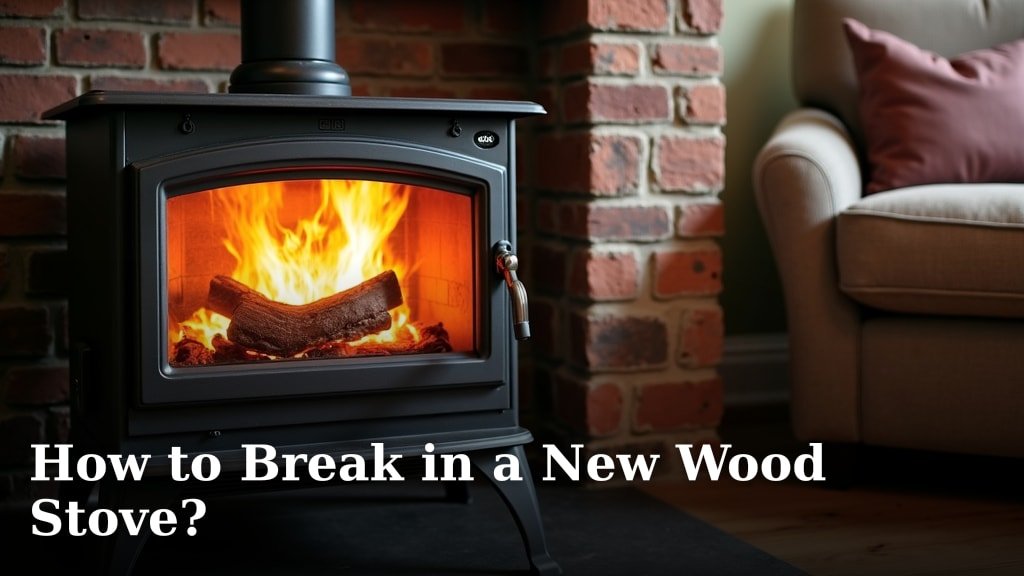
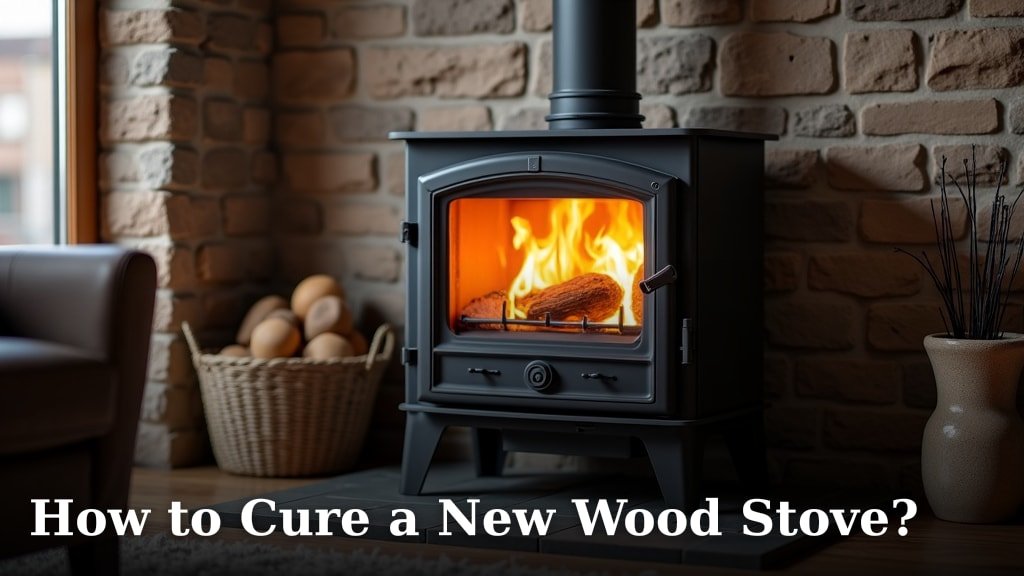
A wood stove is a metal firebox that burns wood logs to heat your space directly. You load wood, light it, and feel warmth within minutes.
Think of it like a campfire in a controlled metal box. The heat radiates from the stove’s surface and spreads through your room.
How Wood Stoves Work
Wood stoves operate through direct combustion. You place logs inside, they burn continuously, and heat transfers through the metal walls.
Modern wood stoves use secondary combustion. This burns smoke and gases for cleaner emissions and better efficiency.
Types of Wood Stoves
- Catalytic stoves: Use a catalyst to burn gases at lower temperatures
- Non-catalytic stoves: Burn gases through secondary air injection
- Hybrid stoves: Combine both technologies for maximum efficiency
What Is a Masonry Heater?
A masonry heater is a massive stone or brick structure that stores heat from intense, short fires. It’s like a thermal battery for your home.
You burn a hot fire for 1-4 hours, then the masonry mass holds that heat and releases it slowly for the next 12-24 hours.
How Masonry Heaters Work
Hot gases from the firebox travel through internal channels called flues. These passages snake through tons of masonry before reaching the chimney.
The masonry absorbs heat as gases pass through. After the fire dies, warm masonry continues radiating gentle heat.
Parts of a Masonry Heater
- Firebox: Where you burn wood at high temperatures
- Heat exchange channels: Internal passages that capture heat
- Thermal mass: Stone or brick that stores energy
- Chimney: Exits cooled gases after heat extraction
Wood Stove vs Masonry Heater: Direct Comparison
| Feature | Wood Stove | Masonry Heater |
|---|---|---|
| Heat Output | Immediate, adjustable | Delayed, steady |
| Burn Time | 6-12 hours per load | 1-4 hours per day |
| Attention Required | Frequent loading | Once or twice daily |
| Installation Cost | $3,000-$8,000 | $15,000-$30,000 |
| Floor Space | 3-6 square feet | 15-50 square feet |
Heat Distribution Patterns
Wood stoves create temperature swings. They get hot quickly, then cool down between loadings.
Masonry heaters provide consistent warmth. The surface temperature stays comfortable to touch while radiating steady heat.
Installation Requirements
Wood Stove Installation
Wood stoves need proper clearances from walls and a suitable chimney, including the right chimney pipe type. Most installations take 1-2 days.
You’ll need a non-combustible floor pad and proper ventilation. Many homeowners can install simpler models themselves.
Wood Stove Clearance Requirements
- 36 inches from front
- 18 inches from sides (varies by model)
- Floor protection extending 18 inches beyond stove
Masonry Heater Installation
Masonry heaters require custom construction by skilled masons. Installation takes 1-3 weeks.
The foundation must support 5,000-15,000 pounds. You’ll need structural engineering for most installations.
Foundation Requirements
- Reinforced concrete pad
- Proper load calculations
- Building permit required
- Professional engineering often needed
Fuel Requirements and Efficiency
Wood Consumption
Wood stoves burn 3-6 cords of wood per heating season. You’ll load wood every 6-12 hours during cold weather.
Masonry heaters use 2-4 cords annually. The high-temperature burns extract more energy from each log.
Wood Quality Needs
Both systems need dry, seasoned or kiln-dried wood with 20% moisture content or less. Wet wood reduces efficiency and increases creosote.
Masonry heaters work best with smaller pieces that burn hot and fast. Wood stoves can handle larger logs for longer burns.
Best Wood Types
- Hardwoods: Oak, maple, ash for long burns
- Softwoods: Pine, fir for quick heat
- Mixed loads: Hardwood base with softwood kindling
Operating Costs
Initial Investment
Wood stoves cost $3,000-$8,000 installed. High-efficiency models cost more but burn less wood.
Masonry heaters cost $15,000-$30,000 or more. Custom designs and remote locations increase prices.
Annual Operating Costs
Wood costs vary by region but expect $200-$400 per cord. Both systems can heat homes for $500-$1,500 annually.
Masonry heaters often cost less long-term due to higher efficiency and lower wood consumption.
Maintenance Requirements
Wood Stove Maintenance
Clean the chimney annually or after every cord of wood. Remove ash weekly during heating season.
Replace gaskets, firebrick, and catalysts as needed. Most maintenance takes basic tools and weekend time.
Regular Wood Stove Tasks
- Weekly ash removal
- Monthly glass cleaning
- Annual chimney inspection
- Gasket replacement every 2-3 years
Masonry Heater Maintenance
Masonry heaters need less frequent cleaning due to high-temperature burns. Inspect annually but major cleaning every 2-3 years.
The masonry lasts decades with minimal care. Internal channels may need professional cleaning occasionally.
Environmental Impact
Emissions Comparison
Modern wood stoves meet EPA standards with 2-4 grams of particulates per hour. Catalytic models produce the cleanest burns.
Masonry heaters create even lower emissions due to complete combustion at high temperatures. Research shows they produce 90% fewer particles than older wood stoves (EPA).
Carbon Footprint
Both systems burn renewable fuel if you source wood locally. Masonry heaters edge ahead due to higher efficiency.
Transportation distance matters more than heating method for overall carbon impact.
Comfort and Convenience
Daily Operation
Wood stoves need attention every 6-12 hours. You’ll wake up to cold stoves and restart fires regularly.
Masonry heaters let you burn one fire daily and enjoy heat all day. No middle-of-night loading required.
Heat Quality
Wood stoves create convection currents that can feel drafty. Surface temperatures reach 400-700°F.
Masonry heaters radiate gentle warmth similar to sunshine. Surface temperatures stay around 150-200°F.
Comfort Factors
- Temperature stability
- Air movement patterns
- Humidity levels
- Operational noise
Which Should You Choose?
Choose a Wood Stove If:
- You want immediate, adjustable heat
- Initial cost is a primary concern
- You have limited floor space
- You enjoy tending fires regularly
- You need supplemental heating only
Choose a Masonry Heater If:
- You want consistent, gentle warmth
- You prefer minimal daily maintenance
- You have adequate space and budget
- You’re building or renovating
- You want maximum efficiency
Planning Your Decision
Space Considerations
Measure your available space carefully. Masonry heaters need room for the structure plus clearances.
Consider traffic flow around either unit. Both become focal points in your living space.
Local Codes and Permits
Check local building codes before deciding. Some areas restrict wood burning during air quality alerts.
Masonry heaters always need permits. Wood stove requirements vary by location.
Conclusion
Your choice between a wood stove and masonry heater depends on your priorities, budget, and lifestyle. For a broader look at the benefits, read these reasons to choose wood heating. You can also compare wood stoves and inserts for another home heating option. Wood stoves offer flexibility and lower upfront costs but require more attention. Masonry heaters provide superior comfort and efficiency but cost significantly more initially.
Consider your daily routine, available space, and long-term heating goals. Both options can provide years of renewable warmth when properly installed and maintained. The right choice is the one that fits your specific needs and circumstances.
Can you install a masonry heater in an existing home?
Yes, but you’ll need adequate floor support for the weight and space for the large footprint. Most installations require structural modifications and professional engineering consultation.
How long do wood stoves and masonry heaters typically last?
Quality wood stoves last 15-25 years with proper maintenance. Masonry heaters can last 50-100 years since the masonry structure rarely needs replacement, only occasional repairs.
Which system works better for heating multiple rooms?
Masonry heaters radiate heat more evenly and don’t create the hot and cold zones that wood stoves often produce. Fans can help distribute wood stove heat to adjacent rooms.
Do masonry heaters work during power outages?
Yes, masonry heaters work completely independently of electricity. They continue radiating stored heat for hours even after the fire burns out, making them excellent for emergency heating.
What happens if you overheat a masonry heater?
Masonry heaters are designed for high-temperature burns, but excessive overfiring can crack the masonry or damage internal components. Follow manufacturer guidelines for maximum fuel loads and burn rates.