What Is the Best Small Space Heater for an Office?
On this page (3 sections)
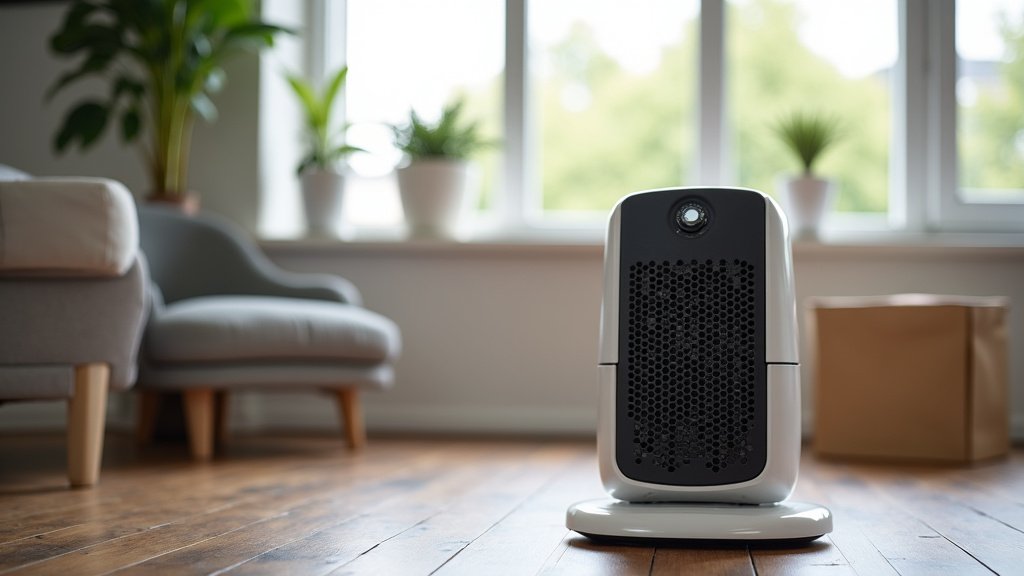
The best small space heater for an office is typically a ceramic oscillating heater with safety features like tip-over protection and automatic shut-off. These models offer efficient, targeted warmth without taking up much space, making them ideal for your desk area.
You want a heater that keeps you cozy without bothering co-workers or tripping breakers. Our research shows that a personal office heater should be quiet, safe, and energy-efficient. Nobody wants a noisy fan or a unit that gets too hot to touch.
- Ceramic oscillating heaters are best for offices.
- Look for key safety features: tip-over switch, auto shut-off.
- Quiet operation is important in an office setting.
- Size and portability matter for small spaces.
Let’s walk through how to choose the perfect small space heater for your office, ensuring you stay warm and productive all day long.
Choosing the Best Small Office Space Heater
The best small space heater for your office is a ceramic oscillating model. It should have safety features like tip-over protection and automatic shut-off. These units provide efficient, targeted warmth without taking up much space, perfect for your desk.
You want a heater that keeps you warm without bothering others or tripping breakers. Our research shows that a personal office heater needs to be quiet, safe, and energy-efficient. Nobody wants a noisy fan or a unit that gets too hot to touch.
Understanding Different Heater Types
When you’re looking for a small office heater, you’ll find a few main types. Each one works a little differently. Knowing these differences helps you pick the right warmth for your space.
Ceramic Heaters: Your Best Bet
Ceramic heaters are often recommended for office use. They use ceramic plates heated by electric coils. A fan then blows air over these plates. This design creates a steady, even warmth.
- Quick heating: They warm up fast.
- Self-regulating: The ceramic material helps prevent overheating.
- Energy-efficient: They tend to use less energy than some other types.
Many office models are ceramic because they are safe and effective for personal use. They typically stay cool to the touch, which is a big plus in a busy environment.
Radiant Heaters: Focused Warmth
Radiant heaters work by emitting infrared radiation. This radiation directly heats objects and people in its path, much like the sun. They don’t heat the air around them as much as other types.
- Quiet operation: No fan, so they are very quiet.
- Targeted heat: Good if you need warmth directed at you.
However, radiant heaters can sometimes feel intense in a small space. They might not warm a larger area evenly. Think of it like a spotlight of warmth.
Fan Heaters: Quick but Noisy
Fan heaters use a heating element and a fan to blow warm air. They are often the most common and affordable type. You’ve probably seen them everywhere.
- Fast heat: They can warm a space quickly.
- Dispersed warmth: The fan spreads the heat around.
The main downside for an office is the noise level. The fan can be distracting. Also, they can sometimes dry out the air more than ceramic models.
Essential Safety Features for Office Heaters
Safety is not something to compromise on, especially in an office. You’re working with electronics, paper, and other people. A safe heater protects you and your co-workers.
Tip-Over Protection: A Must-Have
Imagine accidentally knocking your heater over. Without tip-over protection, it could keep heating. This feature automatically shuts the unit off if it gets knocked or tilted. It’s a simple sensor that can prevent a serious issue (Consumer Product Safety Commission).
Automatic Shut-Off: Overheat Prevention
An automatic shut-off feature monitors the heater’s internal temperature. If the heater gets too hot, it will turn itself off. This prevents overheating and potential fire hazards. Look for this on any model you consider.
Cool-Touch Exterior: No Surprises
Heaters with a cool-touch exterior stay safe to the touch, even when running. This is important if your heater is near your desk or in a shared space. No one wants to accidentally brush against a scorching surface.
Considerations for Office Use
An office environment has unique needs. Your heater should blend in, not stand out in a bad way. Think about your co-workers, the office rules, and your comfort.
Size and Portability: Small Footprint is Key
Your desk probably isn’t huge. So, you need a heater that’s compact and doesn’t take up much room. Many personal heaters are designed to be small enough to sit on or under a desk without being a tripping hazard. Look for models that are easy to move if you change desks or work from home sometimes.
Noise Level: Keep It Quiet
This is a big one for any office. A loud fan heater can disrupt your focus and annoy others. Ceramic heaters with quiet fans are ideal. Some radiant heaters are silent since they don’t have fans. Check reviews for mentions of noise before you buy.
Energy Efficiency: Save on Power
While you might not pay the electric bill directly, an energy-efficient heater is still important. It means less strain on the office power grid and a lower carbon footprint. Look for heaters with a low wattage for personal use (around 750W-1500W). Some have “eco” modes that adjust power based on temperature.
Oscillation: Spreading the Warmth
An oscillating heater rotates from side to side. This helps distribute warm air more evenly across your personal space. It’s great if you don’t want the heat constantly blowing in one direction. It creates a gentle, circulating warmth.
Wattage and Heating Power
Heater wattage tells you how much power it uses and how much heat it can produce. For a personal office space, you don’t need a super-powerful heater.
- 750 Watts: Good for very small, personal spaces right at your desk.
- 1000-1500 Watts: Suitable for warming a small cubicle or a larger personal area.
Be careful with higher wattage heaters. They can sometimes overwhelm smaller office circuits. Check with your office manager if there are any wattage restrictions.
Here’s a quick overview of what to look for:
| Feature | Why It Matters for Office | Ideal Type |
|---|---|---|
| Safety | Prevents accidents, protects you and others. | Ceramic with safety features |
| Quiet Operation | No distractions for you or co-workers. | Ceramic (quiet models), Radiant |
| Compact Size | Fits on/under desk, doesn’t get in the way. | Small ceramic models |
| Energy Efficiency | Uses less power, good for office grid. | Ceramic (750-1500W) |
| Even Heat Distribution | Keeps you consistently warm. | Oscillating ceramic |
Checklist for Your Office Heater Purchase
Before you buy, run through this quick checklist. It helps make sure you’re getting the right heater for your specific needs and office environment.
- Does it have tip-over protection?
- Does it have automatic shut-off for overheating?
- Is it a ceramic heater for efficient, safe warmth?
- Is the noise level acceptable (read reviews!)?
- Is it small and portable enough for your desk?
- Does it offer oscillation for better heat distribution?
Remember, a little planning goes a long way. You want to be warm and productive, not worried about safety or annoying your colleagues!
Conclusion
Choosing the best small space heater for your office boils down to a few key factors. Prioritize a ceramic oscillating model for its efficient, targeted warmth and safe operation. Always ensure it has crucial safety features like tip-over protection and automatic shut-off to keep your workspace secure. You want a heater that’s quiet, compact, and energy-efficient, fitting seamlessly into your workday without causing distractions or issues. By following these guidelines, you’ll find a personal heater that keeps you warm, comfortable, and productive.
Frequently Asked Questions
Is it safe to use a space heater under my desk?
Yes, it can be safe if you choose the right type. Opt for a small ceramic heater with tip-over protection and auto shut-off. Make sure it has a cool-touch exterior and is placed on a hard, flat surface, not on carpet or near flammable materials.
What wattage is ideal for a personal office space heater?
For a personal office or cubicle, a heater between 750 watts and 1500 watts is usually ideal. 750W works for very small, direct warmth. 1500W offers more heating power for a slightly larger personal area. Always check with your office about wattage restrictions.
Why are ceramic heaters recommended more than radiant or fan heaters for offices?
Ceramic heaters offer a good balance of features. They provide steady, even warmth, heat up quickly, and are generally safer with self-regulating properties. Unlike noisy fan heaters or intensely focused radiant heaters, ceramic models are often quieter and safer for close proximity use.
Can using a space heater in the office trip a circuit breaker?
Yes, a space heater can trip a circuit breaker, especially if it’s a high-wattage model or if too many devices are on the same circuit. To prevent this, choose a heater with appropriate wattage for office use (750-1500W) and avoid plugging it into an overloaded outlet. You might need to check your office’s specific electrical guidelines.
How can I tell if a space heater is truly “quiet”?
Checking product reviews is your best bet for noise levels. Look for specific mentions of “quiet operation” or “low noise.” Ceramic heaters are often quieter than traditional fan heaters due to their design. Some models even list a decibel (dB) rating, which can help you compare.