What Is the Best Fireplace Insert for an Old Masonry Fireplace?
On this page (6 sections)
Choosing the best fireplace insert for your old masonry fireplace can feel like a puzzle, but the answer is straightforward: a wood-burning fireplace insert is often your top choice for aesthetics and heat. For efficiency and modern convenience, a gas fireplace insert is a strong contender. It all depends on what you want most for your cozy hearth.
Many homeowners with older brick fireplaces are looking for ways to make them more efficient and safer. Fireplace inserts are designed to fit right into your existing structure. They can dramatically improve heat output and reduce air pollution. Think of it as giving your charming old fireplace a modern upgrade while keeping its classic look.
- Wood inserts offer rustic charm and efficient heating.
- Gas inserts provide instant heat and easy operation.
- Electric inserts are the simplest to install and use.
- Consider your heating needs and desired ambiance.
- Safety and local building codes are very important.
We found that the best insert for you balances your desire for a beautiful, traditional fire with practical heating needs. Let’s walk through the options and help you find the perfect fit for your old masonry fireplace.
Finding the Right Fireplace Insert for Your Old Brick Fireplace
You’ve got a charming old masonry fireplace. It’s seen a lot of winters! Now you’re wondering how to make it a better heat source. A fireplace insert is a fantastic way to do this. It can turn your drafty, inefficient fireplace into a cozy, warm centerpiece. We’ve looked into the best options. Let’s figure out which type of insert will make your hearth happy.
Understanding Your Fireplace Insert Options
There are three main types of fireplace inserts. Each offers a different experience. Think about what you want most from your fireplace. Do you love the smell of burning wood? Or maybe you prefer easy, instant heat? Your preferences will guide you to the best choice.
Wood-Burning Fireplace Inserts: For the Traditionalist
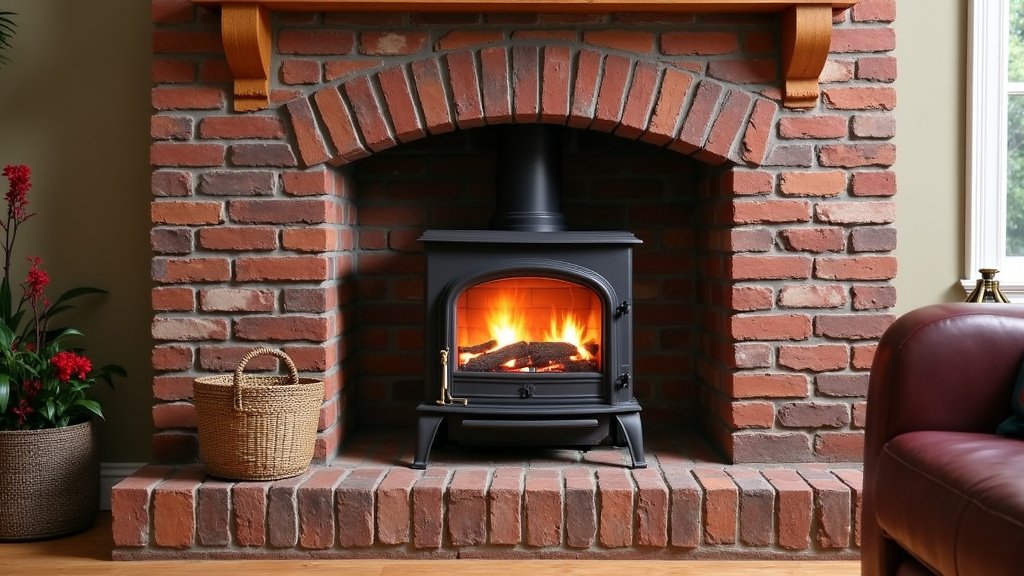
Many people choose wood inserts for the classic fireplace feel. They give you that authentic crackling fire and smoky aroma. You’ll get a beautiful ambiance that’s hard to match. Plus, they are often very efficient heat sources. They can warm up a large area of your home.
These inserts are essentially wood stoves designed to fit inside your existing fireplace. They have a sealed firebox and a chimney connection. This design prevents heat from escaping up the chimney. Instead, it directs warmth into your room. We found that they are significantly more efficient than an open fireplace. Estimates suggest they can be 70-80% efficient (U.S. Department of Energy).
Pros of Wood Inserts
- Authentic Fire Experience: Nothing beats the look and smell of real burning logs.
- Excellent Heating Power: Many models can heat an entire home during a power outage.
- Fuel Availability: Wood can be a cost-effective fuel source if you have access to it.
- Eco-Friendly Burning: Modern EPA-certified inserts burn cleaner than older models.
Cons of Wood Inserts
- Fuel Storage: You need space to store seasoned firewood.
- Loading and Cleaning: This requires regular effort. You’ll need to tend the fire and clean out ashes.
- Smell: Some people dislike the smoky smell.
- Emissions: Even clean-burning models produce more emissions than gas or electric.
Gas Fireplace Inserts: For Convenience and Comfort
If you love the idea of a fireplace but hate the work, gas inserts are a great option. They offer heat at the flick of a switch. You can control the temperature easily. This makes them incredibly convenient for everyday use.
Gas inserts use either natural gas or propane. They connect directly to your home’s gas line. The fire is created by burning gas over ceramic logs or other decorative media. Many models come with remote controls or thermostats. We found that they can provide consistent, controllable heat. They are also much cleaner burning than wood.
Pros of Gas Inserts
- Ease of Use: Instant on/off with a remote or thermostat.
- Clean Burning: Produce very few emissions compared to wood.
- Consistent Heat: Easy to set and maintain a desired room temperature.
- No Fuel Storage: No need to buy, stack, or season wood.
- Variety of Styles: Available in many designs to match your decor.
Cons of Gas Inserts
- Less Authentic Fire: The flames and heat can feel less “real” than wood.
- Requires Gas Line: You need access to natural gas or a propane tank.
- Pilot Light: Some older models require a constantly burning pilot light, which wastes energy.
- Efficiency Varies: Not all gas inserts are created equal; look for high efficiency ratings.
Electric Fireplace Inserts: The Simple Solution
Electric inserts are the easiest to install and use. They simply plug into a standard electrical outlet. You don’t need any special venting or gas lines. This makes them a versatile choice for many homes.
They work by using heating elements to generate warmth. Many electric fireplaces mimic the look of a real fire with LED lights. You can often use the flame effect without the heat. This gives you ambiance year-round. We found them to be the most straightforward option for supplemental heat and decor.
Pros of Electric Inserts
- Easiest Installation: Just plug them in and go.
- No Venting Required: Can be placed almost anywhere.
- Safe Flames: The “flames” are cool to the touch, making them safe for homes with children or pets.
- Low Maintenance: No cleaning ashes, no fuel to buy.
- Ambiance Only Option: Use the visual effect without any heat.
Cons of Electric Inserts
- Lowest Heating Efficiency: They are generally less effective at heating large spaces.
- Electricity Costs: Running the heater can increase your electricity bill.
- Least Realistic Fire: The flame effect is not as convincing as wood or gas.
- Limited Styles: Fewer options for integrating into a traditional masonry fireplace.
Key Factors When Choosing Your Insert
Beyond the type of fuel, several other things matter. You want your insert to be a good fit for your home and your lifestyle. Thinking about these details now will save you headaches later.
Heating Needs and Efficiency Ratings
How much heat do you actually need? Are you looking to supplement your existing heating system? Or do you want to heat a single room? For serious heating, wood or gas inserts are usually better. Electric inserts are best for supplemental warmth or ambiance.
Look for efficiency ratings. For wood inserts, check the EPA certification. For gas, look at the AFUE (Annual Fuel Utilization Efficiency). Higher percentages mean more heat for your money. Many modern inserts are designed to be highly efficient. They can significantly reduce your heating bills (Energy Star). This is a big improvement over an open hearth.
Installation and Venting Requirements
This is where your old masonry fireplace comes into play. Most wood and gas inserts require a properly sized and sealed chimney. Your existing chimney might need inspection and some work.
A qualified chimney sweep or fireplace installer should assess your chimney. They can tell you if it’s suitable. They might recommend relining it for safety and better performance. Electric inserts, thankfully, require no special venting. They just need an outlet nearby.
Aesthetics and Your Home’s Style
Your fireplace is a focal point. The insert should look good too! Inserts come with different door styles, firebrick designs, and optional surrounds. You can find options that complement your room’s decor.
Consider the view of the fire. Some inserts have larger glass doors for a better view. Others might have more decorative grilles. Think about the realism of the flame. We found that some gas inserts have very realistic flames these days. Wood inserts naturally offer the most authentic fire experience.
Budget and Running Costs
Fireplace inserts vary greatly in price. The unit itself, installation, and any necessary chimney work all add up. Wood inserts might have a lower upfront cost than gas. But you’ll have ongoing costs for wood (if you don’t get it for free) and maintenance.
Gas inserts can be more expensive initially. However, their running costs depend on local gas prices. Electric inserts have low upfront costs but can be more expensive to run if used heavily for heat. We recommend calculating the total cost of ownership over several years.
Making the Final Decision: A Quick Checklist
To help you narrow down your choices, ask yourself these questions:
- How important is the realistic look and smell of a wood fire to you?
- Do you prefer the ease of instant heat with a gas or electric insert?
- What is your budget for the insert and installation?
- How much time are you willing to spend on maintenance (e.g., loading wood, cleaning)?
- Does your existing chimney need significant work?
- How much heat do you need to generate?
Answering these will point you toward the best type of insert. Many experts suggest having a professional inspect your chimney before you buy anything. This ensures a safe and effective installation.
| Feature | Wood Insert | Gas Insert | Electric Insert |
|---|---|---|---|
| Authenticity of Fire | High | Medium | Low |
| Ease of Use | Low | High | Very High |
| Heating Power | High | High | Low |
| Installation Complexity | Medium/High (chimney needed) | Medium/High (gas line & chimney needed) | Very Low (plug-in) |
| Maintenance | High | Low | Very Low |
| Running Costs | Variable (depends on wood cost) | Variable (depends on gas cost) | Variable (depends on electricity cost) |
Conclusion
You’ve learned that the best fireplace insert for your old masonry fireplace isn’t a one-size-fits-all answer. A wood-burning insert offers that authentic hearth experience, while a gas insert provides modern convenience and controllable heat. For the simplest setup, an electric insert is hard to beat. Your ideal choice depends on what you value most: ambiance, ease of use, or raw heating power.
Before you buy, remember to get your chimney professionally inspected. This ensures a safe, efficient, and satisfying upgrade for your cozy home. You’re just a few steps away from enjoying your revitalized fireplace!
Frequently Asked Questions
How do I know if my old masonry fireplace can even take an insert?
Most old masonry fireplaces can accommodate an insert, but an inspection is key. A qualified chimney sweep will check your chimney’s structural integrity, size, and liner condition. They can tell you if any repairs are needed for a safe and effective installation.
What’s the difference in heating power between wood, gas, and electric inserts?
Wood and gas inserts generally offer much higher heating power and can warm larger areas or even supplement your home’s main heating system. Electric inserts are best for supplemental warmth in a single room or for ambiance only, as their heating capacity is limited.
Do I need to line my chimney to install a fireplace insert?
Yes, for most wood and gas inserts, relining your chimney is highly recommended or often required. A stainless steel liner ensures safety by containing the fire and exhaust, improving draft, and protecting your masonry structure from heat and moisture.
Can I install a fireplace insert myself, or do I need a professional?
While electric inserts are often DIY-friendly, professional installation is strongly advised for wood and gas inserts. This includes proper connection to your chimney, gas line (if applicable), and ensuring all safety codes are met. A professional ensures optimal performance and safety.
How much maintenance can I expect for each type of insert?
Wood inserts require the most maintenance, including regular loading of fuel and cleaning out ashes. Gas inserts need minimal maintenance, typically just an annual check-up. Electric inserts require virtually no maintenance, just occasional dusting.