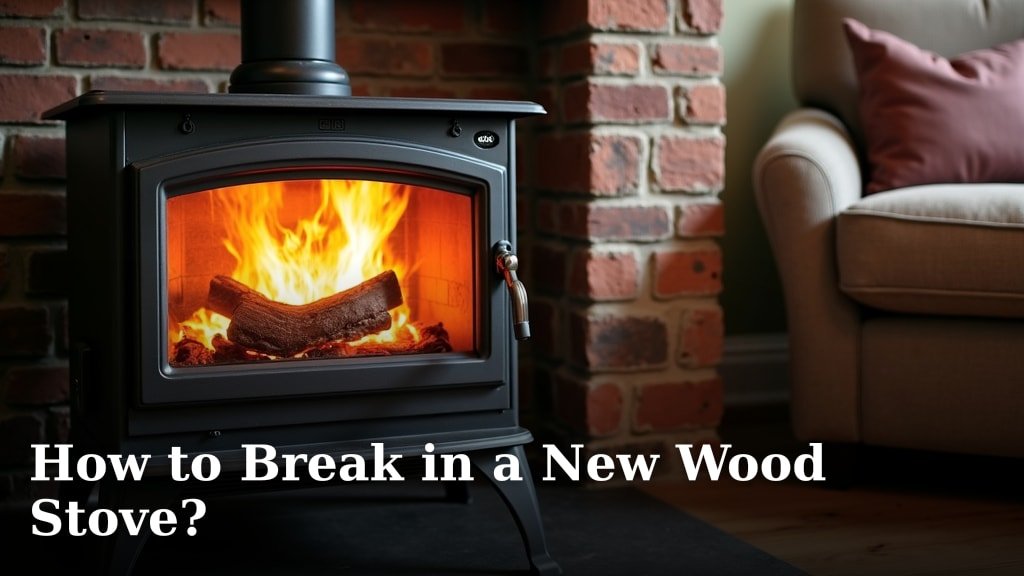
How to Install a Carbon Monoxide Detector Near a Wood Stove?
On this page (6 sections)
To install a carbon monoxide detector near a wood stove, place it at least 15 to 20 feet away from the appliance. This distance helps prevent false alarms from harmless smoke or fumes. Always follow the manufacturer’s specific instructions for optimal placement.
Wood stoves are cozy, but they do produce carbon monoxide (CO). This invisible, odorless gas is dangerous, so a working CO detector is a must. We want you to stay warm and safe. Finding the right spot for your detector is key.
- Place CO detectors 15-20 feet from the stove.
- Avoid putting them directly above the stove.
- Install on a wall or ceiling.
- Always check the manufacturer’s guide.
- Test your detector regularly.
You’re probably wondering exactly where that sweet spot is. Let’s walk through how to keep your home safe and sound with the proper CO detector placement.
Optimal Placement for Your CO Detector Near a Wood Stove
The goal is to keep you safe from carbon monoxide without constant false alarms. Finding that sweet spot is easier than you think.
Why Distance Matters: Preventing False Alarms
Your wood stove produces more than just heat. It also creates smoke and other combustion byproducts. Gas fireplaces can produce carbon monoxide too, as explained in our guide to gas fireplace carbon monoxide. These can trick a CO detector placed too close.
We’ve found that placing your detector at least 15 to 20 feet away helps avoid these nuisances. Think of it as giving the stove its own breathing room. This distance allows any harmless smoke to dissipate.
You want your detector to alert you to actual CO, not just a puff from loading wood. A well-placed detector is a reliable detector.
Ideal Locations: Walls and Ceilings
Where should it go, exactly? Most CO detectors perform best when installed on a wall or ceiling. Airflow plays a big role in detection.
On the Wall
If mounting on a wall, aim for about 5 feet from the floor. This height is generally above where small children or pets might tamper with it. It also places the sensor in a good position to detect CO, which mixes with air.
Avoid placing it right next to a window or a door. Drafts can interfere with how the detector reads the air.
On the Ceiling
Ceiling placement is also an excellent option. When installing on the ceiling, make sure it’s at least 12 inches away from any wall. This prevents it from being in a “dead air” space, where CO might not circulate properly.
Some experts, like those from the National Fire Protection Association (NFPA), often recommend ceiling placement for smoke detectors. For CO, both wall and ceiling can work well.
Areas to Avoid for CO Detector Placement
Just as important as where to put your detector is where not to put it. Incorrect placement can make it less effective or prone to false alarms.
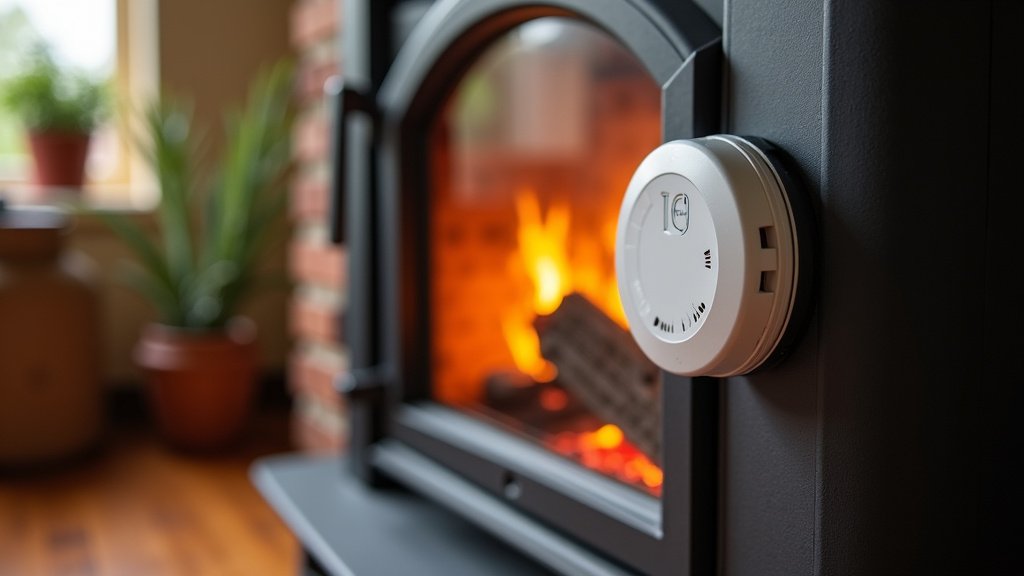
- Directly above the stove: This is a big no-no. Heat, smoke, and fumes from the stove will trigger constant false alarms.
- Near vents or fans: Strong air currents can prevent CO from reaching the sensor accurately.
- In direct sunlight: Extreme temperatures can affect the detector’s electronics.
- Near humid areas: Bathrooms or very damp basements can cause issues with the sensor.
- Behind curtains or furniture: Obstructions will block the air from reaching the detector.
- In garages: Vehicle exhaust contains CO, but a garage isn’t a living space where a detector is typically needed.
Think of your detector as needing its own clear space to do its job properly.
Understanding Carbon Monoxide and Your Detector
CO is often called the “silent killer” because you can’t see, smell, or taste it. Your detector is your only warning system.
How CO Detectors Work
Most modern CO detectors use an electrochemical sensor. This sensor reacts with CO molecules in the air. When CO levels reach a certain concentration over a specific time, the alarm sounds.
It’s not just about a sudden burst of CO. It’s about sustained exposure. The detector measures CO levels in parts per million (ppm) over time. Higher concentrations or longer exposure times trigger the alarm.
Types of CO Detectors Available
You have a few choices when picking a detector. Each has its pros and cons.
| Detector Type | Description | Pros | Cons |
|---|---|---|---|
| Battery-powered | Runs on disposable or sealed batteries. | Easy to install, works during power outages. | Batteries need regular replacement (unless sealed), may have shorter lifespan. |
| Plug-in (with battery backup) | Plugs into a standard outlet, backup battery for outages. | No battery changes for primary power, backup offers protection. | Requires an available outlet, can be accidentally unplugged. |
| Hardwired (with battery backup) | Connects directly to your home’s electrical system. | Continuous power, often interconnected with other alarms. | Requires professional installation, doesn’t work if power fails (without backup). |
| Combination Smoke/CO | Detects both smoke and carbon monoxide. | Convenient, fewer devices to install. | Placement can be tricky for optimal smoke and CO detection. |
For wood stove homes, a battery-powered or plug-in with battery backup is a solid choice. Power outages can happen, and your detector needs to keep working.
General Home CO Detector Placement Guidelines
Beyond the wood stove area, you need CO detectors throughout your home. This provides comprehensive protection.
Every Level and Sleeping Area
The general rule is to have at least one CO detector on every level of your home. This includes the basement, main floor, and upstairs.
You also need a detector near or inside every sleeping area. If CO builds up overnight, you want to be alerted while you’re asleep. This is critical because CO can incapacitate you before you even realize it’s there (CDC).
Consider placing one in a central hallway outside bedrooms. Or, if bedrooms are spread out, one inside each.
Common Areas to Consider
Think about places where fuel-burning appliances are present, even if they aren’t your wood stove.
- Near an attached garage, especially if you park a car inside.
- Near a furnace or water heater in a utility closet or basement.
- Any room where a gas fireplace or other fuel-burning heater is used.
The more coverage you have, the safer you’ll be. It’s about creating a safety net for your entire family.
Installation and Maintenance Checklist
Installing your detector is just the first step. Regular maintenance ensures it stays ready to protect you.
Your CO Detector Checklist
Use this quick list to keep your CO safety on track:
- Read the manual: Always follow the manufacturer’s specific instructions. They know their product best.
- Test monthly: Press the “test” button every month. You should hear a loud alarm.
- Replace batteries: If battery-powered, replace batteries twice a year (a good reminder is when you change clocks for daylight saving).
- Clean regularly: Gently vacuum or wipe the detector’s vents to prevent dust buildup.
- Note the expiration date: CO detectors typically last 5-10 years. Mark the replacement date on the detector itself.
- Know the sound: Familiarize your family with the alarm sound. Practice an escape plan.
A well-maintained detector is your best defense against the invisible threat of carbon monoxide.
Conclusion
Protecting your home from carbon monoxide when you have a wood stove is straightforward. Read why wood burning needs a CO detector. By placing your CO detector 15 to 20 feet away from the stove, you effectively prevent false alarms while ensuring early detection of this dangerous gas. Remember to consider wall or ceiling placement and always steer clear of areas like directly above the stove or near drafts.
Regular testing and maintenance of your detectors are just as vital as their initial installation. Take a few moments today to review your CO detector setup and make any necessary adjustments. Your family’s safety is worth it.
Frequently Asked Questions
Are combination smoke and CO detectors good for homes with wood stoves?
Combination detectors can be convenient, but their placement can be a bit tricky with wood stoves. Since smoke detectors are often placed higher and closer to the source of smoke, and CO detectors need more distance, you might find better results with separate units. This allows for optimal placement for each specific hazard.
How many carbon monoxide detectors do I need if I have a wood stove?
Beyond the one positioned correctly near your wood stove, you should have CO detectors on every level of your home. Also, place one near or inside all sleeping areas. This ensures comprehensive coverage, as CO can spread throughout your home.
Can extreme cold or heat affect my CO detector’s performance?
Yes, extreme temperatures can impact a CO detector’s accuracy and lifespan. Avoid placing detectors in unheated garages, attics, or basements where temperatures fluctuate widely. Always refer to your manufacturer’s guide for the recommended operating temperature range for your specific model.
What should I do if my carbon monoxide detector goes off near my wood stove?
If your CO detector alarms, immediately move everyone, including pets, outside to fresh air. Do not try to find the source. Once outside, call 911 or your local fire department. Only re-enter your home after emergency services have confirmed it is safe.
Do CO detectors wear out, or are they good forever?
No, CO detectors are not good forever. They have a limited lifespan, typically between 5 to 10 years, depending on the model. The sensors inside degrade over time. Always check the expiration date printed on your detector and replace it promptly when due, even if it seems to be working.