Do Gas Fireplaces Produce Carbon Monoxide?
On this page (5 sections)
Yes, gas fireplaces can produce carbon monoxide, but modern, properly vented units are designed to do so safely. While natural gas and propane combustion naturally creates carbon monoxide (CO), a colorless, odorless gas, your fireplace’s venting system is key. This system directs any CO produced outside your home, preventing it from building up indoors and keeping your family safe from dangerous levels.
When you’re enjoying the cozy glow of your gas fireplace, it’s natural to wonder about its safety. While a small amount of CO is a byproduct of burning fuel, the real concern is when it can’t escape. Research shows that improper ventilation is the main culprit for CO buildup. This is why ensuring your fireplace is correctly installed and regularly maintained is so important for keeping your air clean.
- Gas fireplaces do produce carbon monoxide (CO).
- Proper venting is essential for safety.
- Unvented or poorly vented units pose the biggest risk.
- Regular maintenance is key to safe operation.
- CO detectors are your most important safety tool.
We’ve looked into the facts about gas fireplaces and CO. Let’s walk through exactly what you need to know about how they work and how to stay safe.
“`htmlUnderstanding Carbon Monoxide From Gas Fireplaces
So, can gas fireplaces produce carbon monoxide? The short answer is yes, they can. It’s a natural byproduct of burning any fuel, including natural gas and propane. Think of it like the exhaust from your car. When fuel burns, it releases gases, and carbon monoxide (CO) is one of them. But don’t panic just yet! The real question isn’t if CO is produced, but rather if it’s handled safely.
The good news is that modern gas fireplaces are designed with safety in mind. The key to keeping you safe lies in how well these gases are vented. A properly installed and functioning fireplace will direct any CO produced safely out of your home. It’s the unvented or poorly vented situations that can lead to dangerous levels of CO building up indoors.
How Gas Fireplaces Work and Produce CO
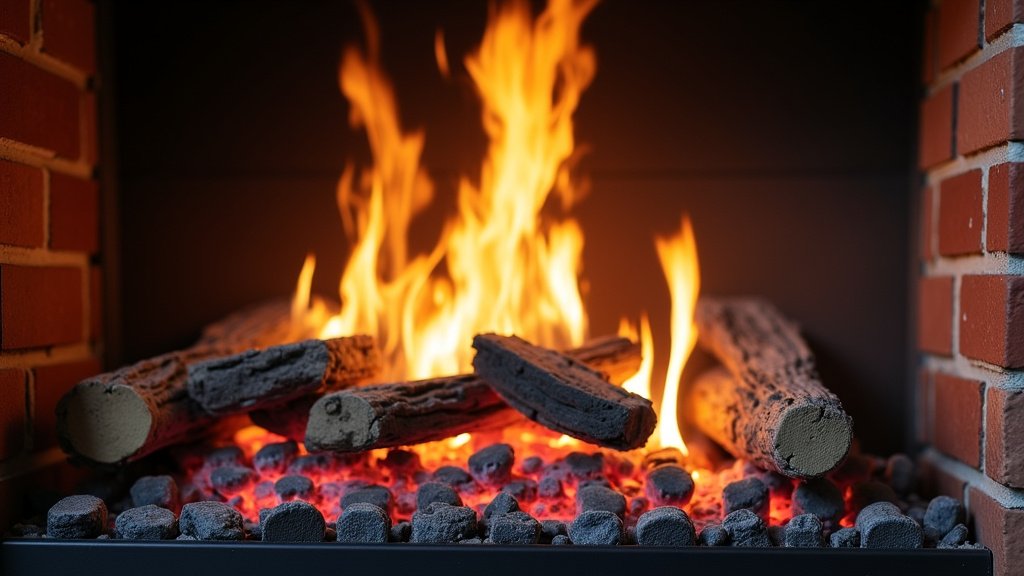
Gas fireplaces burn fuel to create heat and a cozy ambiance. This process is called combustion. When natural gas or propane mixes with oxygen and ignites, it breaks down into various gases. The ideal combustion process creates mostly carbon dioxide (CO2) and water vapor. However, if the air-to-fuel mixture isn’t perfect, or if the combustion isn’t complete, more carbon monoxide (CO) is produced.
We’re talking about a colorless, odorless gas here. That’s why it’s so sneaky! Your nose can’t detect it, and your eyes can’t see it. This is why relying on your senses alone isn’t enough to know if CO is present. We found that incomplete combustion is a primary driver for increased CO output (CDC).
The Role of Combustion Air
Just like a campfire needs air to burn brightly, your gas fireplace needs oxygen. This oxygen is called combustion air. The fireplace draws this air from the room it’s in, or from an outside source depending on its design. If the fireplace doesn’t get enough air, the combustion process becomes inefficient. This inefficiency means more CO is likely to be generated.
Older homes, or homes that have been tightly sealed for energy efficiency, can sometimes have less available air. This can make it harder for appliances to get the oxygen they need. It’s a bit like trying to breathe in a really crowded, stuffy room – it’s just harder to get enough fresh air in.
What Happens to the CO?
In a properly vented gas fireplace, the CO produced during combustion is guided out of your home through a vent or chimney system. This system acts like a chimney for your fireplace, carrying away the byproducts of the burn. Think of it as a dedicated exhaust pipe for your fireplace. The goal is always to keep the air you breathe clean and CO-free.
The vent material, its size, and its connection to the outdoors are all critical components. If the vent is blocked, damaged, or not properly connected, CO can escape into your living space. We found that blockages from debris or animal nests are common issues that can compromise venting (National Fire Protection Association).
Vent Types and Their Impact on CO Safety
The type of venting your gas fireplace has is absolutely crucial for CO safety. Not all gas fireplaces are created equal, and neither are their venting systems. Understanding these differences will help you appreciate why some fireplaces pose a higher risk than others. We found that the distinction between vented and unvented units is the most significant factor.
Direct-Vent Gas Fireplaces
These are among the safest types for your home. Direct-vent fireplaces use a sealed combustion system. This means they draw outside air for combustion and vent the exhaust gases directly outside through a special dual-pipe system. One pipe brings in fresh air, and the other expels the combustion byproducts. This creates a closed loop, entirely separate from your home’s air.
Because the combustion chamber is sealed off from your living space, there’s virtually no chance for CO to leak into your home. This design is highly effective at preventing CO buildup. Many experts recommend direct-vent units for homeowners concerned about indoor air quality (Gas Appliance Manufacturers Association).
B-Vent Gas Fireplaces (Natural Vent)
B-vent fireplaces, also known as natural vent fireplaces, draw combustion air from the room. They then vent the exhaust gases up through a chimney or vent pipe, similar to a traditional wood-burning fireplace. The vent pipe used is typically a B-vent pipe, which is designed for gas appliances.
While these are generally safe when properly installed and maintained, they do carry a slightly higher risk than direct-vent models. Because they use room air, any issues with the vent could allow CO to enter your home. Proper airflow and a clear vent are absolutely essential for these units. We found that ensuring the vent terminates correctly above the roofline is vital for performance (U.S. Fire Administration).
Vent-Free Gas Fireplaces: A Word of Caution
Vent-free fireplaces are designed to operate without a chimney or vent pipe. They are engineered to burn fuel very efficiently. Their intended design is to release the heat and combustion byproducts directly into the room. Proponents argue they are safe if used according to manufacturer instructions.
However, the scientific consensus and many safety organizations express significant concerns. Because they release CO, CO2, and water vapor directly into your living space, they increase the risk of CO buildup. They also add moisture to your home, which can lead to mold and mildew issues. Many building codes have restrictions or outright bans on vent-free gas fireplaces due to these safety concerns. We found that health organizations strongly advise against their use in occupied spaces (Environmental Protection Agency).
If you have a vent-free unit, it’s critical to follow the manufacturer’s guidelines precisely. This includes ensuring adequate room ventilation and never leaving them on unattended for extended periods. And, of course, having working CO detectors is non-negotiable.
The Importance of Professional Installation
No matter the type of gas fireplace you have, professional installation is key. An improperly installed unit, even a direct-vent model, can be a safety hazard. Installers ensure the venting is correct, the gas lines are secure, and the appliance is functioning as it should. They are trained to identify potential issues before they become dangerous.
We found that a significant portion of appliance-related CO incidents stem from improper installation or maintenance (Consumer Product Safety Commission). Don’t guess when it comes to your family’s safety. Always hire a qualified professional for installation and repairs.
Signs of Carbon Monoxide Issues and Safety Measures
Knowing the risks is one thing, but recognizing the signs of a problem and taking preventative steps is another. Your gas fireplace is a wonderful amenity, and with the right precautions, you can enjoy it safely. Think of these as your fireplace’s “check engine” lights.
Common Symptoms of CO Exposure
Carbon monoxide poisoning can mimic other illnesses, which is why it’s often misdiagnosed. Symptoms can include:
- Headaches
- Dizziness
- Nausea
- Vomiting
- Fatigue or weakness
- Shortness of breath
- Confusion
- Blurred vision
In severe cases, exposure can lead to loss of consciousness, brain damage, and even death. If you or someone in your household experiences these symptoms while the fireplace is in use, leave the area immediately and seek fresh air. Open doors and windows on your way out if possible.
How to Detect Carbon Monoxide
Because CO is undetectable by our senses, you need technology to alert you. The most important safety device for any home with fuel-burning appliances is a carbon monoxide detector. These are battery-operated or plug-in devices that sound an alarm when CO levels reach dangerous concentrations.
We found that detectors should be installed on every level of your home, and especially near sleeping areas (National Fire Protection Association). Test them monthly and replace batteries at least once a year, or as recommended by the manufacturer. Smart detectors can even send alerts to your phone.
Regular Maintenance is Your Best Defense
Just like your car needs regular oil changes, your gas fireplace needs routine check-ups. A qualified service technician can inspect the unit for any signs of wear, damage, or malfunction. They’ll ensure the burner is clean, the pilot light is stable, and the venting system is clear and operating efficiently.
We found that annual inspections are highly recommended for gas fireplaces. This is when a technician can catch small issues before they become serious safety hazards. They can identify potential CO leaks or blockages in the vent. Think of it as a proactive health check-up for your fireplace, keeping it running smoothly and safely.
Checklist for Gas Fireplace Safety
To keep your gas fireplace and your home safe from carbon monoxide, consider these important steps:
- Ensure your fireplace is professionally installed.
- Schedule annual maintenance and inspection.
- Install CO detectors on every level of your home.
- Test CO detectors monthly and replace batteries regularly.
- Never block fireplace vents or chimneys.
- If you suspect a CO leak, leave the house immediately.
What to Do in Case of an Alarm
If your carbon monoxide detector goes off, don’t ignore it. Even if you don’t feel any symptoms, there may be a dangerous level of CO present. The first and most important step is to evacuate everyone from the house immediately. Once you are safely outside, call your local fire department or emergency services.
Do not re-enter your home until emergency responders have arrived and deemed it safe. They will have the equipment to measure CO levels and identify the source of the problem. We found that treating a CO alarm as a serious emergency is the safest approach (American Red Cross).
Conclusion
You’ve learned that while gas fireplaces do produce carbon monoxide, they can be operated safely with the right precautions. The key takeaway is that proper venting and regular maintenance are your best allies against CO buildup. Direct-vent and B-vent systems are designed to exhaust CO safely, while vent-free units require extra vigilance and working CO detectors for fireplaces. Taking these steps ensures you can enjoy your fireplace’s warmth without compromising your family’s health. Make it a priority to schedule your annual fireplace inspection this season.
Frequently Asked Questions
Can a gas fireplace produce carbon monoxide if it’s not on?
No, a gas fireplace will not produce carbon monoxide if it is turned off. Carbon monoxide is a byproduct of combustion, which only occurs when the gas is actively burning. However, a faulty or improperly installed gas line could potentially leak gas, but this is separate from CO production during operation.
How often should I test my carbon monoxide detectors?
You should test your carbon monoxide detectors monthly to ensure they are functioning correctly. Also, replace the batteries at least once a year, or more often if the manufacturer recommends it, even if they aren’t chirping.
What is the difference between a vented and a vent-free gas fireplace regarding CO?
Vented fireplaces (direct-vent and B-vent) are designed to exhaust combustion byproducts, including CO, safely outdoors. Vent-free fireplaces release these byproducts directly into your home, which significantly increases the risk of CO buildup and is why they are viewed with more caution.
Is it safe to use a gas fireplace during a power outage?
Many gas fireplaces have a pilot light that stays on even without power, allowing for safe operation. However, if your fireplace requires electricity for the fan or ignition system, it won’t work. Always check your specific model’s manual for power outage operation details.
What should I do if my gas fireplace is making a strange noise or smells odd?
If your gas fireplace makes unusual noises, like banging or hissing, or if you detect any strange smells (other than the normal brief smell of gas when lighting), turn off the unit immediately and contact a qualified service technician. These could be signs of a problem that needs professional attention.