How to Choose Between a Wood Stove and a Pellet Stove?
On this page (7 sections)
Choosing between a wood stove and a pellet stove depends on your priorities for ease of use and fuel cost. Pellet stoves offer more convenience with automatic feeding and temperature control, while wood stoves provide a rustic charm and often cheaper fuel. We found that your lifestyle and budget will guide the best choice.
Both are fantastic ways to heat your home efficiently. You’ll want to consider how much time you have for maintenance and where you can source your fuel. Many homeowners prefer pellet stoves for their hands-off operation, but others love the hands-on experience and visual appeal of a wood fire. We’ve researched the key differences to help you decide.
- Pellet stoves are easier to operate and require less tending.
- Wood stoves often have lower fuel costs if wood is readily available.
- Consider your available space for fuel storage.
- Think about your tolerance for cleaning and maintenance.
Let’s walk through exactly how each type works and what you need to know to make the perfect choice for your home.
Navigating Your Heating Choice: Wood Stoves vs. Pellet Stoves
So, you’re thinking about adding a new heating source to your home, and you’ve narrowed it down to either a wood stove or a pellet stove. That’s a smart move! Both offer efficient, cozy heat, but they’re quite different under the hood. We’ve found that understanding these differences is key to picking the one that fits your life perfectly.
Your decision really boils down to what’s most important to you. Are you looking for hands-off convenience? Or do you enjoy the hands-on satisfaction of tending a fire? Let’s break down what makes each stove tick.
The Cozy Charm of a Wood Stove
Wood stoves bring a classic, rustic feel to any room. Imagine curling up by a crackling fire – that’s the experience a wood stove offers. They burn natural firewood, giving you that authentic, comforting heat. Many people love the visual appeal and the natural scent of burning wood.
How a Wood Stove Works
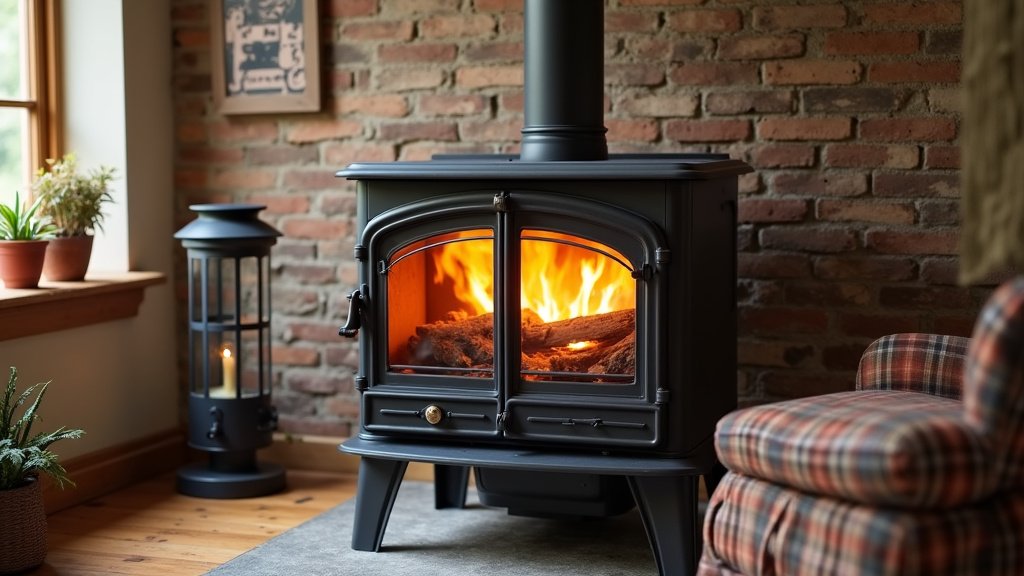
A wood stove is essentially a metal box designed to burn wood efficiently and safely. You load logs into the firebox, light them, and control the burn rate with air vents. The heat radiates into your room. Some models can also be connected to your home’s ductwork for more widespread heat distribution.
Fueling Your Wood Stove
Your primary fuel will be firewood. This can be anything from seasoned hardwoods to softwoods. The availability and cost of firewood can vary greatly depending on your location. If you have access to a local wood supplier or can cut and season your own wood, this can be a very Our guide on the best wood for a wood stove explains how to season your own wood.cost-effective option.
Maintenance and Operation
Wood stoves require more active participation. You’ll need to load wood regularly, often every few hours, depending on the stove and how hot you want it. You also need to clean out the ash frequently. Regular maintenance, like chimney sweeping, is also essential for safety and efficiency. We found that homeowners who don’t mind a bit of physical work often find this process quite satisfying.
Pros and Cons of Wood Stoves
- Pros: Often lower fuel costs, rustic ambiance, independent of electricity (for basic models), can use locally sourced fuel.
- Cons: Requires frequent tending and refueling, manual ash removal, needs regular chimney maintenance, fuel storage can be bulky.
The Modern Convenience of a Pellet Stove
Pellet stoves offer a more modern and automated approach to heating with biomass. They burn compressed wood pellets, which are uniform and easy to handle. If you value convenience and consistent heat with minimal effort, a pellet stove might be your perfect match.
How a Pellet Stove Works
Pellet stoves use electricity to run a hopper, an auger, and a combustion fan. You fill the hopper with wood pellets. The auger then feeds a controlled amount of pellets into the burn pot. A fan blows air to help the pellets ignite and burn, circulating heat into your room. Many models have thermostats that automatically adjust the heat output.
Fueling Your Pellet Stove
The fuel for a pellet stove is wood pellets. These are made from compressed sawdust and wood waste. They come in bags and are relatively clean and easy to store. We found that the price of pellets can fluctuate, but they offer a consistent and readily available fuel source in most areas. Buying in bulk can often lead to savings. For a bag-specific estimate, see our guide to 40-pound pellet burn time.
Maintenance and Operation
Pellet stoves are known for their ease of use. You fill the hopper, set the thermostat, and the stove does the rest. Refueling might be needed once a day or every few days, depending on usage. Cleaning involves emptying an ash pan periodically and occasionally cleaning the burn pot and exhaust. Many experts say the maintenance is less labor-intensive than with a wood stove.
Pros and Cons of Pellet Stoves
- Pros: Easy to operate with automatic feeding and temperature control, cleaner burning, less frequent refueling than wood stoves, readily available fuel.
- Cons: Requires electricity to run, initial purchase cost can be higher, fuel can be more expensive than free firewood, noisy auger mechanism.
Comparing Key Features: Making Your Choice
Now that you know the basics of each, let’s put them side-by-side to help you see which features matter most to you. Think about your daily routine and what you’re looking for in a heating system.
Fuel Storage and Handling
Wood stoves require a significant amount of space for storing firewood. You’ll need a dry, accessible area, often outdoors, for a cord or more of wood. Handling logs can be heavy and messy. Pellet stoves, on the other hand, use bagged pellets. A pallet of pellets takes up less space and is easier to manage indoors or in a dry garage. We found that space constraints can be a deciding factor for many homeowners. For compact homes, see wood stoves for tiny houses.
Ease of Operation and Convenience
If you prefer a “set it and forget it” approach, a pellet stove wins hands down. Its thermostat and automatic feeding mean you can maintain a consistent temperature without constant attention. Wood stoves require more hands-on management. You’ll be loading wood, adjusting vents, and tending the fire. Some people find this a relaxing ritual, while others see it as a chore.
Cost Considerations: Upfront and Ongoing
The initial purchase price of a wood stove can often be lower than a pellet stove. However, the cost of firewood can add up if you aren’t sourcing it yourself. Pellet stoves tend to have a higher upfront cost, but the fuel can be competitively priced, especially if purchased in bulk. Remember to factor in installation costs, which can be similar for both types. We recommend getting quotes for both.
Maintenance and Cleaning Routines
Both stoves require cleaning, but the frequency and nature differ. Wood stoves need ash removed more often, and the chimney must be cleaned annually by a professional to prevent creosote buildup. Pellet stoves have an ash pan that can go longer between cleanings, but they also have internal components that may need occasional attention. Many users report that pellet stove cleaning is less physically demanding.
Environmental Impact and Efficiency
Modern wood stoves and pellet stoves are designed to be highly efficient and burn cleaner than older models. Pellet stoves generally burn cleaner and produce fewer emissions due to their controlled combustion. Wood stoves, when operated correctly with seasoned wood, can also be very environmentally friendly. The EPA sets strict standards for wood stove emissions (Environmental Protection Agency). For help comparing performance, see energy-efficient heating options.
Your Personal Checklist for Choosing
To help you nail down your perfect heating companion, ask yourself these quick questions:
- Do you have ample space for storing firewood or bags of pellets?
- How much time are you willing to dedicate daily to tending a fire?
- Is consistent, set-and-forget temperature control a high priority?
- What is your budget for the initial purchase and ongoing fuel costs?
- Do you prefer the rustic ambiance of a wood fire or the modern efficiency of pellets?
- Are you comfortable with more hands-on cleaning and maintenance?
By honestly answering these, you’ll get a clearer picture of which stove aligns best with your home and lifestyle. Both are excellent choices for efficient, supplemental heat.
Conclusion
Choosing between a wood stove and a pellet stove is a personal decision. We found that your lifestyle, available space, and budget are the biggest factors. If you enjoy the hands-on process and potential for cheaper fuel, a wood stove might be your pick. For ultimate convenience and consistent heat with less effort, a pellet stove often wins. Either way, you’re investing in cozy, efficient home heating. Take a moment to review your priorities, and you’ll confidently select the stove that best fits your home.
Frequently Asked Questions
Can a wood stove be as convenient as a pellet stove?
Generally, no. Wood stoves require more manual work for loading fuel and cleaning. Pellet stoves offer automatic feeding and thermostat control for a more hands-off experience. We found that convenience is the primary differentiator.
How much space do I really need for wood versus pellets?
Wood logs require significant, dry outdoor storage. A cord of wood can take up a substantial area. Pellet stoves use bagged fuel that can be stored more compactly, often in a garage or dry basement. Space availability can be a deciding factor.
Are pellet stoves expensive to run compared to wood stoves?
It depends. If you have access to very cheap or free firewood, a wood stove can be cheaper to fuel. Pellet prices can fluctuate, but they offer a consistent and readily available fuel source. We recommend checking local prices for both options.
What kind of maintenance is different between the two types?
Wood stoves need frequent ash removal and annual chimney cleaning. Pellet stoves have an ash pan that can last longer between cleanings but may require more internal component maintenance. Many users find pellet stove cleaning less physically demanding.
Which type of stove is better for the environment?
Both modern wood and pellet stoves are designed for efficiency and cleaner burning. Pellet stoves generally have more controlled combustion, leading to fewer emissions. Properly operated wood stoves with seasoned wood can also be very eco-friendly. The EPA sets standards for both.