Electric Fireplace Insert vs Gas Insert: Which Is Better? (October 2026)
Choose an electric insert for simpler setup and flame effects without venting; choose gas for a real fuel-burning fire and heat. Your existing fireplace, utility connections and heating needs decide which fits.
On this page (8 sections)
- Electric fireplace insert vs gas insert: what is the main difference?
- Which insert is easier to install?
- How do electric and gas inserts heat a room?
- What does each fuel type need for everyday use?
- Which insert fits an old fireplace?
- Which option is easier to maintain?
- Which electric insert features matter most?
- Which should you choose: electric or gas?
Choose an electric insert for simpler setup and flame effects without venting; choose gas for a real fuel-burning fire and heat. In an electric fireplace insert vs gas insert comparison, start with your existing fireplace, available utilities and whether the insert needs to heat a room or just add ambiance.
Electric models use a plug and can provide flame effects with or without heat. Gas models burn fuel and need a compatible fuel supply and venting plan.
The electric products below are examples of plug-in units. Their heating guidance describes supplemental heat, so don't treat them as substitutes for a home's primary heating system.
 Best for a traditional opening
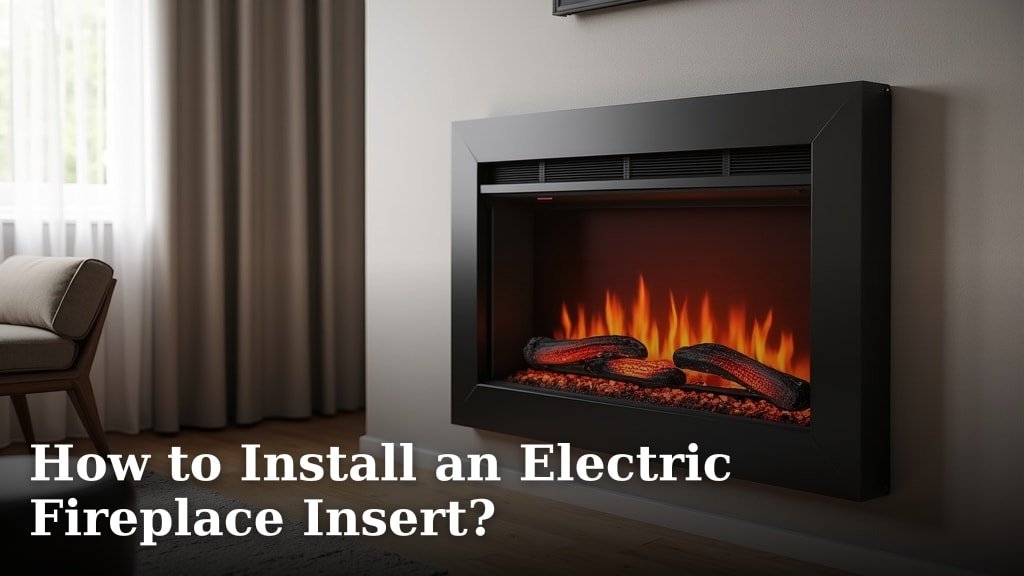
PuraFlame Western Electric Fireplace Insert with Fire
 Best for a wide opening
PuraFlame Western 33" Electric Fireplace Insert
Electric fireplace insert vs gas insert: what is the main difference?
Electric inserts use electricity for flame effects and supplemental heat; gas inserts burn gas and require a fuel connection and venting. The fuel choice affects installation, ongoing use and what kind of fire you see.
An electric insert can be a fit when you want a fireplace effect in an existing opening without adding a gas line. These models use a standard 120 V connection, and their flame settings can operate without heat.
A gas insert is a fit when you want a real gas flame and have a suitable fuel source. The exact venting setup depends on the appliance and home, so have the fireplace assessed before selecting a model.
This comparison focuses on the main tradeoffs. Confirm the specific appliance's manual, clearances and local installation requirements before work begins.
Which insert is easier to install?
Electric is usually the simpler setup when you have a correctly sized opening and outlet. Gas installation requires planning for the fuel connection and approved venting.
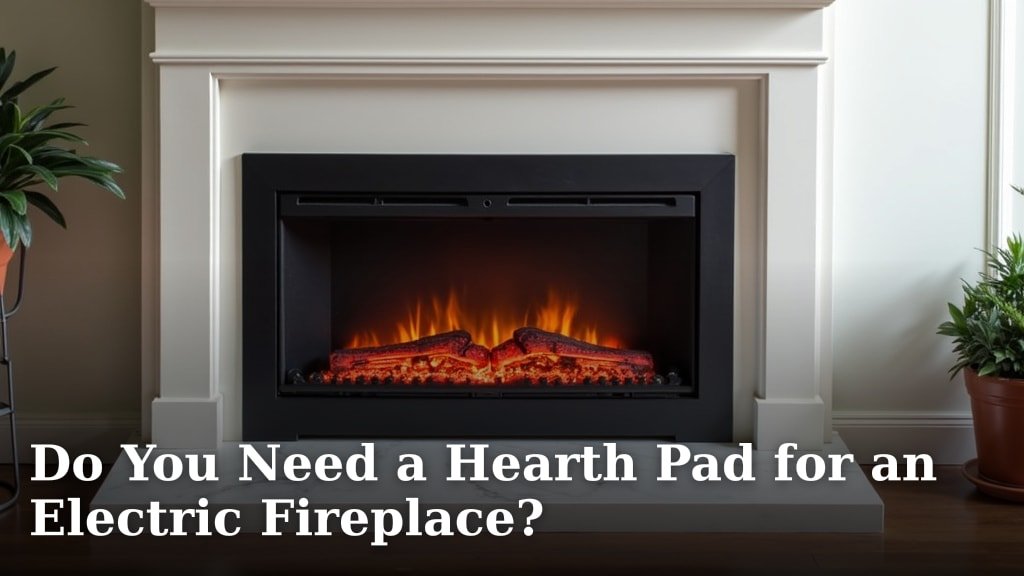
The electric examples here are designed to plug in, and the product information says they cannot be hardwired. A flat-bottom unit may sit on the floor inside an opening, but that doesn't mean every fireplace is ready for one.
Measure the opening at multiple points and compare width, height and depth with the unit's overall dimensions. Check that the cord can reach an appropriate outlet without pinching it or routing it through a hot area.
See how to install an electric fireplace insert for the fit and setup considerations. Follow the exact product manual, particularly where it gives instructions for the old firebox or chimney.
Gas inserts need a qualified installer to inspect the fireplace and plan the fuel and vent connections. Don't assume an existing wood-burning chimney is compatible with a gas appliance without an inspection.
How do electric and gas inserts heat a room?
Electric inserts are a reasonable match for supplemental heat; a gas model may suit stronger heating needs if its rated output fits the room. Compare the exact output figures instead of assuming all inserts heat alike.
The electric models featured here use 750 W or 1500 W settings, and describe coverage up to 400 square feet. Their product information also says they are not primary heat sources.
Gas output varies by model. Check the rated heat output, venting requirements and room-sizing guidance for the unit you're considering, then discuss the installation with a qualified professional.
Room layout and insulation also affect comfort. An open-plan area may not warm evenly from a single insert, even when its stated coverage seems adequate.
What if you mainly want the flame effect?
Electric is a practical option if you want flames without running heat. The PuraFlame models include adjustable flame settings that can operate with or without the heater.
That can be useful in milder weather when you want the look of a fire without adding room heat. A gas appliance may also offer different operating modes, but check its manual for the exact controls and fuel use.
What does each fuel type need for everyday use?
Electric needs a suitable outlet; gas needs a fuel supply and the venting arrangement specified for the appliance. Think about what is already available in the room and what you'll need to maintain.
For electric, confirm the voltage and outlet location. These examples are 120 V plug-in units, and at least some call for the chimney to be blocked when replacing a former wood-burning fire.
For gas, the day-to-day routine depends on the model and household fuel source. Ask the installer how startup, shutdown, service and vent inspections work for the appliance you've chosen.
Electric flame effects can run without heat, which gives you a seasonal decorative option. Gas burns fuel when operating, so consider whether that suits how often you expect to use the fireplace.
Which insert fits an old fireplace?
Electric can work in an old fireplace if the opening, outlet and installation instructions all line up. A gas insert needs a professional check of the firebox, venting and fuel connection.
Measure the opening and note obstructions, nearby trim and the depth available behind the face. Don't rely on the old fireplace's nominal width, since the opening may taper or contain masonry that reduces usable space.
Some electric units are wider than their model name suggests. For example, the PuraFlame Western Electric Fireplace Insert with Fire has overall dimensions of 35 1/16 x 26 31/32 x 8 25/32 inches, so compare the full measurements to your opening.
If your fireplace is wide, see our guide to the best large electric fireplace insert. For a gas option intended for an older hearth, read about the best gas fireplace insert for old fireplaces.
Could a log set work better than an insert?
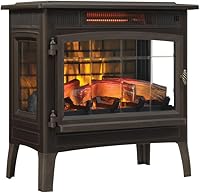
A log set may be a better fit when you want a smaller freestanding electric unit inside an existing fireplace or cabinet. It won't create the same enclosed front as a larger insert.
Our guide to Electric Log Sets vs. Inserts: Which Is Best? explains how the formats differ.
For a tabletop setup, see Best Electric Fireplace Insert For Tabletops.
Which option is easier to maintain?
Electric avoids ash and wood handling, while gas avoids storing firewood but still needs appliance care. Review the manual's cleaning and inspection schedule before buying.
The electric models use LED flame effects and resin logs, so they don't produce wood ash. Keep the glass and surrounding area clean as the manufacturer directs, and don't block ventilation openings.
A gas insert has burners and venting that need inspection and maintenance according to its manual and local rules. Ask the installer what service is recommended and who can perform it.
Neither fuel type removes the need for safe operation. Keep furniture and combustible items at the required clearances, and use the appliance only as directed.
Which electric insert features matter most?
Match the insert's size and heat role to the room before comparing style or controls. A blower can help move heated air, while a larger frame may suit a broad opening.
If you want more heat circulation from an electric model, compare the best electric fireplace insert with blower. Check whether the unit's dimensions, power connection and heating role meet your needs.
For the PuraFlame Western, the stated overall width is 35 1/16 inches and it uses a plug-in connection. The PuraFlame Klaus measures 35.04 inches wide and includes a glass door and mesh screen.
A smaller opening could suit a freestanding unit such as the LegendFlame 23-inch model. Its dimensions are 23 x 20 x 10 inches, and its instructions describe placing it into an opening or cabinet.
Which should you choose: electric or gas?
Choose electric for a plug-in setup, adjustable flame effects and supplemental heat; choose gas when you want a fuel-burning fire and can support its installation. The right option depends on the hearth and your heating goal.
Pick electric when a compatible outlet is available and the insert fits the opening. Pick gas when a qualified installer confirms the fuel supply and venting plan, and the appliance's output fits the space.
If you mainly need dependable room heat, compare each unit's rated output with your heating needs and local climate. The electric products here are explicitly supplemental, so plan a separate primary heat source.
Measure first, confirm installation requirements and choose the fuel type that matches how you'll use the fireplace through the year.
Frequently asked questions
Which is easier to install, an electric or gas fireplace insert?
An electric insert is generally simpler to set up when the opening fits and a suitable outlet is available. The examples here are plug-in units.
Gas inserts require fuel and venting work, so have a qualified professional assess the fireplace, vent path and local requirements before choosing one.
Does an electric fireplace insert heat as well as a gas insert?
They serve different heating needs. The electric models here are described as supplemental heat, not primary heat, and list coverage up to 400 square feet.
Gas performance depends on the exact model and installation, so compare its rated output and sizing guidance with the room.
Can you put an electric insert in an old fireplace?
Often, if the opening dimensions and electrical setup suit the specific unit. Measure width, height and depth, then check the manual and outlet location.
Some electric inserts can sit in an opening, but guidance for a particular model may call for blocking the chimney.
Does a gas insert need a chimney?
A gas insert needs a venting arrangement approved for that model and installation. Existing chimneys may need inspection or a liner, while some appliances use other venting methods.
Ask a qualified installer to assess the fireplace and follow the appliance manual and local codes.