Electric Log Sets vs. Inserts: Which Is Best?
On this page (11 sections)
Electric log sets are realistic-looking artificial logs with built-in heating elements and flames, while inserts are complete fireplace units that fit into existing openings.
Most homeowners choose electric log sets for quick upgrades and inserts for full heating solutions with better efficiency.
What Are Electric Log Sets?
Think of electric log sets as the simple solution. You get fake logs that look real, plus flames that dance like the real thing. They plug into your wall and sit right in your existing fireplace.
The logs contain heating coils and LED lights. When you turn them on, they warm your room and create a cozy glow. No chimney cleaning needed.
How Electric Log Sets Work
The process is pretty straightforward. Electric coils heat up when you flip the switch. LED lights create flame effects that flicker and move.
Most units let you control heat and flames separately. Want the look without the warmth? You got it. Need heat without the light show? That works too.
Installation Requirements
You need three things: a standard electrical outlet, a fireplace opening, and about 30 minutes. That’s it.
Just place the logs in your fireplace and plug them in. No special wiring or professional installation required.
What Are Electric Fireplace Inserts?
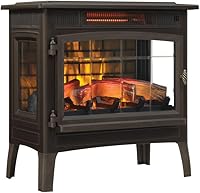
Electric inserts are complete fireplace replacements. They slide into your existing fireplace opening like a puzzle piece. You get the whole package – surround, firebox, heating system, and controls.
These units transform your old fireplace into a modern heating appliance. They’re bigger, more powerful, and way more realistic than log sets.
Insert Components and Features
Most inserts include a metal firebox, realistic logs or crystals, and advanced flame technology. Many have remote controls and smartphone apps too.
The heating systems are stronger than log sets. We’re talking 4,000 to 5,000 BTUs instead of 1,500 BTUs.
Professional vs. DIY Installation
Some inserts need professional installation. Others slide right in like log sets. Check the specs before you buy.
Professional installation usually costs $200 to $500 extra. But you get proper fitting and warranty protection.
Key Differences Between Log Sets and Inserts
Let me break down the main differences so you can see what matters most for your home.
Size and Footprint
Log sets sit inside your existing fireplace. They don’t change the look of your mantel or surround. Inserts fill the entire opening and often extend out a few inches.
If you love your current fireplace look, log sets keep it unchanged. Want a complete makeover? Inserts give you that fresh start.
Heating Capacity
Here’s where inserts really shine. Most log sets heat 200 to 400 square feet. Inserts can warm 600 to 1,000 square feet easily.
From what I read, inserts produce 2 to 3 times more heat than log sets. That’s the difference between cozy ambiance and real room heating.
Visual Realism
Both look good, but inserts usually win the realism contest. They have bigger flame displays and more advanced technology.
Log sets focus on the logs themselves. Inserts create entire fire scenes with glowing embers, crackling sounds, and multi-colored flames.
Flame Technology Comparison
Log sets use basic LED strips. Inserts often have 3D flame technology with multiple layers and realistic movement patterns.
Some premium inserts even project flames onto the back wall. It’s like watching a real fire burn.
Cost Analysis
Money talks, so let’s talk numbers. Your budget might make this decision for you.
Upfront Purchase Costs
Electric log sets cost $150 to $800 for decent quality. Inserts run $500 to $3,000 depending on features and size.
You can get a good log set for under $400. A comparable insert starts around $800. That’s double the entry cost.
Installation Expenses
Log sets cost nothing extra to install. Inserts might need professional help at $200 to $500.
Some inserts require electrical upgrades too. That adds another $300 to $800 if your outlet situation isn’t ideal.
Long-term Operating Costs
Both use similar electricity per hour of operation. Inserts cost more to run simply because they’re more powerful.
A log set uses about as much power as a space heater. An insert uses 2 to 3 times that amount. But you get way more heat output.
Performance Comparison
| Feature | Electric Log Sets | Electric Inserts |
|---|---|---|
| Heat Output | 1,500 BTU | 4,000-5,000 BTU |
| Room Coverage | 200-400 sq ft | 600-1,000 sq ft |
| Installation Time | 30 minutes | 2-4 hours |
| Price Range | $150-$800 | $500-$3,000 |
When to Choose Electric Log Sets
Log sets work best in specific situations. Here’s when they make the most sense.
Budget-Conscious Buyers
If you want fireplace ambiance without breaking the bank, log sets deliver. You get 80% of the experience for 50% of the cost.
They’re perfect for rental properties too. Easy to install, easy to remove when you move.
Minimal Heating Needs
Live in a mild climate? Just want to take the chill off occasionally? Log sets provide enough warmth for small spaces and light heating needs.
They work great as supplemental heat in bedrooms or reading nooks. Not meant to heat your whole house though.
Aesthetic-Focused Users
Some people care more about the look than the heat. Log sets create beautiful ambiance for romantic dinners and cozy evenings.
You can run the flames without heat in summer. Try doing that with a real fireplace.
When to Choose Electric Inserts
Inserts make sense when you need serious performance and don’t mind paying for it.
Primary Heating Source
Want to actually heat your living room? Inserts deliver real warmth that makes a difference on your heating bill.
Many experts say electric inserts can replace or supplement your main heating system. Log sets can’t do that.
Large Room Applications
Got a big family room or open floor plan? You need an insert’s power to feel any warmth beyond the first few feet.
Log sets get lost in large spaces. Inserts command attention and deliver results.
Entertainment and Hosting
Inserts create wow factor when friends come over. The flame displays are bigger, brighter, and more impressive.
Many come with sound effects too. Nothing beats crackling fire sounds during holiday gatherings.
Maintenance and Lifespan
Both options are pretty low-maintenance compared to wood or gas fireplaces. But there are some differences.
Cleaning Requirements
Log sets just need occasional dusting. The logs collect dust like any decoration. A soft cloth takes care of it.
Inserts have more surfaces to clean. You’ll dust the surround, glass front, and controls regularly. Still easier than cleaning a chimney though.
Durability Expectations
Good log sets last 5 to 10 years with normal use. Inserts often last 10 to 15 years because they’re built more robustly.
The heating elements eventually wear out in both. But inserts usually have replaceable parts while log sets are throwaway units.
Safety Considerations
Both options are much safer than real fires. But you still need to know the basics.
Electrical Safety
Make sure your outlet can handle the power draw. Most log sets need standard 15-amp circuits. Some inserts need 20-amp service.
Never use extension cords with either option. The power draw is too high and creates fire risks.
Child and Pet Safety
The heating surfaces get warm but not dangerously hot. Still, keep little hands and paws away from the heating vents.
Most units have safety shutoffs if they overheat. Inserts often have better safety features than budget log sets.
Making Your Final Decision
Here’s how to choose based on what matters most to you.
Quick Decision Framework
Ask yourself three questions: What’s your budget? How much heat do you need? How important is easy installation?
Budget under $500 and want simple? Get log sets. Budget over $800 and need real heat? Get an insert.
Compromise Solutions
Can’t decide? Some mid-range log sets offer better heating than basic models. Some compact inserts cost less than full-size units.
You might find a sweet spot that gives you most of what you want without the full expense.
Conclusion
Electric log sets win for simplicity, budget-friendliness, and quick installation. They’re perfect for light heating and ambiance in smaller rooms. Electric inserts take the crown for serious heating power, larger spaces, and impressive visual displays.
Your choice comes down to needs versus budget. Want to dip your toe in the electric fireplace world? Start with log sets. Ready to transform your room into a cozy heating powerhouse? Go with inserts. Either way, you’ll enjoy the convenience and safety of electric over traditional wood or gas options.
What’s the main advantage of electric log sets over inserts?
Electric log sets cost much less and install in minutes without any professional help. You simply place them in your existing fireplace and plug them into a standard outlet. They’re perfect for renters or anyone wanting quick, affordable fireplace ambiance.
Can electric inserts really heat a whole room effectively?
Yes, quality electric inserts can heat 600 to 1,000 square feet effectively. They produce 4,000 to 5,000 BTUs, which is enough to serve as supplemental heating for most living rooms. However, they work best for zone heating rather than whole-house heating.
Do you need special electrical work for either option?
Most log sets work with standard household outlets, but some powerful inserts need 20-amp circuits instead of typical 15-amp service. Check your unit’s requirements before buying. Simple electrical upgrades usually cost $300 to $800 if needed.
Which option looks more realistic?
Electric inserts generally look more realistic because they have larger flame displays, 3D technology, and complete fire scenes. Log sets focus mainly on realistic-looking logs with simpler flame effects. Both beat old-fashioned fake logs, but inserts create more convincing fire experiences.
How long do these electric fireplaces typically last?
Electric log sets usually last 5 to 10 years with regular use, while inserts often last 10 to 15 years due to better construction. The heating elements are the most likely parts to wear out. Inserts often have replaceable components, while log sets are typically replaced entirely when they fail.