Can You Convert a Gas Fireplace to Wood Burning?
On this page (7 sections)
Thinking about swapping your gas fireplace for a wood-burning one? You absolutely can convert a gas fireplace to wood burning, but it’s not a simple DIY swap. It requires a significant structural overhaul and adherence to strict safety codes. You’ll essentially be building a new fireplace insert inside your existing gas one.
This transformation involves adding a wood-burning firebox, often a metal or masonry one. You’ll also need a proper chimney system or an existing one that can be safely adapted. Many homeowners dream of that classic wood fire crackle and scent. This process can make that dream a reality, but it needs careful planning and professional execution to ensure it’s safe and efficient.
- Converting gas to wood is possible.
- It requires building a new firebox.
- A safe chimney system is essential.
- Professional installation is highly recommended.
- It’s a major renovation, not a quick fix.
Below, we’ll walk you through exactly what’s involved in converting your gas fireplace to a wood-burning one, from the initial assessment to the final finishing touches.
You’re dreaming of cozy evenings by a crackling fire, the smell of burning wood filling your home. Your current gas fireplace just doesn’t offer that same ambiance. The good news? You absolutely can make the switch. If you are considering the reverse project, read our guide to converting a fireplace to gas. Converting a gas fireplace to a wood-burning one is a popular renovation. It’s more involved than simply changing a log set. You’re essentially building a new fireplace within your existing structure. This guide will walk you through what’s involved.
Making the Switch: Gas to Wood Fireplace Conversion
Yes, you can convert your gas fireplace to a wood-burning unit. It’s a substantial project. It requires a new firebox and often a modified or entirely new chimney system. Safety is the top priority throughout this process. You’ll need to consult with professionals to ensure compliance with building codes. Compliance with local building codes is essential for safety and legality; our guide explains permit requirements.
Assessing Your Current Fireplace and Chimney
Before you even think about demolition, you need to assess your existing setup. Not all gas fireplaces can be easily converted. Your chimney is the most critical component. If you don’t have a chimney, you’ll need to install one, which is a major construction undertaking. If you do have one, its condition is key.
Chimney Suitability for Wood Burning
Wood-burning fireplaces produce much hotter temperatures and different types of emissions than gas units. Your existing gas fireplace likely uses a vent or a smaller flue. This is usually not sufficient for a wood-burning fire. Most gas fireplaces use a direct vent or B-vent system. These are designed for lower heat and different gas byproducts. They cannot handle the intense heat and creosote produced by burning wood. A proper masonry or a Class A insulated metal chimney is essential for safety.
- Existing gas vent systems are generally inadequate.
- Wood fires produce higher temperatures.
- Creosote buildup is a serious fire hazard with wood.
- A dedicated, properly sized chimney is required.
Structural Integrity of Your Fireplace Opening
The opening where your gas fireplace is currently installed needs to be assessed. It must be able to safely house a new, wood-burning firebox. Firebrick and proper insulation are critical for safety. We found that many older homes might have existing masonry structures that can be repurposed. However, a thorough inspection by a qualified professional is always necessary. They’ll check for structural soundness and potential issues.
The Conversion Process: Step-by-Step
Converting your fireplace involves several key stages. Think of it as building a new fireplace inside your old one. The gas components will be removed. Then, the new wood-burning elements are installed. This requires careful planning and execution.
Removing the Gas Fireplace Components
The first physical step is to safely remove all existing gas components. This includes the gas line, burner, logs, and any venting specifically for the gas unit. It’s important that this is done by a certified professional. They will ensure the gas line is properly capped and sealed. This prevents any leaks or safety hazards. Improper removal can lead to dangerous situations.
Installing the New Wood-Burning Firebox
This is where the heart of the conversion happens. You have two main options for a new firebox: metal inserts or masonry construction. Installing a new firebox is a core part of the conversion; learn how to install a fireplace insert with our guide.
Metal Firebox Inserts
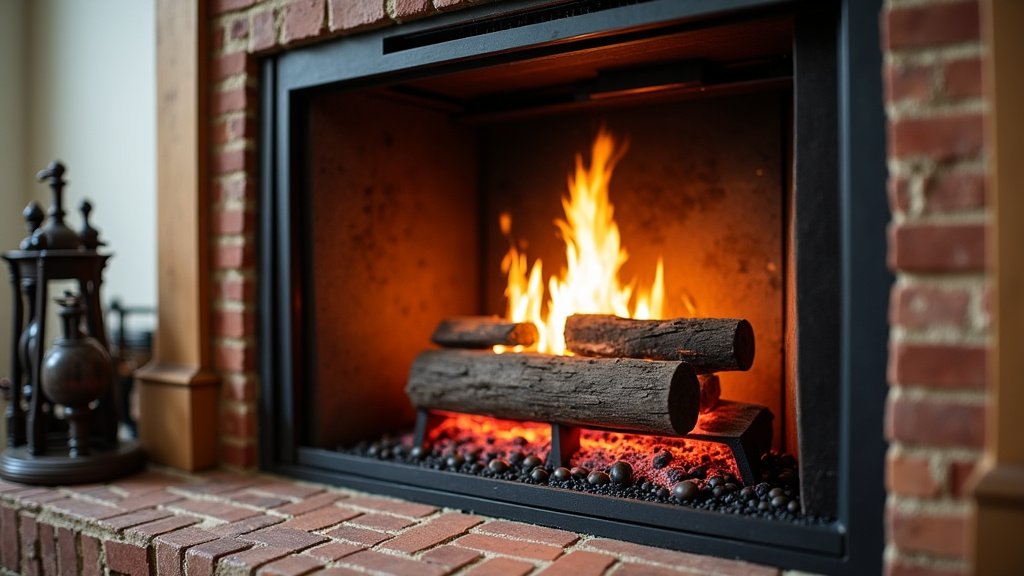
A popular choice is a prefabricated metal firebox. These are designed specifically for wood burning. They are built to withstand high temperatures and are tested for safety. You’ll select a firebox that fits the dimensions of your existing opening, or one that can be safely installed within it. These inserts often come with their own firebrick lining. Many experts suggest these are a good balance of cost and efficiency for conversions.
Masonry Firebox Construction
Another option is to build a new masonry firebox. This involves skilled bricklayers constructing a new firebox using fire-rated bricks and mortar. This method offers a more traditional and often more durable fireplace. However, it is typically more expensive and time-consuming than installing a metal insert. We found that this option is often preferred for aesthetic reasons or when a larger firebox is desired.
Connecting to the Chimney System
Once the new firebox is in place, it needs to be safely connected to the chimney. If you are using a metal firebox insert, it will likely come with a specific flue connection. This flue needs to be properly sized and sealed to the chimney liner.
Lining the Chimney
If your existing chimney is not suitable for wood burning, it will need to be properly lined. A stainless steel chimney liner is commonly installed. This liner runs from the firebox up through the existing chimney structure. It provides a smooth, continuous path for smoke and gases. It also protects the chimney structure from heat and creosote. Many codes require a liner of a specific diameter for wood-burning applications (National Fire Protection Association).
Damper Installation or Modification
A damper is essential for controlling airflow and preventing heat loss when the fireplace is not in use. If your existing setup had a gas damper, it will need to be replaced. A proper wood-burning damper will be installed. This ensures you can control the draft effectively. You’ll also want to ensure it seals tightly to prevent drafts when closed. We found that a correctly functioning damper is key to energy efficiency.
Building Codes and Professional Installation
This is not a project for the faint of heart or the inexperienced DIYer. Building codes are strict for wood-burning fireplaces. These codes exist to prevent fires and ensure proper ventilation. You will likely need permits for this type of renovation. Working with certified professionals is highly recommended.
Why You Need a Professional
A qualified fireplace technician or contractor will have the knowledge to assess your situation. They understand the latest safety standards. They can ensure the correct materials are used. They also handle necessary inspections and permits. For example, the National Fire Protection Association (NFPA) provides extensive guidelines for fireplace and chimney safety. A professional ensures your installation meets these standards.
Permitting and Inspections
Most municipalities require permits for fireplace modifications. This often includes an inspection of the work done. You’ll want to ensure your installer handles all the necessary paperwork. Passing these inspections means your new fireplace is safe for use. It also ensures your home insurance policy remains valid. We found that cutting corners on permits can lead to costly problems later.
Finishing Touches and Safety Considerations
Once the structural conversion is complete, you’ll need to think about the aesthetics and ongoing safety. The visual appeal of your new fireplace is important. But safety is always the top concern.
Installing a Hearth and Surround
Wood-burning fireplaces require a non-combustible hearth. This extends at least 16 inches in front of the opening. It also extends at least 8 inches to each side. The hearth material can be brick, stone, tile, or concrete. The surround, the area around the opening, should also be made of non-combustible materials. Your contractor can help you choose materials that match your home’s decor.
Clearances to Combustibles
Building codes specify minimum clearances between the fireplace and any combustible materials. This includes walls, framing, and furniture. These clearances are critical for fire prevention. Your new firebox and chimney system must be installed with these clearances in mind. Always double-check with your installer and local codes. We found that proper clearances are a non-negotiable safety feature.
The First Fire: A Checklist
After installation, you’ll be eager to light your first fire. But there are a few things to do first. Here’s a quick checklist:
- Ensure all permits are closed and final inspections are passed.
- Familiarize yourself with your new damper operation.
- Know the clearances to combustible materials around your fireplace.
- Have a fire extinguisher readily accessible.
- Burn small test fires first to cure the materials and check the draft.
- Keep the area around the fireplace clear of flammable items.
Converting your gas fireplace to wood burning is a rewarding renovation. It transforms your home’s ambiance. But it demands a serious commitment to safety and professional execution. By understanding the process, you can approach this project with confidence. Your dream of a classic wood fire is within reach!
Conclusion
Converting your gas fireplace to a wood-burning one is absolutely achievable, but it’s a substantial project. You’re essentially building a new fireplace system. Remember, safety is the absolute priority. This means ensuring you have a proper chimney and firebox, and that all installations meet strict building codes. We found that working with experienced professionals is the key to a safe and satisfying conversion. If you’re ready to bring that classic wood fire ambiance into your home, your next step is to contact a qualified fireplace professional for an on-site assessment.
Frequently Asked Questions
Will converting my gas fireplace to wood burning void my home insurance?
Typically, converting your fireplace to wood burning will not automatically void your insurance. However, it’s essential to inform your insurance provider about the renovation. They may require proof of proper permits and inspections to ensure the work was done to code.
Can I reuse my existing gas fireplace’s chimney?
In most cases, you cannot reuse the venting system designed for a gas fireplace for a wood-burning unit. Gas vents are not built to withstand the higher temperatures and creosote produced by wood fires. You will almost certainly need a new, properly lined chimney system suitable for wood burning.
How much does it typically cost to convert a gas fireplace to wood burning?
The cost can vary widely depending on your existing setup, the type of firebox you choose (metal insert vs. masonry), and chimney requirements. We found that a conversion can range anywhere from $3,000 to $10,000 or even more for extensive masonry work or new chimney construction.
Is it safe to burn wood in a fireplace that was originally designed for gas?
It is not safe to burn wood in a fireplace originally designed for gas without a full conversion. The components and venting are fundamentally different and cannot handle the heat and byproducts of wood combustion, posing a serious fire risk.
What are the biggest safety concerns with this type of conversion?
The primary safety concerns revolve around ensuring proper clearances to combustible materials, correct chimney construction and lining to prevent fires and carbon monoxide buildup, and installing a functional damper. Following building codes and using qualified professionals minimizes these risks.