Can You Use a Wood Stove to Heat a Garage Workshop?
On this page (10 sections)
- Heating Your Garage Workshop With a Wood Stove: A Practical Guide
- Why Consider a Wood Stove for Your Workshop?
- Safety First: Understanding the Risks
- Choosing the Right Wood Stove for Your Garage
- Fueling Your Wood Stove Safely
- Essential Safety Checklist
- Is it Legal to Heat a Garage with a Wood Stove?
- Alternative and Supplemental Heating Options
- Conclusion
- Frequently Asked Questions
Yes, you absolutely can use a wood stove to heat your garage workshop, but it requires careful planning and proper installation. Many DIYers find it a great way to keep their workspace cozy, even in the coldest months. Just be sure you understand the safety precautions involved.
Heating a garage with a wood stove involves more than just placing a stove inside. You’ll need to consider factors like ventilation, chimney requirements, and the type of stove that’s best suited for your space. Research shows that a properly vented stove is key to preventing dangerous carbon monoxide buildup.
- Wood stoves can effectively heat garage workshops.
- Proper ventilation and chimney installation are essential for safety.
- Choose a stove designed for the space you need to heat.
- Always follow local building codes and manufacturer guidelines.
Let’s walk through the details to help you decide if a wood stove is the right heating solution for your garage workshop.
Heating Your Garage Workshop With a Wood Stove: A Practical Guide
Yes, a wood stove can be a fantastic way to keep your garage workshop toasty warm. It’s a popular choice for many DIY enthusiasts. You can turn that chilly space into a comfortable haven for your projects. This guide will walk you through what you need to know to do it safely and effectively.
Why Consider a Wood Stove for Your Workshop?
Many people find wood stoves to be a cost-effective heating solution. If you have access to a good wood supply, your fuel costs can be quite low. Plus, there’s a certain rustic charm and satisfying warmth that a wood stove provides. It’s more than just heat; it’s an atmosphere. You can also dry out damp workshop spaces.
Beyond the savings, wood stoves offer a different kind of heat. It’s a radiant heat that many people find more comfortable than forced air. It’s a reliable heat source, especially if you live in an area with frequent power outages. Imagine working on your projects without freezing your fingers off!
Safety First: Understanding the Risks
While wood stoves are great, safety is absolutely non-negotiable. Improper installation or use can lead to serious hazards. The biggest concerns are fire and carbon monoxide poisoning. You need to be aware of these risks before you even think about bringing a stove into your garage.
Carbon monoxide (CO) is a colorless, odorless gas produced by burning fuel. It can be deadly. You must have a working carbon monoxide detector. Fire safety is also critical. You need to ensure the stove and chimney are installed correctly to prevent any chance of a fire spreading. Many guidelines from fire safety organizations stress the importance of clearance from combustible materials (National Fire Protection Association).
Fire Prevention Strategies
Keeping your workshop safe from fire involves several key steps. First, you need to make sure your wood stove is certified for safety. Look for stoves that meet current safety standards. This ensures they are built to handle the heat and operate efficiently without posing an immediate risk.
Next, consider the placement of the stove. It needs a non-combustible hearth pad. This could be concrete, brick, or stone. The stove must also be a safe distance from any flammable materials. This includes walls, stored items, and even sawdust. Manufacturers’ instructions will specify these minimum clearances. Always follow them strictly.
Clearance Requirements
The distance between your stove and combustible surfaces is crucial. This applies to the sides, back, and front of the stove. It also includes the stovepipe and chimney. Typical clearances can range from 12 inches to over 36 inches, depending on the stove model and any heat shields you might use. Never guess these distances. Consult your stove’s manual and local building codes.
You might consider using heat shields. These can reduce the required clearances. They are often made of metal or ceramic materials. They create an air gap or reflective surface to protect walls and floors. Ensure any shielding you install is properly vented itself. This allows air to circulate and prevent heat buildup behind the shield.
Carbon Monoxide Detection and Ventilation
This is where many people get into trouble. A poorly ventilated space can quickly fill with dangerous CO gas. You need a proper chimney system to vent exhaust gases outside. This chimney must be installed correctly and maintained regularly. A damaged or blocked chimney can send fumes back into your workshop.
A carbon monoxide detector is an absolute must-have. Install one near where you’ll be working and sleeping, if applicable. Test it regularly. We found that many experts recommend having at least one CO detector per level of your home and workshop. A battery backup is a good idea.
Proper ventilation also means ensuring your stove gets enough air to burn efficiently. This is called combustion air. Sometimes, a wood stove can draw air out of the workshop. This can create negative pressure. If you have other exhaust fans running, this issue can be worse. Some stoves have an outside air kit. This provides combustion air directly from outdoors.
Choosing the Right Wood Stove for Your Garage
Not all wood stoves are created equal. Compare pellet stoves designed for workshops as another heating option. When heating a garage, compare pellet stoves for garages and consider the specific needs of that space. Garages are often less insulated than homes. They can be larger and have higher ceilings. This means you might need a more powerful stove than you’d think.
Look for wood stoves rated for the square footage of your garage. It’s better to have a stove that can run at a lower, more efficient output than one that’s constantly working too hard. An oversized stove can lead to over-firing. This is dangerous and can damage the stove. It also produces more creosote, which is a fire hazard in the chimney.
Stove Types and Features
For garages, you’ll likely be looking at wood-burning stoves. Some models are designed specifically for workshops or outbuildings. These might have features like larger fireboxes or a more robust construction. They are often built to withstand more frequent use.
Consider the efficiency rating of the stove. Newer models are much more efficient than older ones. This means they burn more wood and produce more heat from less fuel. They also produce fewer emissions. Look for EPA-certified stoves. These meet strict environmental standards for efficiency and emissions (U.S. Environmental Protection Agency).
Stovepipe and Chimney Installation
This is arguably the most critical part of the installation. You’ll need a proper chimney system. This typically includes stovepipe (the vertical pipe connected to the stove) and a chimney (the pipe that goes through the wall or roof and extends above it).
The stovepipe connects the stove to the chimney. It should be the correct diameter for your stove. It’s usually made of single-wall or double-wall pipe. Double-wall pipe offers better insulation and safety. All stovepipe connections should be sealed with high-temperature sealant. They also need to be secured with screws.
Through-the-Wall vs. Through-the-Roof
You have two main options for venting your stove. You can vent it through the wall or through the roof. Through-the-wall installations require a special insulated chimney system. This system is designed to maintain safe temperatures as it passes through the wall and any combustible materials. You’ll need wall thimbles to ensure proper clearance.
Venting through the roof is often considered safer. This is because the chimney runs vertically, which is best for draft. It also keeps the heat and exhaust further away from your workshop’s structure. You’ll need a roof flashing kit. This seals the gap where the chimney passes through the roof. It prevents leaks. Both methods require careful attention to clearances and fire stops.
Fueling Your Wood Stove Safely
What you burn in your wood stove matters. You should only burn seasoned firewood. This means wood that has been dried for at least six months, ideally longer. Wet or unseasoned wood burns poorly. It produces a lot of smoke and creosote. Creosote buildup in the chimney is a major fire hazard.
Never burn treated lumber, trash, or anything other than natural wood. These materials can release toxic fumes. They can also damage your stove and chimney. Keep a good supply of dry wood close to your workshop, but not so close that it poses a fire risk. A good rule of thumb is to store only enough wood for a day or two within the workshop itself.
Essential Safety Checklist
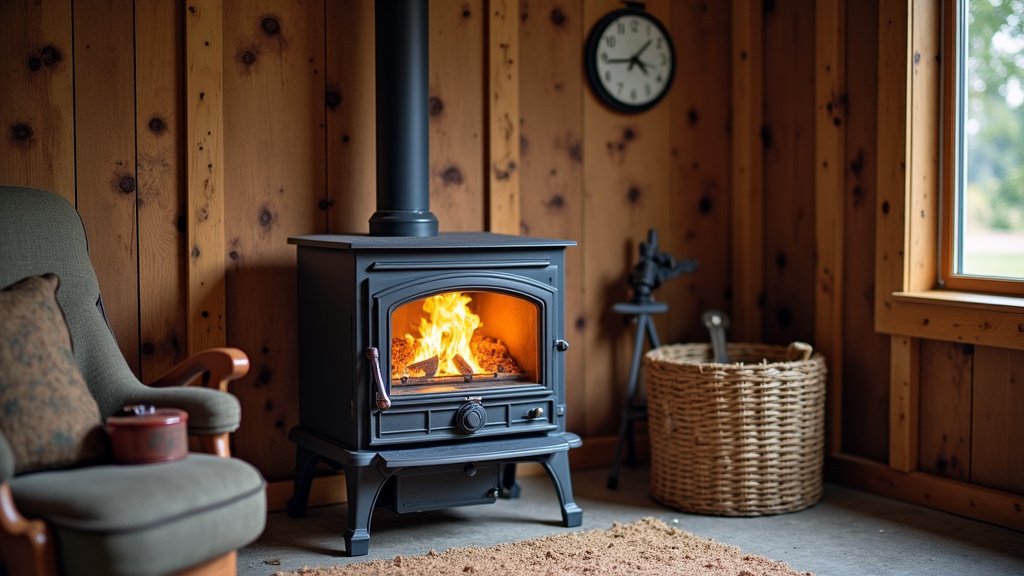
Before you light your first fire, run through this quick checklist:
- Have you checked and followed all local building codes and permits?
- Is your stove professionally installed or has it been inspected by a qualified professional?
- Do you have a carbon monoxide detector installed and tested?
- Is the stove on a proper hearth pad with adequate clearance from all combustible materials?
- Is your chimney system properly installed, sealed, and inspected for creosote buildup?
- Do you have a fire extinguisher rated for Class A fires readily accessible?
Is it Legal to Heat a Garage with a Wood Stove?
This is a common question, and the answer often depends on where you live. Many areas have specific building codes and regulations regarding wood stove installations, even in detached garages. Some municipalities might have restrictions on the types of stoves allowed or require permits for installation.
It’s crucial to contact your local building department or fire marshal. They can provide information on specific requirements. Ignoring these regulations can lead to fines or, worse, unsafe conditions. We found that many DIYers overlook this step, but it’s vital for peace of mind and safety (U.S. Fire Administration).
Alternative and Supplemental Heating Options
While a wood stove can be a primary heat source, you might also consider other ways to heat a garage. Sometimes, a wood stove is best used to supplement a heat pump. This can help reduce overall heating costs.
For example, you could use an electric heater for quick bursts of heat when you’re just popping into the workshop for a short time. A propane heater is another option, but ensure it’s rated for indoor use and has proper ventilation. A small, energy-efficient electric baseboard heater can provide consistent, low-level heat.
Consider the insulation in your garage. A well-insulated garage will retain heat much better. This means your wood stove won’t have to work as hard. Adding insulation to the walls, ceiling, and even the garage door can make a big difference. You might find that with good insulation, a smaller wood stove or even a different heating method becomes more practical.
Conclusion
Heating your garage workshop with a wood stove is certainly achievable and can be a rewarding experience. You’ve learned that safety, proper ventilation, and correct installation are the cornerstones of this heating method. Choosing the right stove for your space and understanding fuel requirements are also key. Always remember to check local codes and prioritize fire and CO safety. Ready to start? Your next step is to consult your local building department and then carefully select a certified wood stove and installation system that meets all safety standards for your workshop.
Frequently Asked Questions
How much space do I need around a wood stove in my garage?
You need to maintain specific clearances between your wood stove and any combustible materials. These distances are critical for fire prevention and are typically detailed in the stove’s manual and local building codes. Using heat shields can sometimes reduce these required clearances.
What’s the biggest risk when using a wood stove in a garage?
The biggest risks are fire and carbon monoxide poisoning. Improper installation, lack of ventilation, or inadequate clearances can lead to fires or dangerous CO buildup. Always install a carbon monoxide detector and follow all safety guidelines meticulously.
Can I use a regular home wood stove in my garage?
While many home wood stoves can be adapted, some are better suited for garage workshops. Look for stoves rated for the square footage of your garage and consider durability for frequent use. Always ensure the stove is certified for safety and installed according to manufacturer and code requirements.
How do I know if my wood stove chimney is installed correctly?
Proper chimney installation is vital for venting exhaust safely. It involves correct clearances, secure connections, and extending above the roofline. Researching or hiring a certified professional for installation and regular inspections for creosote buildup are the best ways to ensure it’s done correctly.
What kind of wood should I burn in my garage wood stove?
You should only burn seasoned firewood, which has been dried for at least six months. Burning wet or unseasoned wood creates excessive smoke and creosote, a major fire hazard in the chimney. Never burn treated wood, trash, or anything other than natural wood.