Can You Put a Wood Stove in a Garage?
On this page (7 sections)
Yes, you can wood stoves for garages, but it’s not as simple as just setting one up. You must follow strict safety codes and installation guidelines to prevent fires and carbon monoxide poisoning. Proper ventilation and clearances are absolutely essential for safely heating your garage with a wood stove.
Many homeowners consider a garage wood stove for extra workspace warmth or as a DIY heating solution. We found that while it’s a popular idea, understanding the legal requirements and safety precautions is key. A poorly installed stove can be very dangerous, so doing your homework is vital.
- You can install a wood stove in a garage.
- Safety codes are non-negotiable for installation.
- Ventilation and clearances are critical.
- Check local building regulations first.
- Carbon monoxide detectors are a must.
Let’s break down exactly what you need to know about putting a wood stove in your garage safely and legally.
Heating Your Garage Safely With a Wood Stove
Yes, you can put a wood stove in a garage! It’s a great way to add warmth for a workshop or extra storage space. However, it’s not a simple DIY project without some serious homework. Safety is the number one priority here. We’ve found that many people overlook the critical steps needed to make this a safe and legal setup.
Understanding the Rules and Regulations
Before you even think about buying a stove, you need to understand the rules. Building codes are in place to protect you and your property. Ignoring them can lead to serious danger. We found that local building departments are your best starting point for this information.
Local Building Codes are Key
Every town and city has its own rules. These codes cover everything from stove placement to chimney height. Garages often present unique challenges. They might not be built to the same standards as your home. Your local fire marshal or building inspector can tell you exactly what’s required.
National Fire Protection Association (NFPA) Standards
The NFPA provides guidelines that many local codes are based on. For example, NFPA 211 is a standard for chimneys, fireplaces, vents, and solid fuel-burning appliances. These standards cover proper clearances to combustible materials. They also dictate chimney requirements and stove clearances. Researching these standards can give you a head start.
Essential Safety Features for Garage Wood Stoves
garage wood stove installation requires careful planning for safety. This isn’t just about the stove itself. It’s about creating a safe environment around it. We found that attention to detail is absolutely critical in preventing accidents.
Proper Clearances are Non-Negotiable
This is perhaps the most critical safety aspect. You need a specific amount of space between the stove and any flammable materials. This includes walls, furniture, and even stored items. The stove manufacturer’s manual will provide exact measurements. Always follow these manufacturer guidelines. They are usually based on NFPA standards. For example, there’s typically a clearance requirement for the stove’s top, sides, and rear.
Floor Protection
The floor beneath your wood stove needs protection. It must be non-combustible. This could be a thick layer of mortar, brick, or a special hearth pad. The material must extend a certain distance in front of the stove. This protects your floor from stray embers. Check local codes and manufacturer specs for the required dimensions.
Wall Protection
If your stove is close to a combustible wall, you’ll need protection. This often means installing heat shields. These shields are typically made of metal or masonry board. They create an air gap between the wall and the stove. This air gap allows heat to dissipate. We found that many people underestimate how much heat a stove radiates. Proper wall protection is vital for fire prevention.
Ventilation is Extremely Important
A wood stove needs air to burn efficiently. It also needs a way to vent smoke and dangerous gases outside. Garages often lack the natural ventilation found in homes. This makes proper venting even more important. Carbon monoxide (CO) is a silent killer, and it’s a byproduct of burning wood.
Chimney and Vent Pipe Requirements
You’ll need a properly installed chimney or vent pipe system. This system must be rated for solid fuel appliances. It needs to extend above your roofline. This ensures that smoke and CO gases are carried away from your home and neighbors. The pipe must be installed with the correct clearances to combustible materials. Single-wall stovepipe is for connecting the stove to the chimney. Double-wall or triple-wall insulated chimney pipe is used for passing through walls and ceilings. Always use UL-listed components.
Fresh Air Intake
Modern, well-sealed garages can be too airtight for a wood stove. Without enough air, the stove won’t burn properly. You might also get smoke backing up into the garage. Many experts recommend installing a dedicated fresh air intake. This brings outside air directly to the stove. This ensures it has the oxygen it needs to burn cleanly and safely. This is especially important if your garage is insulated or has an automatic garage door that seals tightly. Many experts recommend installing a dedicated fresh air intake to ensure the stove has enough oxygen.
Carbon Monoxide Detectors are Essential
Even with perfect installation, there’s always a small risk of CO. This is why installing carbon monoxide detectors is absolutely mandatory. You need them inside the garage itself. You also need them in any living space connected to the garage. Test them regularly. Replace batteries as needed. We found that many home safety checklists always include CO detectors.
Choosing the Right Wood Stove for Your Garage
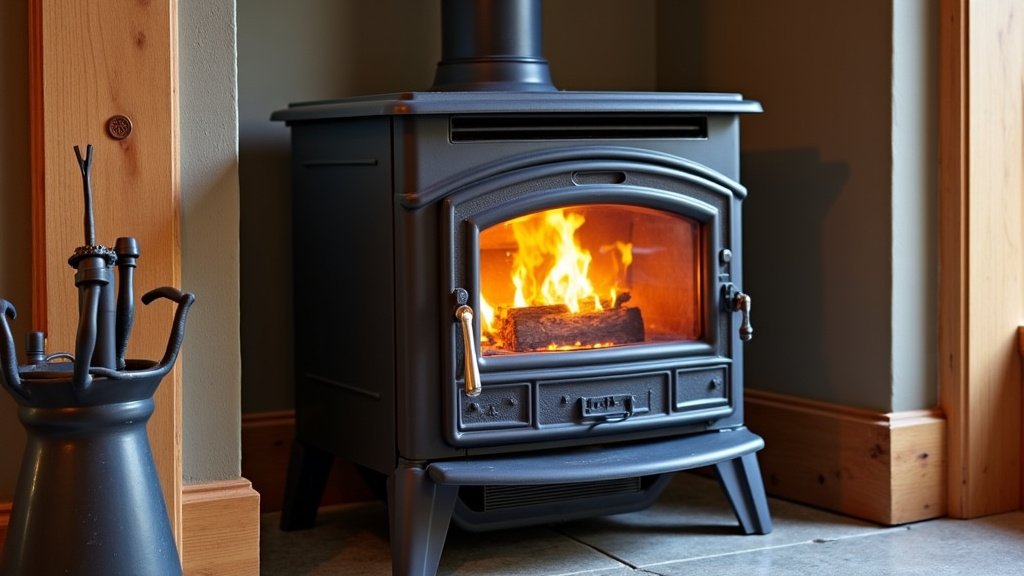
Not all wood stoves are created equal. Some are designed for large spaces, while others are more compact. Think about the size of your garage. Consider how often you’ll be using the stove. We found that selecting a stove with the right BTU output for your space is key to efficient heating. Not all wood stoves are created equal, and our guide helps you pick the best wood stove for your workshop.
Stove Size and Heating Capacity
A stove that’s too small won’t adequately heat your garage. A stove that’s too large can overheat the space. It can also lead to inefficient burning. Most stove manufacturers provide a square footage range they can heat. Your garage’s square footage will help you choose the appropriate size. Also, consider insulation. A well-insulated garage will require less heat.
EPA-Certified Stoves
Many modern wood stoves are EPA-certified. This means they meet strict emissions standards. They burn wood more efficiently. This results in less creosote buildup in your chimney. This reduces the risk of chimney fires. EPA-certified stoves also produce less pollution. Look for the EPA label when shopping. It’s a good indicator of a modern, efficient appliance.
Installation Checklist for Your Garage Wood Stove
Getting ready to install your wood stove? Use this quick checklist to make sure you haven’t missed anything important. Remember, safety first!
- Check local building codes and permits.
- Consult stove manufacturer’s installation manual.
- Ensure proper floor protection is installed.
- Install adequate wall protection/clearances.
- Verify chimney/vent pipe is correctly sized and installed.
- Install carbon monoxide detectors in the garage and living areas.
Conclusion
Putting a wood stove in your garage is definitely possible, but it requires careful planning and strict adherence to safety guidelines. We’ve found that understanding and following local codes, ensuring proper clearances, and installing essential safety features like CO detectors are non-negotiable steps. Don’t cut corners on ventilation or hearth protection. Your next step should be to contact your local building department to understand all the specific requirements in your area. This homework ensures your cozy garage workshop stays safe and legal.
Frequently Asked Questions
Can I vent my garage wood stove into my house chimney?
No, you should never vent a garage wood stove into a chimney used by your home. The garage is considered a separate structure, and its chimney system must be entirely independent. This prevents fire hazards and the dangerous buildup of carbon monoxide in your living space.
What kind of flooring do I need under a garage wood stove?
You’ll need a non-combustible floor protector that extends at least 18 inches in front of the stove and 8 inches to the sides and rear, or as specified by your stove’s manual and local codes. This can be made of masonry, brick, or a specialized hearth pad to prevent embers from igniting the floor.
Do I need a permit to install a wood stove in my garage?
Most likely, yes. Installing a wood stove involves structural and safety modifications, so a permit is usually required by your local building department. They will inspect the installation to ensure it meets all safety codes before approving it.
How close can a wood stove be to garage walls?
This depends heavily on the stove model and whether you install heat shields. Manufacturers provide specific clearance requirements, often ranging from 12 to 36 inches. Using proper heat shields can reduce these distances, but always consult your stove’s manual and local fire codes.
What’s the biggest risk of installing a wood stove in a garage?
The most significant risks are fire and carbon monoxide poisoning. Garages often store flammable materials, and if clearances aren’t maintained or the venting system isn’t perfect, a fire can start quickly. CO can build up silently to deadly levels if ventilation is inadequate.