How to Convert a Fireplace to Gas?
On this page (4 sections)
Yes, you can absolutely convert your wood-burning fireplace to gas. It’s a popular choice for homeowners seeking convenience and efficiency. This conversion process typically involves installing a gas log set or a gas insert into your existing fireplace structure.
Many homeowners are looking for ways to make their hearths more user-friendly and eco-friendly. Converting to gas offers a cleaner burn and instant ambiance with the flip of a switch. You won’t have to worry about hauling wood or dealing with ash anymore.
- Gas fireplace conversion is possible.
- It offers convenience and cleaner burning.
- You can choose between gas logs or inserts.
- Professional installation is highly recommended.
- Consider venting and gas line needs.
Ready to enjoy the warmth and beauty of a gas fireplace without the hassle? Let’s walk through exactly how this conversion can work for your home.
Transforming Your Fireplace with Gas Conversion
Thinking about switching your fireplace from wood to gas? You’re not alone! Many homeowners find gas conversions a smart move. It lets you keep the cozy charm of a fireplace. You just ditch the wood-hauling and ash-cleaning work. It’s about modernizing your hearth for easier enjoyment.
This guide will walk you through the process. We’ll cover what to expect. We’ll also discuss the different options available. Get ready to learn how to make your fireplace more convenient and efficient.
Gas Fireplace Options: Logs vs. Inserts
When you decide to convert, you have two main choices. You can install a gas log set. Or you can opt for a gas fireplace insert. Each has its own benefits and fits different needs.
Gas Log Sets: Simplicity and Style
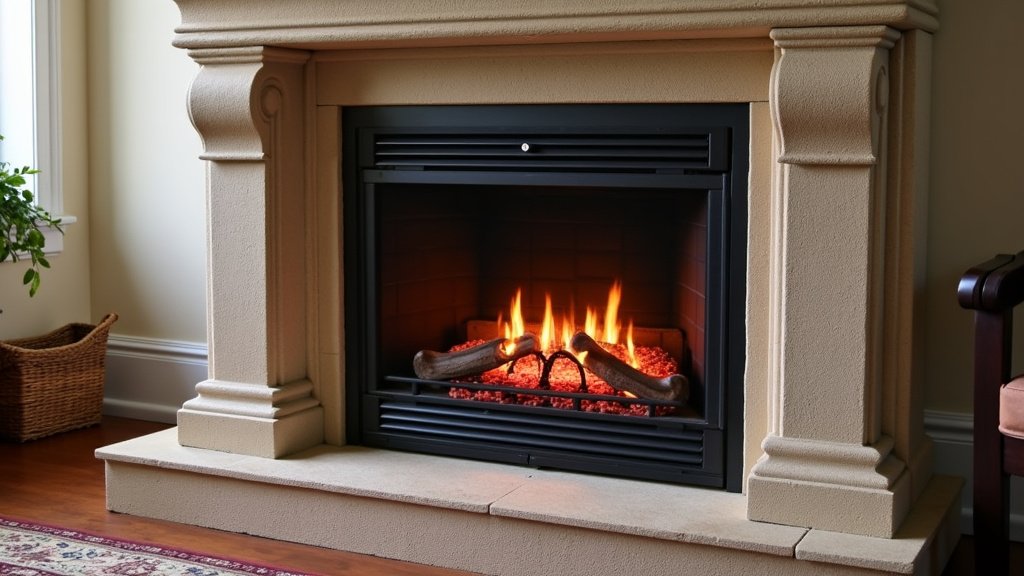
Gas log sets are designed to look like traditional wood logs. They sit directly in your existing firebox. This is a great option if your current fireplace is in good condition. It’s often a more budget-friendly choice for conversion.
You can get vented or vent-free gas log sets. Vented logs work like a traditional fireplace. They send combustion byproducts up the chimney. Vent-free logs are more efficient. They release heat directly into your room. However, vent-free systems have specific installation requirements. You’ll need to check local codes and manufacturer guidelines carefully. They are not suitable for all living spaces or all fireplace types. Learn how vent-free gas log sets operate and their specific installation requirements.
A major perk of gas logs is the instant ambiance. You can turn them on with a switch or remote control. No more waiting for wood to catch fire. The look is very realistic, mimicking a real wood fire closely.
Gas Fireplace Inserts: Efficiency and Heat
A gas fireplace insert is more
Conclusion
Converting your wood-burning fireplace to gas offers a wonderful blend of tradition and modern convenience. You can transform your hearth into an efficient, easy-to-use source of warmth and ambiance. Whether you choose realistic gas logs or a high-efficiency gas insert, the payoff is clear: less work, more enjoyment.
Remember, professional installation is key for safety and optimal performance. Don’t hesitate to reach out to qualified professionals. They can assess your home’s needs and help you pick the perfect gas fireplace solution. Start planning your conversion today and get ready to enjoy your upgraded fireplace!
Frequently Asked Questions
How much does it cost to convert a fireplace to gas?
The cost can vary widely depending on your choice of gas logs or an insert. Gas log sets are generally more affordable, while inserts can be a larger investment. You also need to factor in the cost of running a new gas line if one isn’t present. Professional installation is essential and adds to the overall price. Researching local installers will give you the most accurate estimates.
Do I need a gas line run to my fireplace?
Yes, your fireplace will need a direct connection to a natural gas or propane line. If you don’t currently have one, a licensed gas technician will need to install it. This involves running the line from your existing gas source to the fireplace location. Safety codes must be strictly followed during this process.
Can I use a gas log set in any fireplace?
Generally, yes, but with important considerations. Your existing firebox must be in good condition. You’ll need to decide between vented and vent-free logs. Vented logs require a functional chimney, similar to a wood-burning fireplace. Vent-free logs have specific room size and air circulation requirements. Always check manufacturer guidelines and local building codes before installation.
What’s the difference between a gas log set and a gas fireplace insert?
A gas log set is designed to mimic the look of a wood fire and fits into your existing firebox. It’s often a simpler and less expensive conversion. A gas fireplace insert is a self-contained unit that slides into your firebox. Inserts are typically more efficient at heating your home and often come with fans to circulate warm air. They usually represent a larger upfront investment.
Is it safe to convert my fireplace to gas?
Yes, converting to gas is very safe when done correctly by qualified professionals. Gas systems are designed with multiple safety features. Professional installation ensures all connections are secure and codes are met. Choosing between vented and vent-free options also involves safety considerations. Always follow manufacturer instructions for operation and maintenance.