How to Choose a Pellet Stove for a Tent
Choose a wood pellet tent stove only when its maker approves tent use and specifies a safe vent setup. Pellet fuel needs a controlled feed and a steady power source in many stoves, while a wood stove designed for tents may need a different fuel and chimney arrangement.
On this page (8 sections)
- What is a wood pellet tent stove?
- Can you use a pellet stove inside a tent?
- How does pellet feeding affect camping?
- What should you check before choosing a wood pellet tent stove?
- Which camping stoves help explain the fuel differences?
- How do you plan fuel and storage for a trip?
- Is a pellet stove suitable for a tent sauna?
- How should you make the final choice?
A wood pellet tent stove must be approved for tent use, with a compatible fuel feed, chimney and tent setup. Pellet fuel can be convenient to pack, but the stove may need electricity to feed and control the burn.
Before choosing, check how the stove handles pellets, how it vents smoke, and whether your tent is designed for that stove. Many compact camping stoves burn wood or twigs and are intended for outdoor cooking, not heating an enclosed tent.
What is a wood pellet tent stove?
A wood pellet tent stove burns compressed wood pellets, which are small, uniform fuel pieces. A pellet stove needs a way to move fuel into the burn area at a controlled rate, whether by an electric feeder or a design approved for manual feeding.
A tent wood stove built for split wood works differently. Its firebox, air controls and chimney are set up for the fuels its maker specifies, so pellets should not be substituted unless the instructions allow them.
Pellets also need to stay dry. Damp fuel can be harder to ignite and burn, so plan for sealed storage during transport and at camp.
Can you use a pellet stove inside a tent?
Use one inside a tent only when both the stove and tent makers approve the combination. The stove needs a compatible stove jack, correct chimney parts and clear space around hot surfaces.
Tent fabric, rainfly material, guy lines and stored gear can all be affected by heat or sparks. Follow the stated clearances and installation instructions, and do not assume a stove jack makes every stove safe for that tent.
Combustion also produces carbon monoxide, an odorless gas. Use a working carbon monoxide alarm suitable for the setting, keep ventilation as instructed, and never leave a burning stove unattended or use it while sleeping.
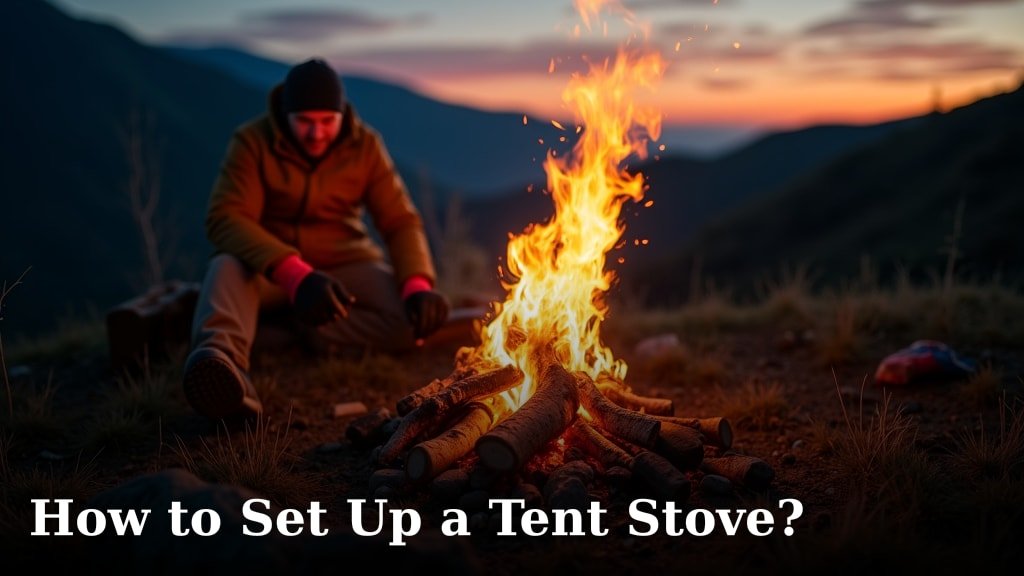
For the setup steps and safety checks, read our guide to How to Set Up a Tent Stove?.
How does pellet feeding affect camping?
A pellet stove's fuel feed shapes how practical it is away from home. Check whether it needs electricity, how pellets are loaded, and what the maker says about operation during a power interruption.
Some pellet stoves use a powered auger or fan. If the model needs power, confirm the supply it accepts and how long it can run on that source before planning a trip around it.
Manual-feed designs may avoid some electrical needs, but you still need to follow the maker's instructions for adding fuel and controlling the fire. Do not improvise a hopper or feed system for a wood stove.
How do pellet stoves compare with wood stoves for a tent?
Pellets have a consistent shape and can be portioned into bags, while firewood sizes and moisture levels vary. The right choice depends on the stove's approved fuel and your campsite power, not on fuel convenience alone.
A wood stove can be a simpler fit if you want a firebox designed for kindling or firewood and can carry suitable fuel. For a broader comparison, see how to choose between a wood stove and a pellet stove.
Pellet stoves may offer a more controlled feed, but that system can add electrical and maintenance needs. Compare the full setup, including fuel, power, chimney and tent compatibility.
What should you check before choosing a wood pellet tent stove?
Check the maker's approved fuel, tent-use guidance, vent parts and power needs before buying. If any of those details are unclear, ask the manufacturer before using the stove in a tent.
| Check | What to confirm |
|---|---|
| Tent approval | The stove is approved for tent use, and the tent maker allows that stove type |
| Fuel | Pellets are specifically approved, with clear feeding instructions |
| Power | Required voltage, power source and backup plan for the campsite |
| Stove jack | Opening size, material and placement match the chimney route |
| Chimney | Correct pipe parts, height and clearances for the tent |
| Maintenance | Instructions for ash removal, cleaning and safe shutdown |
| Transport | Fuel, stove and vent parts fit your load and travel plan |
A model marketed as portable or for outdoor cooking is not automatically suitable for enclosed tent use. Check the instructions for the exact model and avoid relying on a general label.
If you are choosing a smaller wood-burning option, compare the best small wood stove for tent guide. It can help you assess size and portability, but confirm tent approval and fuel compatibility separately.
Which camping stoves help explain the fuel differences?
These compact camping stoves show why wood-burning camp gear should not be treated as pellet equipment. Each product below is described as wood burning, and none of the supplied product details establishes approval for tent heating or pellet use.
Guide Gear describes this stove for outdoor use, including camping and backyard spaces. Its design burns kindling wood, with a top platform for heating cookware, and detachable legs and interlocking pipes for transport.
Treat it as an outdoor wood stove unless the manufacturer confirms the specific tent setup you plan to use. Its stated fuel is wood, so do not assume it accepts pellets.
For another outdoor wood-burning option, see cast iron wood stoves.
The REDCAMP stove folds for carrying and has a stainless steel cooking grid. It is a small cooking stove, not a listed pellet heater, and its details do not guarantee tent-heating approval.
Lineslife describes this stove for outdoor cooking and names wood, straw and charcoal as fuels. That fuel list does not include pellets, so check directly with the manufacturer before considering any alternate fuel.
For broader tent-camping options and the compatibility questions to ask, see Best Tent Stove For Tent Camping.
How do you plan fuel and storage for a trip?
Plan fuel around the stove's instructions and your trip length. Keep pellets dry and carry only fuel the stove maker approves, with enough room for bags and safe storage away from sparks and heat.
Do not estimate burn time from the amount of fuel alone unless the stove maker provides a method for your model and conditions. Wind, startup, heat settings and the tent's insulation can affect how quickly you use fuel.
Wood pellets and firewood also have different packing needs. The best wood pellets for pellet stoves guide can help you compare pellet types, but use only the fuel your stove specifies.
Is a pellet stove suitable for a tent sauna?
A pellet stove can suit a tent sauna only if the stove and sauna tent makers approve the setup. Heat, steam, fabric and chimney clearances make compatibility especially important in a sauna tent.
Do not assume that a stove suitable for a camping tent is also safe in a sauna tent. Check the tent's stove-jack instructions and the stove's operating limits before use.
Our guide to a tent sauna with a wood stove covers the tent and stove fit questions to consider.
How should you make the final choice?
Choose a wood pellet tent stove only when its maker approves pellets and tent use, and its power and venting fit your campsite. Pick a wood-burning camp stove only for its approved fuel and use setting.
If you cannot confirm the fuel, tent compatibility or chimney arrangement, choose another setup or contact the manufacturer before use. For a tent stove, the safest choice starts with a documented match between the stove, tent, fuel and vent parts.
Frequently asked questions
Can you burn wood pellets in a tent wood stove?
Only if the stove maker approves pellets and explains how to feed them safely. A wood stove's firebox and air controls may be designed for split wood or kindling, and loose pellets can fall through gaps or burn differently.
Check the manual for approved fuel before using pellets.
Do pellet stoves need electricity?
Many pellet stoves use electricity for parts such as the fuel feeder and controls, but requirements vary by model. Confirm the power source, startup needs and backup plan before taking one camping.
A stove that depends on mains power may not suit a remote campsite.
Can any tent have a pellet stove?
No. Use a stove only with a tent designed for stove use, including a compatible stove jack and enough clearance from fabric and gear.
Confirm the stove and tent makers approve the setup, then follow their venting and installation instructions at camp.
Are wood pellets easier to carry than firewood?
Pellets are uniform and can be packed in sealed bags, which may make fuel planning simpler. Their weight, volume and moisture protection still matter on a trip, and a pellet stove may need electricity or a powered feed.
Compare the full fuel and equipment load before choosing.
What should you check before using a tent stove?
Check that the stove and tent are approved for the setup, the stove jack fits the chimney, and required clearances are possible. Use the specified vent parts, keep the chimney clean, and follow the makers' instructions.
Carbon monoxide and fire risks remain even with a correctly fitted stove.