Why Is My Gas Fireplace Flame Yellow?
On this page (7 sections)
Your gas fireplace flame is yellow because of an incomplete combustion process. This often means there’s not enough oxygen reaching the flame or that the gas isn’t burning cleanly. While it might seem like a minor issue, a yellow flame can indicate a problem that needs attention.
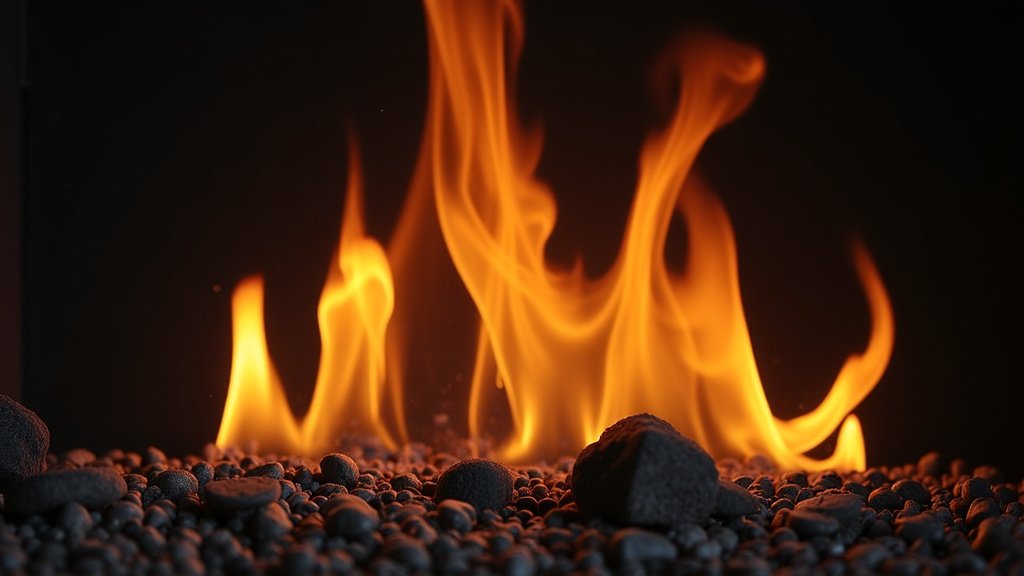
A healthy gas fireplace flame should be a vibrant blue at the base, transitioning to a bright yellow at the tips. When the flame is predominantly yellow, it can mean your fireplace isn’t operating at peak efficiency and could be producing carbon monoxide. It’s important to understand the potential causes to ensure your home stays safe and warm.
- Yellow flames usually mean incomplete combustion.
- This can happen from a lack of oxygen or dirty burners. This can happen from a lack of oxygen or dirty burners, which can also affect the main flame.
- A yellow flame can produce harmful carbon monoxide.
- The ideal flame is blue at the base, yellow at the tips.
- Addressing the cause ensures safe and efficient heating.
Let’s walk through the common reasons why your gas fireplace might be showing a yellow flame and what you can do about it.
Troubleshooting Your Gas Fireplace’s Yellow Flame
Seeing a yellow flame from your gas fireplace might make you feel a bit uneasy. You probably expect a nice, clean burn. But don’t worry, we’ve found that this is a pretty common issue. A yellow flame often means something isn’t quite right with how the gas is burning. It usually points to either a lack of oxygen or something interfering with the clean burning process. Let’s break down what could be causing this and what you can do to get that beautiful blue-and-yellow flame back.
Understanding Gas Fireplace Flames
Before we dive into problems, let’s talk about what a healthy gas fireplace flame looks like. Experts at the National Fire Protection Association (NFPA) and fireplace manufacturers agree: a good flame is mostly blue at the base where it meets the burner. This blue color signifies complete combustion. As the flame gets taller, it should transition to a bright, lively yellow at the tips. This is normal and indicates the fuel is getting enough oxygen to burn efficiently.
What a Yellow Flame Really Means
When your flame is predominantly yellow, or has dark orange and smoky parts, it’s a sign of incomplete combustion. Think of it like a campfire on a damp day. You get a lot of smoke and not much heat. In your gas fireplace, this means the gas isn’t burning completely. This can happen for a few key reasons, and it’s important to understand them.
Potential Dangers of a Yellow Flame
This is perhaps the most crucial reason to address a yellow flame. Incomplete combustion can produce carbon monoxide (CO). This is a colorless, odorless gas that is very dangerous. The Centers for Disease Control and Prevention (CDC) warns that CO poisoning can be deadly. While modern gas fireplaces have safety features, a persistent yellow flame means you might be releasing CO into your home. This is why it’s essential to have working CO detectors installed and tested regularly. The Centers for Disease Control and Prevention (CDC) warns that carbon monoxide poisoning can be deadly, and electric fireplaces eliminate this risk.
Common Causes for Yellow Flames
1. Insufficient Oxygen Supply
This is a big one, and often the most straightforward fix. Your fireplace needs a good supply of air, specifically oxygen, to burn gas cleanly. If the airflow is restricted, the flame won’t get enough oxygen. This forces it to burn dirtier, leading to that yellow color.
Blocked Vents or Chimney
Over time, dust, debris, or even animal nests can build up in your chimney or vent system. This blockage physically prevents air from entering and smoke from exiting properly. When air can’t get in, the flame suffers. You might also notice soot building up around the fireplace opening.
Improper Ventilation
Sometimes, the issue isn’t a blockage but the design or setup of your ventilation. If your fireplace is too close to a wall, or if other appliances are drawing air away, it can create an oxygen-starved environment. Many building codes have specific requirements for fireplace ventilation to ensure safety.
Draft Issues
A fireplace’s “draft” is the movement of air through it. If the draft is weak, air might not be pulled into the firebox effectively. This can be due to a chimney that’s too short, a flue that’s too narrow, or even negative air pressure in your home caused by exhaust fans. A weak draft means less oxygen for the flame.
2. Dirty Burner Ports
Your gas fireplace has burner ports that release the gas to be ignited. These ports can become clogged with dust, soot, or other residue over time. When these tiny holes are partially blocked, they don’t release gas evenly. This disruption affects how the gas mixes with oxygen.
Residue Buildup
We found that this residue can come from various sources. If you’ve recently used aerosol sprays near the fireplace, or if there’s general dust in the air, it can settle on the burners. Even normal use can lead to a fine layer of soot over time. This gunk interferes with the perfect gas-to-air ratio.
Impact on Flame Shape
When burner ports are dirty, the flame might look uneven or sputter. Instead of a steady flow of gas, you get an inconsistent one. This inconsistency is a prime suspect for causing parts of the flame to turn yellow. It’s like trying to get water through a sprinkler with some holes blocked – the spray isn’t even.
3. Problems with the Gas-to-Air Mixture
This is a bit more technical but still important. Gas fireplaces have a mechanism, often called a venturi tube or air mixer, that controls how much gas and air are combined before ignition. If this mixture is off, you’ll get flame issues.
Adjustments Needed
Sometimes, the settings for the gas and air mixture can become slightly misaligned. This can happen during installation or after maintenance. If there’s too much gas for the amount of air, or vice-versa, you’ll see that yellow flame. It’s all about achieving that perfect balance, like a chef carefully measuring ingredients.
Faulty Parts
In rarer cases, a part within the gas control system or the air mixer might be faulty or worn out. This could lead to an incorrect mixture being delivered to the burners. This is where professional diagnosis becomes necessary.
4. Type of Gas Used
The type of gas your fireplace uses can also play a role. Most gas fireplaces are designed for either natural gas or propane, but not both without specific adjustments.
Natural Gas vs. Propane
Natural gas and propane have different chemical compositions and energy densities. If your fireplace is set up for one type of gas but is accidentally being supplied with the other, the combustion process will be affected. This can definitely result in a yellow flame. Always ensure your fireplace is correctly configured for the gas supply you are using.
What You Can Do: A Step-by-Step Checklist
When you notice your gas fireplace flame is yellow, it’s time to take action. Here’s a simple checklist to help you get started. Remember, safety is key, so if you’re ever unsure, call a professional.
- Visual Check: Look at your flame. Is it mostly yellow? Are there dark spots or soot?
- Inspect Vents: Check if the air intake vents on your fireplace unit are clear of dust and debris.
- Clear Obstructions: Ensure the area around your fireplace and any visible vents are free from blockages.
- Test CO Detectors: Make sure your carbon monoxide detectors are working correctly. Test them!
- Review Manual: Consult your fireplace’s owner’s manual for troubleshooting tips specific to your model.
- Schedule Maintenance: If the problem persists, it’s time to call a qualified gas fireplace technician.
When to Call a Professional
While some minor issues can be addressed by the homeowner, many problems with gas fireplaces require a skilled technician. If you’ve checked the simple things and the yellow flame remains, it’s time for expert help.
Signs You Need a Pro
Don’t hesitate to call a professional if you notice any of these:
- You suspect a gas leak (smell of rotten eggs).
- The yellow flame is accompanied by soot or smoky smells.
- You’ve tried basic cleaning and checks with no improvement.
- You’re uncomfortable performing any of the checks or adjustments.
- Your CO detector goes off.
What a Technician Will Do
A qualified technician has the tools and expertise to safely diagnose and fix the problem. They can:
- Thoroughly clean the burners and pilot assembly.
- Check and adjust the gas-to-air mixture.
- Inspect the vent system for blockages or leaks.
- Test for carbon monoxide emissions.
- Repair or replace faulty parts.
- Ensure your fireplace is operating safely and efficiently.
Many fireplace service companies offer annual maintenance plans. This can help catch potential issues like dirty burners or ventilation problems before they lead to a yellow flame or safety concerns.
Conclusion
Seeing a yellow flame from your gas fireplace means it’s likely not burning as cleanly as it should. This often points to a simple lack of oxygen or dirty burners, but it’s a signal that needs your attention to ensure safety and efficiency. You’ve learned about the importance of a blue flame base and yellow tips, and the potential dangers like carbon monoxide. By following the checklist and knowing when to call a professional, you can get your fireplace back to its beautiful, safe operation. Don’t hesitate to schedule that professional check-up if you’re unsure – your comfort and peace of mind are worth it.
Frequently Asked Questions
Is a yellow flame always dangerous?
A yellow flame indicates incomplete combustion, which can produce carbon monoxide. While not every yellow flame immediately means dangerous CO levels, it’s a warning sign that your fireplace isn’t operating safely. It’s best to address it promptly to prevent any risks.
Can I clean the fireplace burners myself?
For minor dust or debris on the visible burner ports, you might be able to gently clean them with a soft brush or vacuum attachment. However, if burners are heavily clogged or you’re uncomfortable, it’s safer to call a professional. Some cleaning tasks require specialized knowledge.
How often should I have my gas fireplace serviced?
Most experts recommend annual maintenance for gas fireplaces. This service can catch issues like dirty burners or ventilation problems before they lead to a yellow flame or other safety concerns. It also ensures your unit runs efficiently.
My CO detector went off, but the flame looks mostly blue. What should I do?
If your carbon monoxide detector sounds, evacuate your home immediately and call your gas company or emergency services from a safe distance. Even if the flame appears normal, a detector going off is a serious safety issue that needs professional attention right away.
What’s the difference between natural gas and propane flames?
Both natural gas and propane should burn with a mostly blue flame at the base. However, fireplaces are configured specifically for one gas. Using the wrong gas or having incorrect mixture settings can lead to a yellow flame, regardless of the gas type.