What Is the Best Wood Stove for Off Grid Living?
On this page (8 sections)
- Choosing the Right Wood Stove for Your Off-Grid Home
- Understanding Key Wood Stove Features for Off-Grid Use
- Material and Construction: Building for Durability
- Installation and Safety Considerations
- Fuel Availability and Stove Compatibility
- Making Your Final Choice: A Checklist for Off-Grid Stoves
- Conclusion
- Frequently Asked Questions
When you’re living off the grid, finding the best wood stove means prioritizing efficiency and reliability. For off-grid homes, a stove with a high BTU output and a long burn time is generally considered the top choice. These models can heat your space effectively and reduce how often you need to reload fuel, which is a big help when you’re relying solely on wood for warmth.
Choosing the right wood stove for off-grid living involves looking at more than just heat output. You’ll want to consider its durability, the ease of sourcing suitable fuel in your area, and how well it meets local emission standards. Many off-grid dwellers also look for stoves that offer secondary combustion, which burns off smoke more completely, leading to a cleaner burn and more heat from less wood.
- Prioritize high BTU output for effective heating.
- Look for long burn times to reduce reloading frequency.
- Consider durability and ease of fuel sourcing.
- Check local emission standards for compliance.
- Secondary combustion offers cleaner, more efficient burning.
We’ve done the research to help you find the perfect fit. Below, we’ll walk you through the key factors to consider when selecting the best wood stove for your off-grid lifestyle.
Choosing the Right Wood Stove for Your Off-Grid Home
When you’re living off the grid, your wood stove isn’t just a source of heat. It’s your lifeline. Finding the best wood stove means finding one that’s dependable and efficient. You need a stove that can keep your home warm even on the coldest days. It should also use wood wisely. This guide will help you understand what makes a wood stove a great choice for off-grid living.
We’ve looked at what makes a wood stove truly shine when you don’t have access to grid power. It’s all about balancing heating power with how long it can burn. We’ll help you understand the key features and considerations.
Understanding Key Wood Stove Features for Off-Grid Use
Not all wood stoves are created equal, especially when you rely on them for your sole heat source. Several features are particularly important for off-grid scenarios. Let’s break down what to look for.
BTU Output: How Much Heat Do You Really Need?
BTU, or British Thermal Units, measures heat output. For off-grid homes, a Understanding how to size a wood stove for a room will help you determine the appropriate higher BTU output for your space.higher BTU output is generally better. This is especially true if you have a larger space to heat or live in a very cold climate. A stove with a good BTU rating can warm your home more quickly and effectively. It also means you can maintain a comfortable temperature without running the stove constantly.
To estimate your needs, consider the size of your home, how well it’s insulated, and the typical winter temperatures in your area. Many stove manufacturers provide guidelines for BTU output based on square footage. This can be a good starting point for your research.
Burn Time: Less Reloading, More Living
Burn time is how long a stove can burn on a single load of wood. For off-grid living, longer burn times are a major advantage. Imagine sleeping through the night without needing to get up and add more logs! This means fewer trips outside in the cold. It also means less work tending the fire.
Stoves designed for long burns often have advanced combustion systems. They also have larger fireboxes. These allow for a more controlled burn. Look for stoves that explicitly state their burn times. Some can run for 8-12 hours or even longer on a single load.
Efficiency Ratings: Getting the Most Bang for Your Buck (and Wood!)
Efficiency tells you how much heat from the wood is actually transferred into your home, versus going up the chimney as smoke. Higher efficiency means you use less wood to produce the same amount of heat. This is a huge benefit when you’re sourcing your own firewood.
You’ll often see efficiency ratings expressed as a percentage. Modern, EPA-certified stoves typically range from 70% to over 85% efficiency. Look for the EPA certification label. This ensures the stove meets current environmental standards for emissions and efficiency.
Secondary Combustion: A Cleaner, Hotter Burn
This is a game-changer for modern wood stoves. Secondary combustion systems burn off the smoke and gases that would otherwise escape up the chimney. This results in a cleaner burn, fewer emissions, and more heat from your wood.
How does it work? Air is introduced into the firebox above the initial fire. This preheated air ignites the volatile gases and smoke. Many EPA-certified stoves use this technology. It makes them incredibly efficient and much better for the environment. You’ll notice less creosote buildup in your chimney, too. This is a good sign for safety and maintenance.
Material and Construction: Building for Durability
Your wood stove will be working hard, day in and day out. The materials it’s made from and how it’s put together are critical for its lifespan and performance. You want a stove that can withstand the test of time and the rigors of off-grid use.
Cast Iron vs. Steel: What’s the Difference?
Wood stoves are typically made from either cast iron or steel. Each has its own pros and cons:
| Material | Pros | Cons |
|---|---|---|
| Cast Iron | Excellent heat retention, classic look, durable if cared for. | Can be brittle and crack if overheated or struck, slower to heat up. |
| Steel | Heats up quickly, more flexible and less prone to cracking, often more modern designs. | May not retain heat as long as cast iron, can warp over time with extreme heat. |
For off-grid living, both can work well. Steel stoves often reach a good operating temperature faster. Cast iron holds heat longer, providing a more consistent warmth even after the fire dies down a bit. Many modern high-efficiency stoves are made from welded steel.
Firebox Size and Construction
The size of the firebox dictates how much wood you can load at once. A larger firebox typically means longer burn times. However, an excessively large firebox can be difficult to get hot enough for efficient secondary combustion, especially in milder weather.
Look for a firebox that is well-constructed. Thick steel or robust cast iron is ideal. Features like a heavy-duty baffle and robust door seals contribute to the stove’s durability and performance over time. These components are key to a good seal and efficient operation.
Installation and Safety Considerations
Even the best wood stove won’t serve you well if it’s not installed safely. Proper installation is crucial for both your safety and the stove’s performance. Always follow the manufacturer’s instructions and local building codes.
Clearances and Hearth Requirements
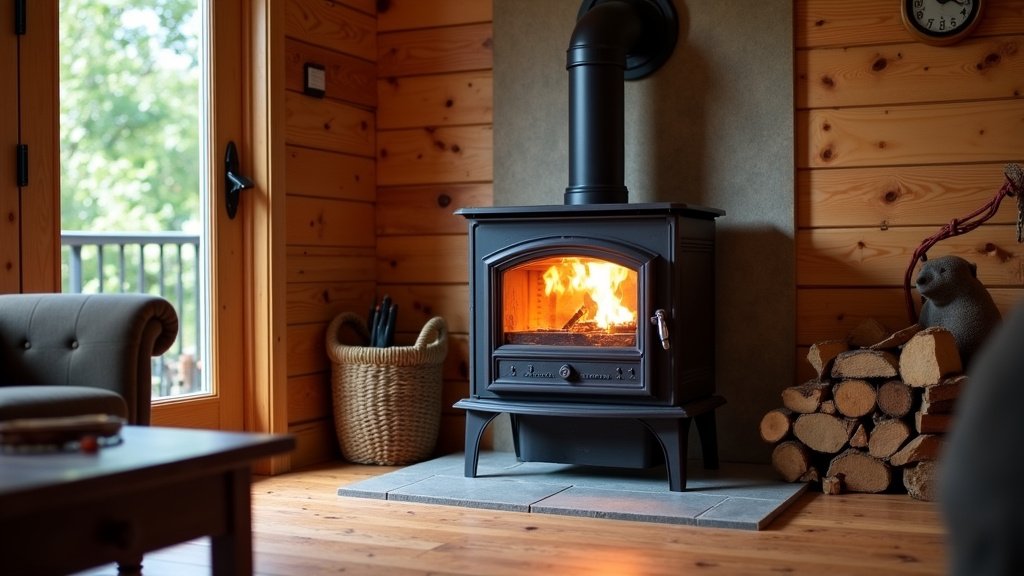
Wood stoves produce a lot of heat. They need safe distances from combustible materials like walls, furniture, and wood storage. These are called clearances. Your stove’s manual will specify these distances.
You’ll also need a non-combustible hearth pad under the stove. This protects your floor from radiant heat and stray embers. Check local building codes for specific requirements in your area. Safety is not something to guess on!
Chimney and Venting
A properly installed chimney system is vital for safely venting smoke and combustion gases outside. A good chimney draws air into the stove, supporting the fire. It also carries dangerous carbon monoxide away from your living space.
Use a chimney system rated for wood stoves. This typically involves insulated stainless steel pipe. Ensure it’s installed to the correct height and has the proper clearances. Regular inspection and cleaning of your chimney are essential to prevent chimney fires and ensure good draft. Many experts recommend cleaning at least once a year (CDC).
Carbon Monoxide Detectors
This is non-negotiable for any home using fuel-burning appliances. You must have working carbon monoxide detectors. Place them on every level of your home, especially near sleeping areas. Test them regularly and replace batteries as needed. Carbon monoxide is an odorless, colorless gas that can be deadly.
Fuel Availability and Stove Compatibility
The “best” wood stove is also one that works with the fuel you can easily get. Your local resources will play a big role in your decision.
Types of Wood Fuel
Hardwoods like oak, maple, and hickory are dense and burn longer and hotter. Softwoods like pine and fir burn faster and produce more creosote. For off-grid efficiency, seasoned hardwoods are generally preferred. Seasoned wood means it has been dried for at least 6-12 months. This reduces moisture content, leading to a hotter, cleaner burn.
Matching Stove to Your Fuel Source
Some stoves are designed to burn specific types of fuel very efficiently. For example, some might be optimized for biomass pellets, while others are strictly for cordwood. Ensure the stove you choose is designed for the type of wood you have access to. If you’re processing your own firewood, consider how much you can realistically cut, split, and season each year.
Making Your Final Choice: A Checklist for Off-Grid Stoves
Choosing the right stove is a big decision. Here’s a quick checklist to help you weigh your options:
- High BTU Output: Does it meet your heating needs?
- Long Burn Time: Will it keep you warm through the night?
- High Efficiency Rating: Does it burn wood wisely?
- Secondary Combustion: Does it offer a cleaner, hotter burn?
- Durable Construction: Is it built to last with quality materials?
- Safety Features: Does it meet clearance and venting requirements?
Conclusion
Choosing the best wood stove for your off-grid life is all about finding a balance. You need reliable heat, but you also need efficiency and safety. Focus on a stove with strong BTU output and long burn times. Always prioritize EPA-certified models with secondary combustion for cleaner, hotter fires. Ensure your chosen stove is built with durable materials and that your installation meets all safety codes. Take the time to research fuel availability in your area. Then, make your final choice based on this checklist. Your comfort and safety depend on it.
Frequently Asked Questions
How much BTU output do I need for an off-grid cabin?
The BTU output you need depends on your cabin’s size, insulation level, and your local climate. As a general rule, aim for a higher BTU rating if you have a larger space or experience very cold winters. Many manufacturers provide guidelines to help you match BTU to square footage.
Are steel or cast iron wood stoves better for off-grid living?
Both steel and cast iron stoves have their strengths for off-grid use. Steel heats up faster and is more durable against cracking. Cast iron retains heat longer, offering a more consistent warmth. Many modern, efficient stoves are made from welded steel.
What is secondary combustion, and why is it important for off-grid stoves?
Secondary combustion burns off smoke and gases that would otherwise go up the chimney. This process results in a cleaner burn, more heat from your wood, and fewer emissions. It’s a key feature for maximizing efficiency and reducing your firewood needs.
How often should I clean my wood stove chimney when living off-grid?
It’s generally recommended to inspect and clean your wood stove chimney at least once a year, or more often if you notice creosote buildup. Regular cleaning is vital for preventing chimney fires and ensuring your stove vents safely and efficiently.
Is it safe to rely solely on a wood stove for off-grid heating?
Yes, it is safe and common to rely on a wood stove for off-grid heating, provided you prioritize safety. This includes proper installation, regular maintenance, having working carbon monoxide detectors, and understanding how to operate your stove efficiently and safely.