What Is an EPA Certified Wood Stove?
On this page (5 sections)
An EPA Certified wood stove is a wood-burning appliance that meets strict emission standards set by the U.S. Environmental Protection Agency. This means it burns wood much more cleanly and efficiently than older, non-certified models. These stoves are designed to lower air pollution and improve air quality.
You might be wondering if your stove needs this certification, especially if you live in an area with wood-burning restrictions. The EPA certification process ensures your stove uses less wood for the same amount of heat. This not only helps the environment but also puts money back in your pocket by saving on fuel costs.
- An EPA-certified wood stove meets strict emission standards.
- They burn wood more cleanly and efficiently than older models.
- Certification reduces air pollution and improves air quality.
- You’ll use less wood to heat your home, saving you money.
- Many regions require EPA-certified stoves for new installations.
So, why is this certification so important, and what does it mean for your home heating? Let’s explore everything you need to know about these modern, efficient wood stoves.
Understanding EPA Certified Stoves
An EPA-certified wood stove is a heating appliance designed to burn firewood much more cleanly and efficiently. These modern stoves produce significantly less smoke and harmful pollutants. This helps protect both your indoor air quality and the outdoor environment.
When we talk about “certified,” it means the stove has undergone rigorous testing. It meets specific emission limits set by the U.S. Environmental Protection Agency. This is a federal standard that applies across the country.
You might wonder, “Why does this certification matter to me?” Think about older, traditional wood stoves. They often emit a lot of visible smoke and fine particles into the air. This can be a health concern, especially for people with respiratory issues (CDC).
Modern EPA-certified models drastically reduce these emissions. This means a cleaner burn and healthier air for everyone in your community. Plus, you get more heat from less wood.
The Evolution of Wood Stove Regulations
Wood burning has a long history, but its environmental impact became a growing concern. The EPA stepped in during the 1980s to address air pollution from wood stoves. They began establishing performance standards.
The first set of federal regulations for wood stoves was introduced in 1988. These early standards aimed to control the amount of fine particulate matter released into the atmosphere. It was a big step forward for air quality.
Over the years, these standards have become progressively stricter. The EPA has updated them several times to push manufacturers toward ever cleaner technologies. It’s a continuous effort to minimize environmental impact.
We found that each revision led to more innovative and efficient stove designs. Modern certification reflects decades of research and development in wood-burning technology, including EPA 2020 stove efficiency. It’s about getting more heat and less pollution.
Key Differences: Certified vs. Non-Certified
What really sets an EPA-certified stove apart from its older, non-certified cousins? It largely comes down to how they burn wood and manage emissions. The differences are quite dramatic.
Non-certified stoves, often called “conventional” or “old technology” stoves, typically burn wood inefficiently. They lose a lot of heat up the chimney as smoke and uncombusted gases. This results in a lot of visible smoke and creosote buildup.
Certified stoves, on the other hand, use advanced combustion techniques. They introduce secondary air to burn off gases and particles that would otherwise escape as smoke. This “secondary burn” creates a much cleaner flame and very little visible smoke (EPA).
Imagine the difference between a smoky campfire and a clean-burning gas grill. It’s a similar concept in terms of emissions released into the air. One is very wasteful, the other is highly efficient.
| Feature | EPA Certified Stove | Non-Certified Stove (Older Models) |
|---|---|---|
| Emissions | Very low particulate matter (under 4.5 g/hr) | High particulate matter (often over 15 g/hr) |
| Efficiency | 60-80% or higher | 30-50% often much lower |
| Smoke Output | Minimal, often just heat shimmer | Considerable, heavy smoke |
| Wood Consumed | Less wood for same heat output | More wood needed for same heat |
| Creosote Buildup | Much less, safer operation | Significant, higher fire risk |
| Legality | Required for new installations in many areas | Prohibited for sale or installation in many areas |
The Benefits You’ll Directly Experience
Upgrading to an EPA-certified wood stove isn’t just about following rules. It brings a host of direct advantages to your home and your wallet. You’ll likely notice the improvements right away, both inside and outside your home.
One major benefit is the reduced environmental impact. Less smoke means less pollution in your neighborhood. This contributes to better air quality for everyone, including those with sensitive lungs. It’s a choice that helps your community.
For your home, you’ll experience a more efficient heating system. Imagine cutting down fewer trees or buying less firewood each season. That’s a direct result of these stoves’ superior burning process. You’re heating smarter, not harder.
Cost Savings and Efficiency
Let’s talk about your money. We found that one of the most compelling reasons to choose an EPA-certified stove is the significant fuel savings. Since these stoves burn wood more thoroughly, you get more heat from each log.
Instead of watching half your heat go up the chimney as unburnt gases, modern stoves capture that energy. This means your woodpile lasts longer. How much longer? Many users report using 30-40% less wood than with older models (Energy.gov).
Think about what that adds up to over a heating season. Less money spent on purchasing wood, or less time and effort spent cutting it. It’s a real, tangible saving that makes these stoves a smart investment.
Beyond wood, you might also reduce your reliance on other heating sources, like oil or gas. This could further lower your overall utility bills. Who doesn’t love to save a little cash, especially when staying cozy warm?
Improved Air Quality and Safety
This is a big one for your health and the health of your family. Older wood stoves can release a lot of fine particulate matter indoors, even if you don’t smell smoke. These tiny particles can penetrate deep into your lungs and cause health problems (World Health Organization).
An EPA-certified stove dramatically reduces indoor smoke and particulate emissions. Their sealed fireboxes and efficient combustion mean a much cleaner air environment inside your home. You’ll breathe easier, literally.
What about safety? Less smoke also means less creosote buildup in your chimney. Creosote is a highly flammable residue that causes most chimney fires. With less creosote, you have a lower risk of chimney fires, making your home safer.
We often hear concerns about carbon monoxide. While any combustion appliance requires proper ventilation, the more complete burn in a certified stove generally produces fewer byproducts. However, always install carbon monoxide detectors for peace of mind.
Finding and Installing Your EPA Certified Stove
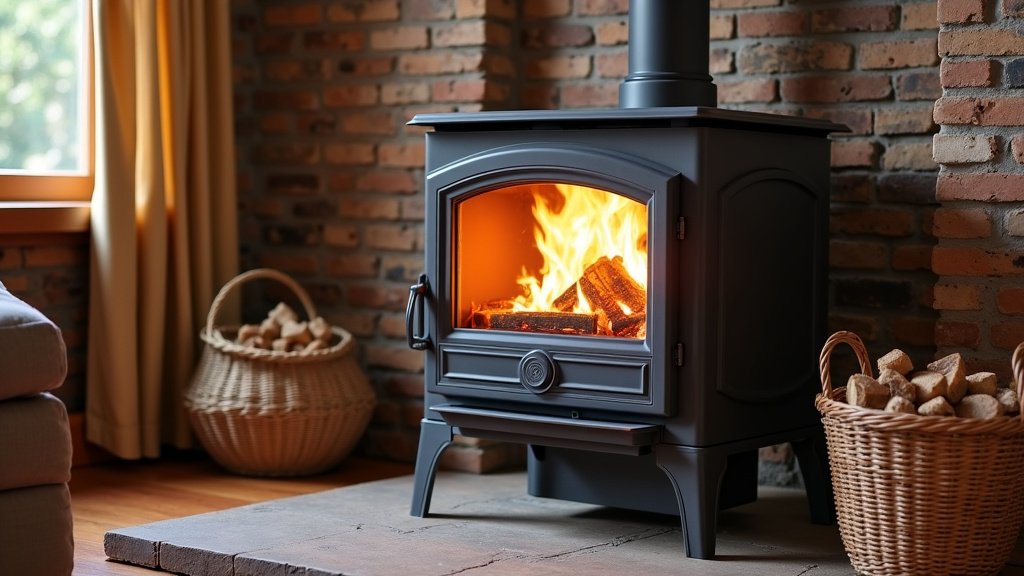
If you’re now thinking an EPA-certified stove is for you, great! But how do you go about finding one, and what do you need to know about getting it installed? It’s easier than you might think to make the switch to a cleaner, more efficient heat source.
Start by looking for retailers specializing in wood-burning appliances. They will carry models that meet the latest EPA standards. You can also check the EPA’s website for a list of certified models. They maintain an updated database of all compliant stoves. This ensures you’re getting a fully vetted product.
Installation is key. It’s not just about sliding a stove into a spot. Proper installation ensures your stove operates safely and efficiently. Many building codes require professional installation by a certified technician. Don’t try to go it alone or you risk voiding warranties or worse, creating a safety hazard.
Is Certification Required in Your Area?
This is a crucial question. The short answer is: probably, for new installations. While EPA oversees federal standards, local regulations can vary widely. Many states, counties, and even cities have stricter rules than the federal EPA minimums.
For example, in some areas, you might be required to replace an old, uncertified stove with a certified one if you’re selling your home. Other regions might offer rebates or tax incentives for upgrading to an EPA-certified model. It’s always a good idea to check your local municipality’s building department or air quality agency.
Many areas also have “burn bans” during periods of poor air quality. These bans often exempt EPA-certified stoves because of their low emissions. So, having one means you might still be able to enjoy a fire when your neighbors with older stoves cannot.
Here’s a quick checklist of things to verify:
- Check local building codes for wood stove regulations.
- Inquire about permit requirements for new installations.
- Ask about any local or state incentive programs for certified stoves.
- Confirm if your area has specific particulate matter emission limits.
- Understand local burn ban policies and exemptions.
- Ensure your chosen installer is licensed and knowledgeable about local rules.
Maintenance for Optimal Performance
Even the best stove needs a little love to perform its best. Regular maintenance is essential for an EPA-certified wood stove. This keeps it running efficiently and safely for years. It’s not a set-it-and-forget-it appliance.
You’ll need to clean your chimney regularly. While creosote buildup is significantly reduced with a certified stove, it’s still present. Many experts recommend an annual inspection and cleaning by a certified chimney sweep (Chimney Safety Institute of America).
Beyond the chimney, emptying the ash pan is a routine task. Also, inspect the door gasket for wear and tear. A leaky gasket lets air into the firebox, reducing efficiency and potentially allowing smoke indoors. Replacing it is a simple DIY job.
Finally, always burn dry, seasoned wood. This is perhaps the most important tip for any wood stove, certified or not. Wet wood burns inefficiently, produces more smoke, and creates more creosote. Think of it as feeding your stove the right fuel for peak performance.
Conclusion
You’ve learned that an EPA-certified wood stove is more than just a heating appliance. It’s a smart choice for your wallet, your family’s health, and the environment. These stoves provide superior efficiency, significantly cut down on emissions, and require less wood to heat your home.
By investing in a certified model, you’re embracing cleaner air and greater safety. You’re also potentially saving money on fuel costs and even qualifying for local incentives. Now’s the time to explore modern wood heating options.
Ready to make the switch? Check your local regulations and speak with a certified stove retailer today.
Frequently Asked Questions
How can I tell if my existing wood stove is EPA certified?
Look for a permanent label on the back or side of your stove. It should state that it is EPA certified or meets specific EPA emission standards. Older stoves generally won’t have this label.
Are EPA-certified wood stoves more expensive than non-certified ones?
Initially, certified stoves might have a higher purchase price. However, their superior efficiency and fuel savings often lead to a lower overall cost of ownership over time. They are a much better long-term investment.
Can I get a tax credit or rebate for buying an EPA-certified wood stove?
Possibly! Many federal, state, and local programs offer incentives for upgrading to cleaner heating appliances. We recommend checking with your local energy department or stove dealer for current opportunities.
Do EPA-certified stoves still produce creosote in the chimney?
Yes, but significantly less than older, non-certified stoves. The cleaner burn reduces creosote buildup, making your stove safer and reducing the risk of chimney fires. Regular chimney cleaning is still essential.
What kind of wood should I burn in an EPA-certified stove?
Always burn dry, seasoned hardwood for the best results. Properly seasoned wood has been dried for at least six months to a year, improving efficiency and reducing smoke. Never burn trash, treated wood, or cardboard.