What Can You Cook on a Wood Stove?
On this page (4 sections)
Yes, you can cook almost anything on a wood stove that you can on a conventional oven or stovetop. From baking bread to simmering stews and frying eggs, a well-managed wood stove offers a surprisingly versatile cooking surface and interior. It just takes a little practice to master the heat.
Many homeowners are rediscovering the charm and practicality of cooking with wood. It’s a fantastic way to keep your home cozy while preparing delicious meals, especially during power outages. You’ll find that a wood stove can become your kitchen’s heart and soul, providing both warmth and culinary capabilities.
- You can bake, boil, fry, and simmer.
- It’s great for comfort foods and slow-cooked meals.
- Mastering the heat is key.
- It can save energy and keep you warm.
- Perfect for off-grid living or power outages.
Ready to discover what delicious dishes await you on your wood stove? Let’s walk through some of the amazing things you can cook.
It’s amazing what you can create on a wood stove. Many people think of it as just a heat source, but it’s a powerful cooking appliance. You can prepare meals just as you would on a gas or electric stove. The key is understanding how to manage the heat it provides. Let’s look at the different cooking methods you can use.
Mastering Your Wood Stove for Delicious Meals
Cooking on a wood stove is a bit different from a modern kitchen. It requires you to be more hands-on. You’ll learn to read the stove’s heat by its color and how the wood is burning. This knowledge helps you adjust the air vents to control the temperature. It’s a rewarding skill that connects you more deeply with your food and your home.
Baking and Roasting Wonders
You might be surprised to learn how well wood stoves bake. Many have a specific baking area or a flat top surface that’s perfect for it. You can bake everything from fluffy biscuits to hearty loaves of bread. Cakes and pies also turn out wonderfully, often with a unique, smoky flavor.
To bake, you’ll want to achieve a consistent, medium heat. This usually means having a bed of glowing coals rather than active flames. You can place your baking pans directly on the stovetop or inside a warming oven if your stove has one. Many experienced wood stove cooks use a cast iron Dutch oven for baking. It distributes heat evenly and creates a great environment for baking bread or roasting meats.
Tips for Baking Success
- Preheat your oven or baking area. Just like a conventional oven, give it time to reach the right temperature.
- Use cast iron whenever possible. It holds heat well and provides even cooking.
- Monitor your temperature. Use an oven thermometer if you’re unsure.
- Rotate your pans. This helps ensure even baking on all sides.
Boiling and Simmering Soups and Stews
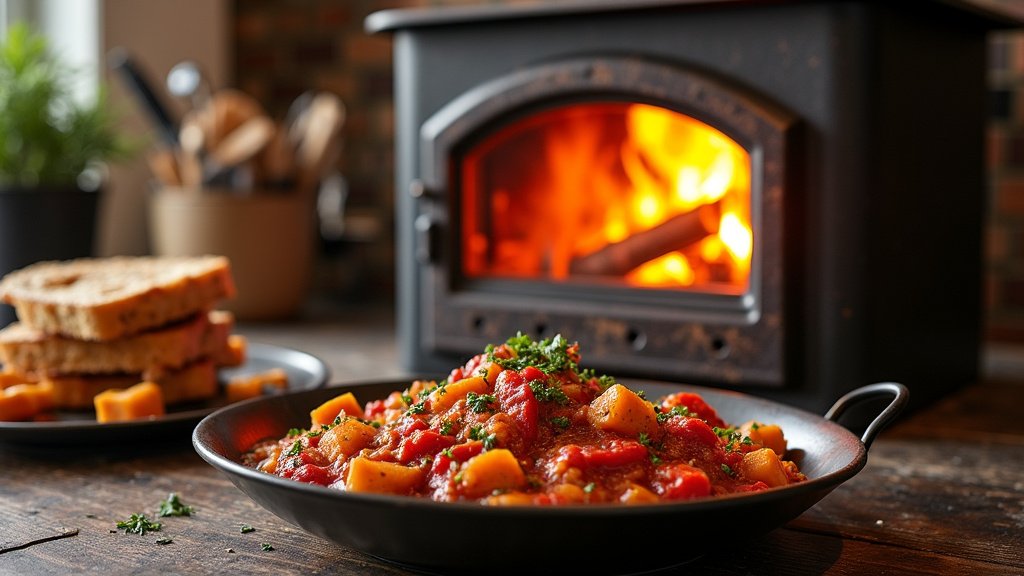
Wood stoves are naturally fantastic for anything that requires simmering for a long time. Think of hearty stews, rich chilis, or slow-cooked beans. The gentle, consistent heat from a bed of coals is perfect for these dishes.
You can place pots and pans directly on the flat stovetop. The heat intensity varies across the surface. The area directly over the firebox will be hottest. The edges of the stove tend to be cooler. This variation allows you to simmer on one part of the stove while boiling water on another.
Great for Comfort Foods
This type of cooking is ideal for comfort foods. Imagine a slow-cooked pot roast or a rich beef stew warming your home. You can also prepare stocks and broths that benefit from hours of gentle simmering. Many people find that foods cooked this way develop a deeper, richer flavor.
Frying and Searing on the Stovetop
Don’t forget about stovetop cooking! Your wood stove’s flat top is a great surface for frying. You can cook eggs, bacon, pancakes, and even sear steaks. Cast iron skillets are your best friend here.
Achieving the right temperature for frying can take practice. You’ll want the surface to be hot enough to sizzle but not so hot that it burns your food instantly. Adjusting the airflow can help you control this. A quick way to test is to flick a few drops of water onto the surface. If they evaporate quickly with a sizzle, it’s ready.
Perfect for Breakfast
Morning meals are a natural fit for wood stove cooking. You can fry up a full breakfast with eggs, bacon, and hash browns all at once. The warmth of the stove also makes the kitchen a cozy place to enjoy your meal, especially on a chilly morning.
Beyond the Basics: More Culinary Adventures
Once you get comfortable with the fundamental cooking methods, you can start experimenting. Your wood stove can handle much more than you might expect. It’s a versatile kitchen tool.
Making Sauces and Condiments
From simple pan sauces to elaborate holiday gravies, a wood stove is excellent for making them. The gentle heat allows you to reduce sauces slowly without scorching. You can also make homemade jams, jellies, and chutneys. These often require long simmering times, which a wood stove handles beautifully.
Grilling and Smoking (with Adaptations)
While not a built-in feature, you can achieve grilled and smoked flavors. Place a grill pan on the hottest part of the stove for grill marks. For smoking, you can use a stovetop smoker box or wrap foods in foil with wood chips. This method is more experimental but can yield delicious results.
Heating and Warming Foods
Wood stoves are also great for simply keeping food warm. If you have leftovers or need to keep a dish hot while other parts of the meal finish cooking, the stovetop is perfect. You can also use the residual heat after the fire dies down to gently warm breads or rolls.
Here’s a quick checklist to get you started:
- Get a good cast iron skillet.
- Invest in oven mitts and pot holders.
- Practice controlling the stove’s heat.
- Keep an oven thermometer handy.
- Don’t be afraid to experiment!
- Always prioritize safety.
You’ll find that cooking with wood is a learning process. Each stove is a little different, and even the type of wood you use can affect the heat. But with a little practice, you’ll be whipping up delicious meals that will impress your family and friends. It’s a wonderfully traditional way to cook that brings warmth and flavor into your home.
Conclusion
You’ve learned that your wood stove is far more than just a source of heat. It’s a remarkably versatile cooking appliance ready for your culinary adventures. From baking crusty bread and roasting meats to simmering hearty stews and frying up breakfast favorites, the possibilities are vast. Mastering the heat is your key to success. Now, take that knowledge and put it to use. Your next delicious, wood-fired meal is waiting to be created!
Frequently Asked Questions
Do I need special cookware for a wood stove?
While not strictly required, cast iron cookware is highly recommended. It distributes heat evenly and withstands the high temperatures of a wood stove exceptionally well. Using durable pots and pans suitable for direct heat is essential.
How do I control the temperature for baking?
For baking, you’ll want a consistent, medium heat. This means having a good bed of glowing coals rather than active flames. You can control this by managing the airflow and the amount of wood burning. An oven thermometer is also a great tool to ensure accuracy.
Can I really bake a cake on a wood stove?
Yes, you absolutely can bake a cake! The key is to maintain a steady, moderate temperature, similar to how you would preheat a conventional oven. Using a cast iron Dutch oven can help create an even baking environment, and rotating your cake pan will ensure it cooks uniformly.
Is it safe to cook on a wood stove during a power outage?
Cooking on a wood stove is an excellent way to prepare meals during a power outage. As long as your stove is properly installed and maintained, it’s perfectly safe. Just be sure to practice good ventilation and fire safety habits as you would anytime you use it.
How do I get a smoky flavor for grilling or smoking?
To achieve smoky flavors, you can get creative. For grilling, use a cast iron grill pan on the hottest part of the stove. For smoking, experiment with a stovetop smoker box or wrap foods with wood chips in foil. This might take a little practice to perfect.