Is Heating with a Pellet Stove Cheaper Than Gas?
On this page (9 sections)
- Pellet Stoves vs. Gas: Which Heating Method is More Budget-Friendly?
- Understanding the Fuel Costs: Pellets vs. Natural Gas
- Initial Investment and Installation Costs
- Maintenance and Ongoing Expenses
- Convenience and Lifestyle Considerations
- Environmental Impact: A Greener Choice?
- Making Your Decision: A Checklist
- Conclusion
- Frequently Asked Questions
So, you’re wondering if heating your home with a pellet stove is actually cheaper than using gas. Based on our research, the answer is often yes, especially if you can find affordable wood pellets. Many homeowners find that the overall cost of heating with pellets can be lower than natural gas, depending on your local fuel prices.
Choosing how to heat your home is a big decision. Pellet stoves offer a cozy alternative to traditional heating. They burn compressed wood pellets, which are a renewable fuel source. When comparing costs, it’s important to look at both the fuel price and the efficiency of your heating system.
- Pellet stoves can be cheaper than gas, especially with good pellet prices.
- Fuel cost is key, but so is how efficiently your stove heats your home.
- Wood pellets are a renewable fuel option for heating.
- Consider your local fuel prices for the best comparison.
Let’s break down the costs and see how pellet stoves stack up against gas heating, so you can make the best choice for your home.
Pellet Stoves vs. Gas: Which Heating Method is More Budget-Friendly?
Deciding between a pellet stove and a gas furnace is a big financial choice. We’ve looked into it, and many homeowners find that pellet stoves can indeed be cheaper than gas heating. This often depends heavily on the cost of wood pellets in your area. Think of it like choosing between buying apples in bulk or at a specialty store – price matters!
Several factors play a role in the overall cost. You’ll want to consider the price of the fuel itself. But don’t forget about the efficiency of your heating system. A more efficient stove will use less fuel to produce the same amount of heat. We’ll break down these costs so you can see the picture more clearly.
Understanding the Fuel Costs: Pellets vs. Natural Gas
The price of fuel is usually the biggest driver when comparing heating costs. Natural gas prices can fluctuate based on market conditions and your local utility company. Wood pellet prices also vary by region and time of year. Generally, when wood pellets are readily available and affordable, they can offer a When wood pellets are readily available and affordable, they can offer a cost advantage over natural gas.cost advantage over natural gas.
For example, in some areas, a ton of wood pellets might cost less than the equivalent amount of heat produced by natural gas. However, this isn’t always the case. If you live somewhere with very cheap natural gas prices, the equation might shift. It’s always a good idea to check local fuel prices before making a decision.
Comparing Energy Content and Efficiency
To compare costs accurately, we need to talk about energy. Natural gas is measured in therms. Wood pellets are usually sold by the bag or ton, and their energy content is measured in British Thermal Units (BTUs). A pound of wood pellets typically contains around 8,000 BTUs.
The efficiency of your heating appliance is also key. Modern natural gas furnaces can be very efficient, often reaching 90-98% efficiency. This means most of the energy from the gas is converted into heat for your home. Pellet stoves also boast good efficiency rates, with many models operating at 75-85% efficiency.
What Does This Mean for Your Bill?
Let’s say you need 100 million BTUs of heat for the winter. If natural gas costs $2.00 per therm (which is 100,000 BTUs), you’d spend $2,000 on gas. If your gas furnace is 95% efficient, you’d effectively need about $2,105 worth of gas to get that 100 million BTUs delivered as heat. It’s a bit like buying a can of soda – you don’t get every drop out, but it’s close!
Now, imagine wood pellets cost $250 per ton. A ton of pellets contains roughly 16 million BTUs (2000 lbs/ton * 8000 BTU/lb). To get 100 million BTUs, you’d need about 6.25 tons of pellets (100 million / 16 million). At $250 per ton, that’s $1,562.50 for the fuel. If your pellet stove is 80% efficient, you’d need about $1,953 worth of pellets to deliver 100 million BTUs of heat. In this scenario, the pellet stove is cheaper! To understand the ongoing expenses, learn about the typical cost to run a pellet stove.
The Impact of Local Fuel Prices
This example highlights how crucial local pricing is. If natural gas in your area is cheaper, say $1.50 per therm, your gas heating bill would be lower ($1,579 for 100 million BTUs at 95% efficiency). Conversely, if pellets are more expensive, maybe $300 per ton, the pellet cost jumps to $1,875 for the same amount of heat (at 80% efficiency).
Many sources, including energy information agencies, track average fuel costs. You can often find reports that compare the cost per million BTUs for different fuel types in various regions. This data is a fantastic resource for making an informed decision.
Initial Investment and Installation Costs
Beyond the ongoing fuel costs, you also need to think about the upfront expenses. Purchasing a pellet stove and having it installed can be a significant initial investment. The price of a pellet stove can range from $1,000 to $4,000 or more, depending on the brand, features, and heating capacity.
Installation costs can add another $500 to $3,000, which includes venting, chimney work, and any necessary electrical hookups. You might also need to consider any required modifications to your home’s structure. This is quite different from a natural gas furnace, where the existing gas lines and ductwork might already be in place.
Comparing with Gas Furnace Installation
A new natural gas furnace can cost anywhere from $2,000 to $6,000, including installation. However, if you already have a gas line and ductwork, the cost might be lower. If you’re converting a home that doesn’t have natural gas service, the cost of bringing gas to your house can be substantial. This makes the pellet stove a potentially more appealing option if you’re starting from scratch or have limited access to natural gas infrastructure.
It’s also worth noting that some areas might offer rebates or tax credits for installing energy-efficient heating systems, including pellet stoves. These incentives can help offset the initial purchase price. Always check with your local utility companies and government websites for any available programs.
Maintenance and Ongoing Expenses
Both pellet stoves and gas furnaces require regular maintenance to ensure they operate safely and efficiently. Neglecting maintenance can lead to decreased performance and potentially higher fuel consumption. Think of it as giving your car an oil change – it keeps things running smoothly.
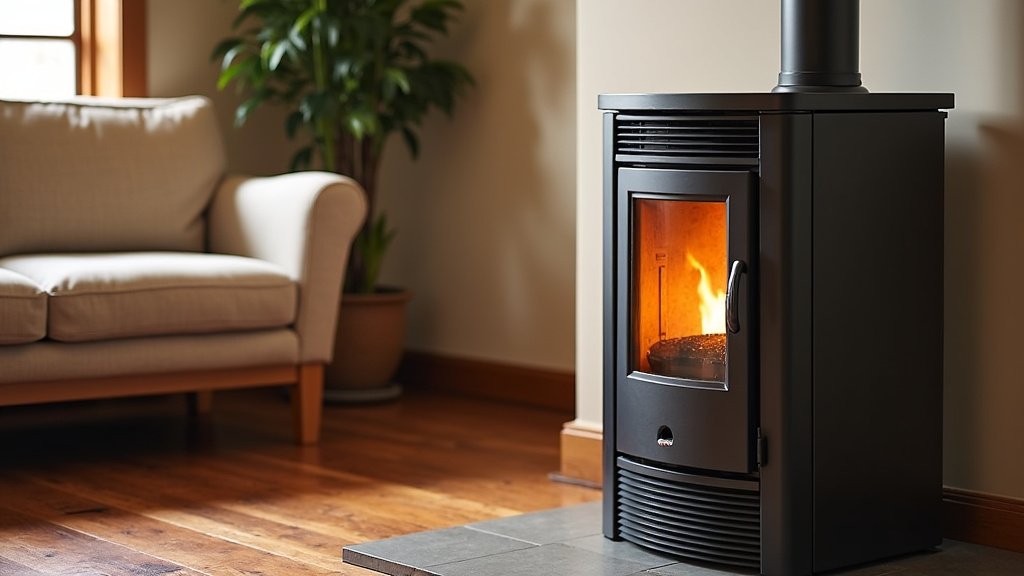
Pellet stoves typically require more hands-on cleaning than gas furnaces. You’ll need to regularly empty the ash pan, clean the burn pot, and wipe down the glass. It’s also recommended to have the stove professionally serviced annually. This usually involves a more thorough cleaning of the internal components and checks for wear and tear.
Pellet Stove Cleaning Routine
On a daily or weekly basis (depending on usage), you’ll likely need to:
- Remove ash from the burn pot.
- Brush off any soot from the burn pot and stove door.
- Wipe down the glass to maintain visibility.
- Check the pellet level in the hopper.
Monthly or seasonally, you might need to do a more thorough cleaning of the heat exchangers and check the exhaust venting. Many manufacturers provide detailed cleaning schedules in their owner’s manuals. Following these guidelines is key to your stove’s longevity and performance. We found that homeowners who are diligent with cleaning report fewer issues and better heating performance.
Gas Furnace Maintenance Needs
Gas furnaces also need regular attention. Annual professional servicing is highly recommended. A technician will typically check the heat exchanger for cracks, clean the burners, inspect the blower motor, and ensure the thermostat is working correctly. They’ll also check for any gas leaks, which is a critical safety measure.
While you might change the air filter yourself on a furnace, most other maintenance tasks are best left to a qualified professional. This can sometimes be a convenience factor for homeowners who prefer less hands-on upkeep.
Convenience and Lifestyle Considerations
Beyond the dollar figures, the convenience of each system plays a role in your overall satisfaction. Natural gas heating is often described as “set it and forget it.” You turn up the thermostat, and the house warms up. There’s no need to store fuel or handle ash.
Pellet stoves, while becoming more automated, still require some effort. You need to buy and transport wood pellets, fill the hopper, and manage the ash. This means a bit more work is involved, especially during colder months. For some, this is a small price to pay for the ambiance and perceived warmth of a real fire.
Storing Fuel: Pellets vs. Gas Tanks
Where do you store your fuel? Natural gas typically comes directly into your home via underground pipelines. There’s no visible storage needed, which is a major plus for many homeowners. If you’re in an area that relies on propane or heating oil, you’ll have storage tanks on your property.
Wood pellets need to be stored in a dry place. They are usually purchased in 40-pound bags. You might need a dedicated space, like a garage, shed, or basement, to store enough pellets for the heating season. This storage requirement is something to consider, especially if you have limited space.
The ‘Ambiance’ Factor
Let’s be honest, there’s something undeniably cozy about a fire. Pellet stoves provide a visible flame and a radiant heat that many people find more comforting than the forced air from a gas furnace. They can also be a great supplemental heat source, warming up a specific room or zone of your house effectively. If ambiance is a big part of your home’s comfort, a pellet stove might win out.
Environmental Impact: A Greener Choice?
When considering long-term costs and benefits, the environmental impact is also on many people’s minds. Wood pellets are made from compressed sawdust and wood scraps, which are often byproducts of the lumber industry. This makes them a renewable fuel source. Burning wood pellets can be considered carbon-neutral if the wood used is sourced sustainably.
This is because the carbon dioxide released during burning is theoretically offset by the carbon dioxide absorbed by the trees as they grow. The Environmental Protection Agency (EPA) has programs and standards for wood-burning appliances, including pellet stoves, to minimize emissions.
Comparing Emissions and Sustainability
Natural gas is a fossil fuel. While it burns cleaner than coal or oil, it still releases greenhouse gases, including carbon dioxide and methane, which contribute to climate change. There are also concerns about methane leaks during natural gas extraction and transportation.
Many experts suggest that when sourced responsibly, pellet stoves can be a more sustainable option than natural gas. However, it’s important to look for pellets certified by organizations like the Pellet Fuels Institute (PFI) to ensure quality and sustainability standards are met. We found that the overall carbon footprint can be lower with pellets, especially when replacing older, less efficient gas systems.
Making Your Decision: A Checklist
To help you decide if a pellet stove is cheaper than gas for your home, ask yourself these questions:
- What are the current prices for wood pellets in my area? Compare this to your local natural gas rates.
- How much heat does my home require? Consider the size and insulation of your house.
- What is my budget for initial installation costs? Factor in stove purchase, installation, and any modifications.
- How much time and effort am I willing to put into maintenance? Pellet stoves require more hands-on care.
- Is the ambiance of a real flame important to me? Pellet stoves offer a unique warmth.
- Are there any local rebates or incentives available for pellet stoves? These can significantly lower the upfront cost.
Conclusion
So, is heating with a pellet stove cheaper than gas? Our research shows it often is, especially when you can secure affordable wood pellets. While the upfront cost of a pellet stove is a consideration, the potential savings on fuel can make it a wise long-term investment. Remember to weigh the ongoing maintenance and storage needs against the convenience of gas.
To make the best choice for your home, we recommend checking your local fuel prices and available incentives. Then, you can truly compare the cost per million BTUs and decide which system offers the most comfort and savings for your budget.
Frequently Asked Questions
How do I calculate the cost of pellets vs. natural gas per BTU?
You’ll need to find the price of a ton of pellets and its approximate BTU content, and then compare that to the price of natural gas per therm (100,000 BTUs) in your area. Many energy websites offer calculators or charts that do this conversion for you.
Are pellet stoves difficult to maintain compared to gas furnaces?
Generally, yes. Pellet stoves require more frequent hands-on cleaning, such as emptying ash and cleaning the burn pot. Gas furnaces typically need less frequent upkeep, usually annual professional servicing.
Where is the best place to store wood pellets?
Wood pellets must be stored in a dry, protected area. Garages, basements, or sheds are common choices, as they keep the pellets from getting wet, which can cause them to break down.
Can a pellet stove heat my entire house, or is it just supplemental heat?
Many modern pellet stoves are powerful enough to heat an entire average-sized home, especially when used as a primary heat source. However, they also work very well as supplemental heat for specific rooms or zones.
What happens to pellet stove prices if natural gas prices drop significantly?
If natural gas prices drop considerably, the cost advantage of pellet stoves may decrease. You’ll need to re-evaluate the local prices of both fuels to see which remains more economical for your heating needs.