How to Relight a Gas Fireplace Pilot Light?
On this page (3 sections)
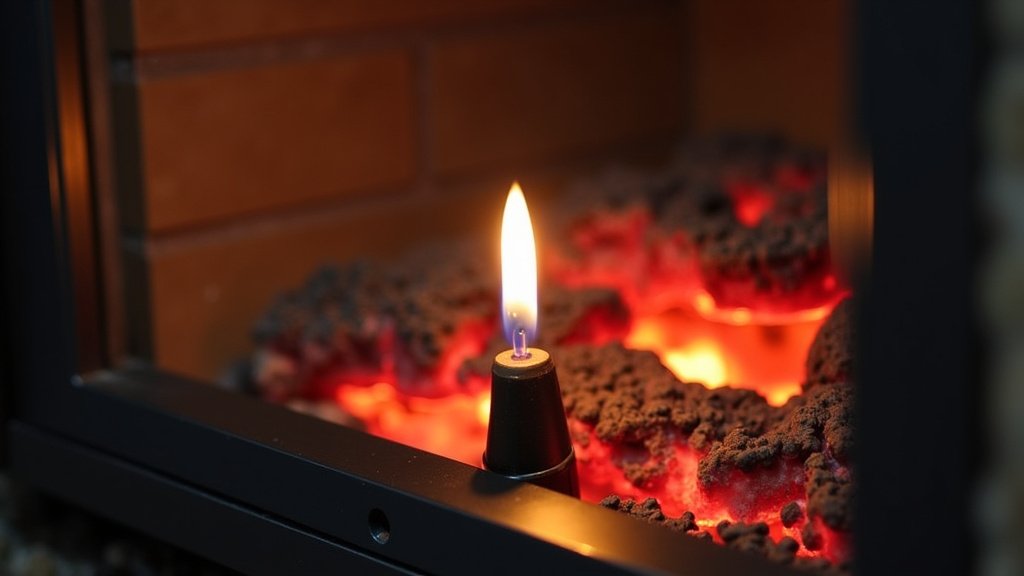
To relight a gas fireplace pilot light, you’ll generally need to locate the pilot knob, turn it to the “pilot” setting, push it in, and then use the igniter button to spark the flame. Keep the knob held in for about 20-30 seconds after it lights to ensure the thermocouple heats up properly. This process is often straightforward once you understand your specific fireplace model.
Sometimes your cozy fireplace can go dark, leaving you wondering how to bring that comforting glow back. Don’t worry, you’re not alone! Many homeowners occasionally face a dead pilot light. We found that knowing a few simple steps can save you a service call and get your fireplace working again quickly. It’s all about understanding your appliance and following safety guidelines.
- Locate your gas valve and pilot knob.
- Understand the “OFF,” “PILOT,” and “ON” settings.
- Press and hold the pilot knob while igniting.
- Give the thermocouple time to heat up.
- Ensure proper ventilation and safety first.
Let’s walk through exactly how to relight a gas fireplace pilot light, step by step, so you can enjoy your warm hearth once more.
Getting Your Gas Fireplace Pilot Light Re-Lit
Re-lighting your gas fireplace pilot light is a common task. We found that most homeowners can do it themselves with a little guidance. This guide will walk you through the process, helping you regain that comforting warmth.
Safety First: What You Need to Know Before You Start
Before you even think about re-lighting that pilot, safety needs to be your top priority. Gas appliances require a healthy respect, and rushing can lead to problems. We often hear stories about people skipping these important checks, which is never a good idea.
Checking for Gas Leaks
A gas leak is a serious concern
Conclusion
Relighting your gas fireplace pilot light doesn’t have to be intimidating. By prioritizing safety checks for gas leaks and following the step-by-step instructions for your specific model, you can quickly restore warmth.
We found that most issues are easily resolved with a bit of patience and adhering to the manufacturer’s guidelines. Don’t forget to give that thermocouple time to heat up after ignition.
If you’ve tried these steps and your pilot light still won’t stay lit, or if you suspect a gas leak at any point, your next best step is to contact a certified HVAC professional immediately for assistance. Your comfort and safety are important.
Frequently Asked Questions
Why does my gas fireplace pilot light keep going out?
A common reason for a pilot light repeatedly extinguishing is a faulty thermocouple. This small sensor detects the pilot flame to ensure it’s safe to open the main gas valve. If it’s dirty, bent, or worn out, it won’t signal correctly.
Is it safe to relight a pilot light myself?
Yes, for most modern gas fireplaces, relighting the pilot light yourself is generally considered safe if you follow the manufacturer’s instructions carefully. Always ensure there are no gas odors before attempting to light it, and prioritize ventilation.
How do I know if I have a gas leak?
The most obvious sign of a gas leak is the distinct smell of rotten eggs. You might also hear a hissing sound near the appliance or see a visible cloud of gas. If you suspect a leak, evacuate the area immediately and call your gas provider.
How long should I hold down the pilot knob?
After the pilot light ignites, you should hold the pilot knob down for about 20 to 30 seconds. This allows enough time for the thermocouple to heat up and register the flame, ensuring the pilot stays lit when you release the knob.
What if my fireplace doesn’t have an igniter button?
Some older gas fireplaces or those with manual ignition systems require a long utility lighter or a match to light the pilot. If yours lacks an igniter button, consult your owner’s manual for the correct procedure. Always exercise caution when using an open flame.