How Do You Childproof a Wood Stove?
On this page (8 sections)
- Making Your Wood Stove Safe for Little Explorers
- Creating Physical Barriers: The First Line of Defense
- The Importance of a Heat-Resistant Hearth Mat
- Securing the Surrounding Area: Beyond the Immediate Stove
- Supervision: The Ever-Present Safety Net
- Checklist: Quick Steps to a Safer Wood Stove Area
- Conclusion
- Frequently Asked Questions
Yes, you absolutely can and should childproof your wood stove to keep your little ones safe. The biggest danger is the extreme heat, so your primary focus will be on creating physical barriers and ensuring no flammable materials are too close. Think of it like building a little fortress around your warm, cozy hearth. Preventing burns is key, and there are several effective ways to do it.
childproofing a fireplace involves more than just one step. You’ll want to consider barrier gates to keep toddlers at a distance and protective mats for the floor. It’s also smart to think about the immediate area around the stove, making sure there’s nothing a curious child might grab or pull. We found that a multi-layered approach offers the best protection for your curious adventurers.
- Use sturdy, tall safety gates specifically designed for hearths.
- Place a heat-resistant hearth mat in front of the stove.
- Keep furniture and flammable items at a safe distance.
- Store fire-starting tools out of reach.
- Always supervise children around the wood stove.
Let’s walk through exactly how to make your wood stove area a safe zone for everyone, especially your smallest family members.
Making Your Wood Stove Safe for Little Explorers
Keeping your wood stove warm and cozy is wonderful. But when tiny hands and curious feet are around, safety becomes your top priority. You can absolutely childproof your wood stove effectively. The main goal is to create a safe zone. This prevents accidental burns and keeps your home accident-free.
Creating Physical Barriers: The First Line of Defense
The heat radiating from a wood stove is intense. Even a brief touch can cause serious burns. Your first step is to build a reliable barrier. This barrier needs to keep children physically distanced from the hot surfaces. It should be sturdy and tall enough to deter climbing.
Choosing the Right Safety Gate for Your Hearth
Not all baby gates are created equal when it comes to wood stoves. You need a gate specifically designed for hearths or fireplaces. These are often made from metal. They need to be tall and secure. Look for gates with wide enough spacing between the bars. This prevents little fingers from getting caught.
Many hearth gates are adjustable. This helps them fit different openings. Some even swing open for easy access when you need to tend the fire. Make sure the gate you choose is stable. It shouldn’t tip over easily if a child leans on it. Research reviews to find a gate that users found particularly secure.
Understanding Gate Placement and Installation
Proper placement is key for any safety gate. Install it a safe distance from the stove itself. This distance might seem generous, but it’s important. It gives children room to play without getting too close to the heat. Many safety experts recommend at least a 3-foot clearance, sometimes more.
Follow the manufacturer’s instructions carefully for installation. A wobbly gate is a useless gate. Ensure it is firmly anchored. If your gate requires wall mounting, make sure you’re using appropriate hardware for your wall type. A poorly installed gate could give a false sense of security.
The Importance of a Heat-Resistant Hearth Mat
Even with a gate, stray embers or hot ash can sometimes escape. A good hearth mat acts as a protective layer. It can catch falling debris. It also provides a safer surface around the stove. This is especially true if your flooring isn’t fire-resistant.
Selecting the Best Hearth Mat Material
Hearth mats are made from various materials. Some common ones include woven fiberglass, rubber, or fire-resistant fabrics. Look for mats that are certified as fire-retardant. They should also be non-slip. A slippery mat can be a tripping hazard itself.
Consider the mat’s size. It should extend well beyond the front of the stove. A good rule of thumb is to have it cover the area where you typically stand to load wood or clean ash. This provides a buffer zone. Think about durability too. The mat will endure foot traffic and potential ash spills.
Maintaining Your Hearth Mat for Ongoing Safety
Your hearth mat needs regular attention. Sweep or vacuum it frequently. Remove any accumulated dust or debris. This prevents it from becoming a fire hazard itself. Check the mat periodically for any signs of wear and tear. If it looks frayed or damaged, it’s time for a replacement.
A clean, intact hearth mat is your backup safety measure. It works in tandem with your gates. Together, they create a more robust protective system. This combination is essential for peace of mind.
Securing the Surrounding Area: Beyond the Immediate Stove
Childproofing isn’t just about the stove itself. It’s about the entire zone around it. Curious children might reach for things nearby. They could also pull items onto themselves.
Clearing Flammable Materials and Furniture
Keep a generous amount of space clear around your wood stove. Experts often suggest a minimum clearance of 36 inches from the stove’s sides and top. This applies to combustible materials like curtains, rugs, and furniture. It also includes firewood.
Firewood should be stored in a designated area. This area must be far from the stove. Never stack wood right next to the stove. It’s a tempting, dry fuel source. Think about where your child might walk or crawl. Ensure there are no tripping hazards. Remove any decorative items that could be pulled down.
Storing Fire-Starting Essentials Safely
Matches, lighters, and fire starters are a child’s worst nightmare. These items must be kept completely out of reach. A locked cabinet or a high shelf is ideal. Ensure these items are stored in a place where your child cannot access them, even with a step stool.
Consider childproof lighters. These are designed to be harder for children to operate. Even so, storing them securely is still the best practice. Never leave lighters or matches lying around, even for a moment. These are fire hazards that require constant vigilance.
Supervision: The Ever-Present Safety Net
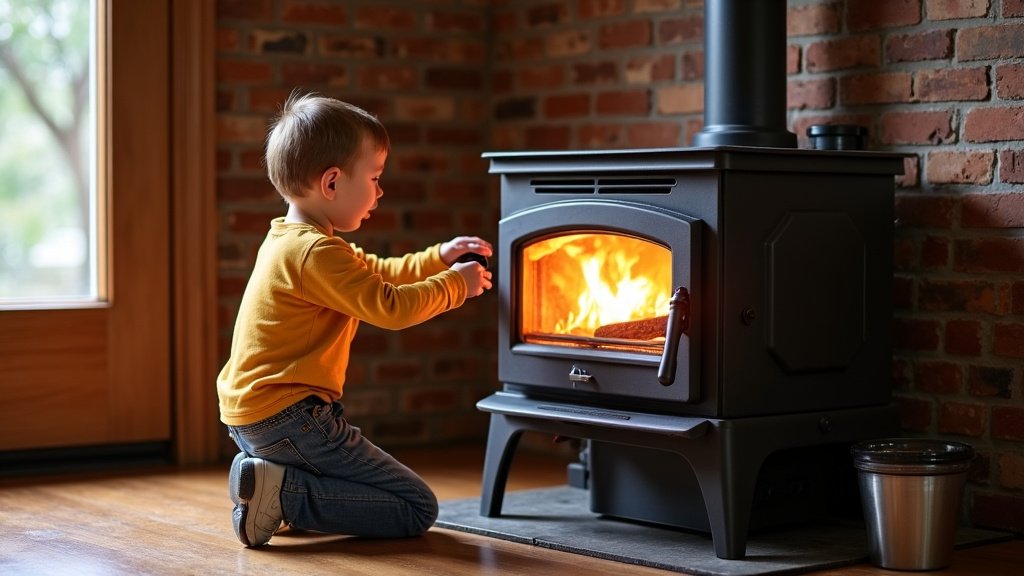
While physical barriers are crucial, they aren’t foolproof. Constant supervision is the most effective childproofing measure. Never leave young children unsupervised in a room with a wood stove, whether it’s lit or still warm.
Establishing Clear Rules and Expectations
As children grow, they can understand basic safety rules. Talk to them about the stove. Explain that it’s hot and they should not touch it. Use simple language they can grasp. Demonstrate the safe zone using the gate.
Involve older children in fire safety discussions. Teach them about fire prevention. This helps them understand the importance of the safety measures. It builds good habits early on. However, remember that even older children can be impulsive.
Recognizing When the Stove is Still Hot
The danger doesn’t end when the fire goes out. Wood stoves and their surrounding surfaces can remain hot for many hours after the last log has burned. Always assume the stove is hot until it has completely cooled down. This can take 6-12 hours or even longer.
Your child may not understand this concept. They might see the stove as just a part of the room. It’s your job to be the constant reminder. Make sure the safety gate remains in place. Keep children away until you are certain it’s cool to the touch. This is a critical step many overlook.
Checklist: Quick Steps to a Safer Wood Stove Area
Ready to secure your wood stove? Here’s a quick checklist:
- Install a sturdy, tall hearth gate at a safe distance.
- Place a fire-resistant mat in front of the stove.
- Clear all flammable items at least 3 feet away.
- Store matches, lighters, and fire starters in a locked container.
- Ensure constant supervision of children near the stove.
- Remember the stove stays hot long after the fire is out.
Conclusion
Childproofing your wood stove is a rewarding process. You’ve learned that creating physical barriers like sturdy gates and heat-resistant mats is your first line of defense. Keeping flammable items and fire-starting tools far away is also essential. Remember, consistent supervision is your most powerful tool. Even when the fire is out, the stove stays hot. By implementing these steps, you create a safer environment for your little ones. Take the time today to review your current setup and make any necessary adjustments. Your family’s safety is worth the effort.
Frequently Asked Questions
How far away should furniture be from a wood stove?
You should keep combustible materials like furniture, curtains, and firewood at least 3 feet away from your wood stove. This clearance prevents accidental ignition. Always check your stove’s manual for specific recommendations, as some models may require more space.
Are there special gates for wood stoves?
Yes, look for gates specifically designed for hearths or fireplaces. These are usually made of metal, are taller than standard baby gates, and offer more stability. Ensure the spacing between bars is narrow enough to prevent little fingers from getting caught.
What if my flooring isn’t fire-resistant?
If your floor isn’t naturally fire-resistant, a heat-resistant hearth mat is a must. It acts as a protective barrier against stray sparks or embers. Ensure the mat is large enough to cover the area in front of the stove and is certified as fire-retardant.
Do I need to supervise my child even if the stove is cold?
Absolutely. Wood stoves can remain dangerously hot for many hours after the fire has died down, sometimes 6 to 12 hours or even longer. Always assume the stove is hot and keep children supervised and a safe distance away until it’s completely cool to the touch.
Can children learn to use a lighter or matches if stored safely?
While teaching older children about fire safety is important, never rely on their understanding alone when it comes to lighters and matches. Always store these items in a locked cabinet or a very high place out of reach. Childproof lighters are a good idea, but secure storage is the most reliable safety measure.