Do Electric Fireplaces Use a Lot of Electricity?
On this page (3 sections)
No, electric fireplaces generally do not use a lot of electricity, especially when compared to other home heating options. They are an energy-efficient way to add warmth and ambiance, often costing just pennies per hour to operate the flame effect alone.
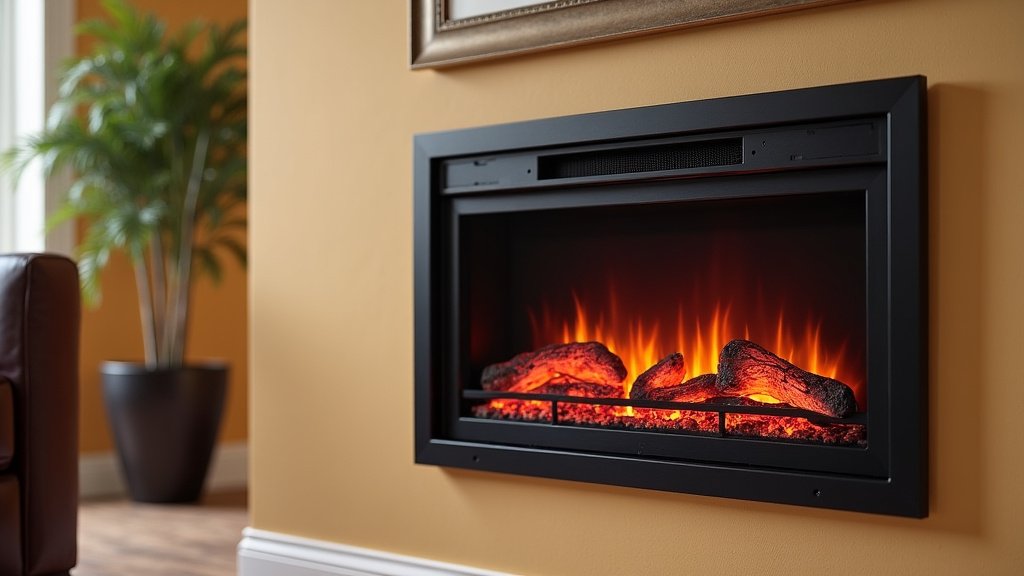
You might be surprised to learn how little an electric fireplace impacts your monthly electric bill. We found that the heating element is the main power user, but you control when it’s on. The realistic flames and glowing logs consume very little energy, making them a cost-effective decorative feature.
- Electric fireplaces are quite energy efficient.
- The flame effect uses minimal electricity.
- The heater uses more power, but you control it.
- Operating costs are generally low, especially without heat.
- They can be a budget-friendly heating zone option.
Let’s walk through exactly how much electricity electric fireplaces use, so you can make an informed decision for your home.
How Much Electricity Do Electric Fireplaces Really Use?
Electric fireplaces are surprisingly efficient. Understanding their power consumption helps you manage your energy costs. We’ll break down the factors that influence how much electricity they use.
Understanding Watts and Kilowatt-Hours (kWh)
To grasp electricity usage, you need to know about watts and kilowatt-hours. These terms might sound technical, but they are quite simple.
A watt measures the rate at which electricity is used. Think of it like speed for your car. A kilowatt (kW) is 1,000 watts.
A kilowatt-hour (kWh) measures the total amount of electricity consumed over time. This is what your utility company charges you for. It’s like the total distance your car travels.
For example, a 1,500-watt electric fireplace running for one hour uses 1.5 kWh of electricity.
The Two Main Power Modes: Flame vs. Heat
An electric fireplace typically has two primary operating modes. Each mode uses a different amount of electricity. This distinction is key to understanding your costs.
Flame Effect Only: Minimal Power Consumption
You can enjoy the cozy ambiance without generating any heat. This mode uses very little electricity. It powers small LED lights and sometimes a motor to create the illusion of dancing flames.
Most flame-only settings use between 10 to 100 watts. This is similar to a light bulb or a small electronic device. Running the flame effect for hours will barely impact your electric bill. It’s a very affordable way to add atmosphere.
Heating Element On: Higher Power Consumption
When you activate the heating function, your electric fireplace uses more power. This is because it needs to generate actual heat. The heating element is the biggest consumer of electricity in the unit.
Most electric fireplaces use a 1,500-watt heater. This is a standard output for supplemental zone heating. Some smaller units might use 750 watts, while larger ones could go up to 2,000 watts. This wattage is comparable to a space heater.
Calculating Your Electric Fireplace’s Operating Cost
Knowing your electric rate helps you figure out the cost. Your electric bill lists your rate per kWh. The national average electricity rate in the US is around 16 cents per kWh (U.S. Energy Information Administration).
Cost of Running the Flame Effect
Let’s say your flame effect uses 50 watts.
50 watts = 0.05 kW
0.05 kW x 1 hour = 0.05 kWh
0.05 kWh x $0.16/kWh = $0.008 per hour (less than one cent!)
You can run the flames all day for just a few pennies. This makes them a great decorative feature.
Cost of Running the Heater
Now, let’s calculate the cost for a 1,500-watt heater.
1,500 watts = 1.5 kW
1.5 kW x 1 hour = 1.5 kWh
1.5 kWh x $0.16/kWh = $0.24 per hour (24 cents)
If you run the heater for 8 hours a day, that’s $1.92. Over a month (30 days), this totals around $57.60. This is still quite reasonable for supplemental heat.
The cost will vary based on your local electricity rates. Rates can range from under 10 cents to over 30 cents per kWh depending on your state and provider.
Comparing Electric Fireplaces to Other Heating Options
How does an electric fireplace stack up against other ways to heat your home? You might be surprised at their efficiency for zone heating.
Electric Fireplace vs. Central Heating
Central heating systems warm your entire home. This can be very expensive if you only need warmth in one room. An electric fireplace provides zone heating. You heat only the area you are using, saving energy in unoccupied rooms.
We found that using zone heating with an electric fireplace can often lead to savings compared to turning up your thermostat for the whole house (Energy.gov).
Electric Fireplace vs. Traditional Wood-Burning Fireplace
Wood-burning fireplaces offer a classic charm, but they are often inefficient. Much of the heat escapes up the chimney. They also require purchasing, storing, and loading wood, plus regular cleaning.
Electric fireplaces provide clean, instant heat without the mess or harmful emissions. They are also 100% efficient, meaning all the electricity used is converted directly into heat.
Electric Fireplace vs. Propane/Natural Gas Fireplace
Gas fireplaces are convenient, but burning fossil fuels still produces emissions. Gas costs can also fluctuate significantly. Electric fireplaces offer similar convenience without the need for fuel lines or ventilation.
Factors Affecting Electric Fireplace Energy Consumption
Several things can influence how much electricity your unit uses. Being aware of these factors can help you manage your energy consumption effectively.
- Heater Wattage: As discussed, a 1,500-watt heater uses more electricity than a 750-watt one.
- Thermostat Settings: Setting a lower temperature means the heater runs less often.
- Room Size: A larger room requires more heat, causing the fireplace to work harder and run longer.
- Insulation: A well-insulated room retains heat better, reducing the run time of your heater.
- Duration of Use: The longer the heater is on, the more electricity it consumes.
Tips for Efficient Electric Fireplace Use
You can maximize the benefits of your electric fireplace while keeping costs low. It’s all about smart usage.
Here’s a quick checklist for efficient operation:
- Use the Thermostat: Set your desired temperature and let the fireplace regulate itself.
- Zone Heat Smartly: Only heat the room you are in, and keep doors closed to trap heat.
- Consider Room Size: Choose a fireplace sized appropriately for your space for optimal heating.
- Improve Home Insulation: Seal drafts around windows and doors to prevent heat loss.
- Program Timers: Many units have timers so you can set them to turn off automatically.
- Run Flame-Only Often: Enjoy the ambiance without heat whenever possible.
The Verdict: Are Electric Fireplaces Cost-Effective?
Absolutely! Electric fireplaces are a very cost-effective heating solution, especially when used for supplemental zone heating. Their flexibility allows you to enjoy warmth and ambiance without high energy bills.
| Feature | Electric Fireplace (Flame Only) | Electric Fireplace (Heater On) | Central Furnace (Typical) |
|---|---|---|---|
| Average Wattage | 10-100 Watts | 750-1,500 Watts | 10,000-40,000 Watts (input) |
| Approx. Cost Per Hour ($0.16/kWh) | $0.002 – $0.016 | $0.12 – $0.24 | Highly variable (depends on fuel type, home size) |
| Heating Method | N/A (ambiance only) | Supplemental Zone Heat | Whole Home Heat |
| Energy Efficiency | N/A (decorative) | 100% efficient at conversion | 60-98% efficient (furnace dependent) |
As you can see from our research, their operating costs are quite low for the comfort and convenience they provide.
Conclusion
You now know that electric fireplaces offer a practical and visually appealing heating solution without excessive electricity use. They are particularly efficient for zone heating, saving you money compared to warming your entire home. By understanding their power modes and implementing smart usage tips, you can enjoy warmth and ambiance affordably.
So go ahead and enjoy the cozy glow. Your electric bill will thank you for making an informed choice for your home’s comfort and your budget.
Frequently Asked Questions
Are electric fireplaces cheaper to run than central heating?
For heating a single room or specific zone, an electric fireplace can often be cheaper to run than turning up your central thermostat for the whole house. Central heating heats all areas, even unoccupied ones, leading to higher overall energy consumption.
Do electric fireplaces actually provide enough heat?
Yes, electric fireplaces are designed to provide supplemental heat for rooms typically up to 400 square feet. While they won’t heat an entire large home, they are very effective at making a single living space cozy and comfortable.
Can I leave my electric fireplace on overnight?
Most modern electric fireplaces are designed with safety features like automatic shut-off timers and overheat protection, making them safe to use for extended periods. However, always refer to your specific model’s manual for recommended operating guidelines.
Do electric fireplaces need ventilation?
No, electric fireplaces do not produce combustion byproducts like traditional wood or gas fireplaces. This means they do not require any venting or chimneys, making installation much simpler and more flexible.
What’s the best way to choose an energy-efficient electric fireplace?
Look for models with a thermostat, a flame-only setting, and adjustable heat wattage. Choosing a fireplace with LED flame effects also ensures minimal energy consumption when you’re just enjoying the ambiance.