Coal vs Wood Stoves: Which Should You Choose? (November 2026)
Choose a wood stove if seasoned firewood is practical to store and you want a familiar fuel; consider a coal stove only if coal is available and your appliance is built for it. The right coal vs wood stove depends on the model, local rules, fuel supply, and the work you can manage.
On this page (7 sections)
- Coal vs wood stove: what is the main difference?
- Which fuel is easier to find and store?
- Which one fits your heating needs?
- What should you know about emissions and indoor air?
- Which products are relevant to this comparison?
- How should you compare stove costs and upkeep?
- What should you choose: coal or wood?
Choose a wood stove if seasoned firewood is practical to store and you want a familiar fuel; consider a coal stove only if coal is available and your appliance is built for it. The coal vs wood stove decision comes down to fuel access, handling, installation, local rules, and the heating needs of your home.
A fuel label alone doesn't tell you how much heat a stove will provide or how much work it takes to run. Compare specific models, and use only the fuel each manufacturer approves.
For a broader look at appliance types and planning, start with Heating Stoves and Fireplaces: A Complete Guide for Efficient Home Heating.

 Best for a basket-style hookah setup
M. ROSENFELD Hookah Coal Burner for Hookah
Coal vs wood stove: what is the main difference?
A wood stove burns wood, while a coal stove is designed for coal; neither should be treated as a substitute for the other. The firebox, air controls, and venting must match the fuel and appliance.
Wood fuel usually means splitting, drying, and keeping logs accessible. Coal requires a reliable source and a suitable place to store it.
The routine differs by stove, so ask about loading, ash removal, and maintenance before you buy.
A stove designed for one fuel may not safely burn another. The U.S.
Environmental Protection Agency cautions against burning other fuels, including coal, in wood stoves unless the stove's permanent label permits it.
Check the manual and label for your exact model.
Can you use coal in a wood stove?
Use coal in a wood stove only when the manufacturer explicitly approves it for that model. If the manual or label doesn't approve coal, don't try it.
A mismatch can affect how the fire burns and how heat and exhaust move through the appliance. Confirm approved fuel types with the manufacturer before buying fuel or lighting a fire.
Which fuel is easier to find and store?
Choose the stove whose approved fuel you can get consistently and keep in suitable storage. Local supply and storage space can matter more than a general preference for wood or coal.
Wood needs a dry place for the amount you plan to burn. Think about whether you'll buy seasoned firewood, split it yourself, and move it from storage to the stove in cold or wet weather.
Coal availability varies by region, and its storage and handling needs depend on the fuel and appliance. Check nearby suppliers before choosing a coal stove, and ask the manufacturer what fuel forms the model accepts.
If firewood is your likely choice, learn about the best wood for a wood stove. The wood species, dryness, and piece size can affect how it burns, so follow your stove manual as well.
How much daily work does each stove involve?
Both types need regular attention, but the tasks depend on the model and fuel. Ask how often the stove needs refueling, ash removal, and routine maintenance under the heating conditions you expect.
With wood, plan for moving logs and keeping a steady supply near the stove without blocking safe clearances. The stove may need more frequent loading than a coal model, but burn time varies by appliance and operating conditions.
With coal, ask how the appliance is loaded and how its ash is handled. Don't assume coal needs less work; the specific stove design and your daily heating pattern determine the routine.
Which one fits your heating needs?
Choose by the heat output and operating range of the exact stove, not by fuel alone. A stove that's too small may struggle to warm the area, while an oversized one may be difficult to operate comfortably.
Write down the room or connected area you want to heat, how well the home is insulated, and whether the stove will provide primary or backup heat. Then compare the manufacturer's guidance for each candidate model and ask a qualified installer to assess your space.
A wood stove may suit you if firewood is easy to source and you can manage its storage and loading. A coal stove may be worth considering if coal is available, the model is approved for your use, and you are comfortable with its fuel and ash routine.
If you live in a small home, confirm that any candidate stove can be operated safely at the heat level your space needs. Our guide to choosing the best wood stove for a tiny house covers sizing questions for compact spaces.
What if you want heat without handling solid fuel?
Compare the daily work of wood with other stove types before settling on a fuel. A pellet stove, for example, has a different fuel and operating routine from a wood stove.
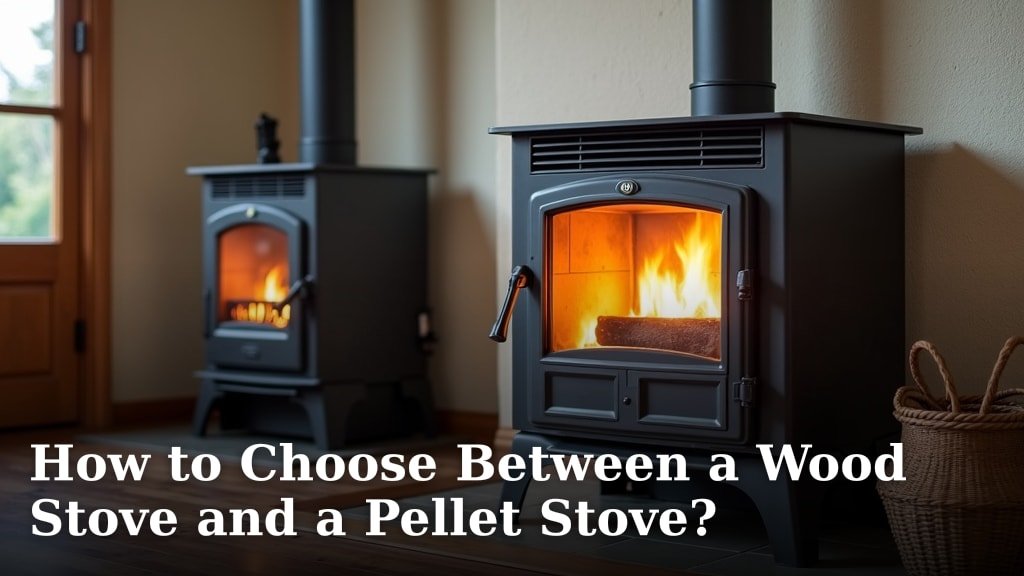
Read how to choose between a wood stove and a pellet stove if you want to compare those two options. If smoke and upkeep are part of your decision, our article on whether pellet stoves are cleaner than wood stoves explains what to consider.
A heat pump may also fit into a home's heating plan alongside a stove. See whether you can use a wood stove with a heat pump before deciding how the systems could work together.
What should you know about emissions and indoor air?
Both coal and wood are combustion fuels, so the appliance needs proper venting and routine care. A stove's fuel type alone doesn't tell you its emissions or indoor air impact.
Wood smoke contains fine particles and other pollutants, according to the EPA's guidance on wood smoke. Dry, seasoned wood and efficient operation can reduce smoke, but they don't make burning emissions-free.
Ask for emissions information for the specific stove, and check whether local rules restrict solid-fuel use. Those rules may affect what you can install or burn, regardless of which fuel seems more convenient.
Have the stove and venting installed and inspected according to the manufacturers' instructions and local requirements. Keep working carbon monoxide alarms in the home, and don't use a stove with a damaged flue or a smoke problem until it has been checked.
Which products are relevant to this comparison?
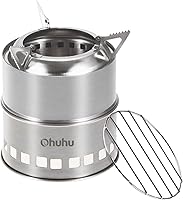
A home coal or wood stove is different from a small electric hookah coal burner or a portable outdoor stove. The products below serve those narrower uses, so don't treat them as substitutes for a home heating appliance.
How should you compare stove costs and upkeep?
Compare the total setup and fuel routine for each exact model before deciding. Include installation, approved venting, fuel delivery, storage, cleaning, and service in your planning.
Ask installers for a written estimate that identifies the stove, vent components, required clearances, and any work to the home. Fuel costs vary by place and season, so compare local prices for the amount each model is expected to use rather than relying on broad averages.
Check the owner's manual for cleaning intervals and parts that need periodic attention. Ask the seller or installer what maintenance is routine, which tasks you can do safely, and when a professional should inspect the system.
What should you choose: coal or wood?
Choose wood when you can store and handle the approved firewood supply; choose coal only when a coal-designed stove, reliable fuel supply, and suitable installation all line up. The model's instructions and your local rules decide what is safe and allowed.
Before buying, confirm the stove's approved fuel, heating guidance, venting requirements, and maintenance routine. If you're unsure whether a stove or chimney is suitable, get advice from the manufacturer and a qualified installer.
For most buyers, the practical choice is the fuel they can source and manage consistently with a stove made for that fuel. Compare specific models on that basis, then plan installation and safe operation before the first fire.
Frequently asked questions
Is a coal stove hotter than a wood stove?
There isn't one answer for every stove. Heat output depends on the appliance design, fuel, and how you operate it.
Compare the manufacturer's output and approved fuel for the exact models, then match that to the area you need to heat rather than assuming coal or wood always burns hotter.
Can you burn coal in a wood stove?
Only burn coal if the stove manufacturer says that exact stove is designed and approved for it. A wood stove may not have the firebox or airflow coal needs, and using an unapproved fuel can damage the appliance or create a safety hazard.
Check the manual and stove label first.
Which stove is easier to fuel?
The easier stove is the one whose fuel you can reliably source, store, and handle. Wood needs a dry storage plan and regular loading; coal needs an available supplier and a way to store and manage that fuel.
Check local rules and the stove manual before choosing.
Does a coal stove need a chimney?
A solid-fuel stove needs a venting system approved for that appliance and fuel. Follow the stove and vent manufacturers' instructions, and have a qualified professional assess installation and inspection needs.
Don't assume an existing wood-stove chimney is suitable for a coal model.
Is a wood stove cleaner than a coal stove?
Cleanliness depends on the appliance, fuel quality, operation, and what you mean by clean. Wood produces smoke and fine particles, especially when it burns poorly or is wet.
Check emissions information for the exact model, burn only approved fuel, and follow its maintenance instructions.