What Size Fire Pit Should I Buy?
On this page (4 sections)
The best fire pit size depends on your space and how you plan to use it. For most patios, a 36 to 44-inch diameter offers a great balance of warmth and social space. It’s big enough for a group but won’t overwhelm a standard backyard.
We found that the ideal size is really about matching your seating arrangement and fuel type. A smaller bowl is perfect for intimate gatherings, while a larger, rectangular pit can serve as a true centerpiece. Many experts say this is the first decision you should make.
- A small 20-30 inch pit works best for 2-4 people on a balcony.
- A mid-sized 36-44 inch pit suits most patios and groups of 6-8.
- A large 48+ inch pit is for open spaces and bigger entertainment.
- Always measure your available space first, leaving 3 feet of clearance.
- Consider if you want to cook, which may influence the shape.
Below, we break down exactly how to measure your space and choose the perfect size for your needs. Let’s walk through the key factors step by step.
How to Pick the Perfect Fire Pit Size for Your Space
The right fire pit size is the one that fits your physical area and your social style. It’s not just about looks. A pit that’s too small will feel sad and lonely. A pit that’s too large can be a safety hazard and a waste of space. You need to balance function and form. Think of it like choosing a dining table. You wouldn’t buy a 12-seat table for a small kitchen. The same logic applies to your backyard.
We found that sizing mistakes are the most common regret among fire pit owners. Many experts say measuring your space should be step one, not step five. This guide will walk you through the process, from pulling out a tape measure to deciding on a shape. Let’s get you set up for many cozy evenings.
Why Fire Pit Size Matters More Than You Think
Choosing the right size impacts safety, comfort, and how much you actually use the pit. A properly sized pit becomes the heart of your patio. A poorly sized one ends up collecting dust.
Safety First: Clearances and Regulations
Your number one concern should be safety. Most local fire codes and safety organizations, like the National Fire Protection Association (NFPA), recommend a minimum clearance. You need at least 3 feet of open space between the fire pit and any structure, furniture, or overhanging branches. That’s on all sides. A 40-inch pit in a 5-foot wide space is a disaster waiting to happen. Always check your local rules first.
This clearance isn’t just about the pit itself. Think about your seating. Chairs need space around the fire. People need to walk past safely. If you crowd everything together, you’re creating a tripping hazard. Many patio guidelines suggest a total seating diameter of at least 7 feet around a medium-sized pit. This ensures everyone is at a safe distance from the flames but still feels the warmth.
Comfort and Social Space: The Sweet Spot
Comfort is the other half of the equation. A fire pit is for gathering. You want everyone to be able to see each other and the fire. If the pit is too large, your friends feel far apart. It’s like shouting across a big room. If it’s too small, you’re all huddled together, elbow to elbow.
Many designers say the “sweet spot” for conversation is when people are 3 to 6 feet from the center of the fire. A 36-inch diameter pit works well for a group of six because it puts everyone in that comfort zone. You’ll be close enough to feel the heat but far enough to have your own space. This balance is what makes a fire pit feel inviting.
Measuring Your Outdoor Space the Right Way
Before you look at a single product, grab a tape measure. This step is non-negotiable. It will save you time, money, and a major headache.
Step-by-Step Measurement Guide
Follow these steps to find your perfect fit. It’s simpler than you think.
- Find Your Center Point. Decide where you want the pit to go. Mark the center with a stake or a piece of tape.
- Measure Outward. Use a string or tape measure to see how far you can go in every direction. Look for obstacles like walls, fences, and downspouts.
- Account for Clearance. Remember the 3-foot rule. If your available space is 8 feet wide, your max pit diameter is 2 feet, not 8 feet. You need room on both sides.
- Consider the Shape. A round pit fits differently than a square one. A rectangular pit might be better for a long, narrow deck. Measure the largest dimension available.
- Test It Out. Use string or cardboard to outline the pit’s footprint. Live with it for a day. Does it block a walkway? Does it feel too big or too small?
This process feels tedious, but it’s crucial. Many homeowners skip it and regret it. You don’t want to assemble a huge pit only to realize it blocks the back door.
Common Pitfalls to Avoid
Don’t just measure for the pit itself. Also, measure for the seating area. A big pit with no room for chairs is useless. Don’t forget about overhead clearance if you have a pergola or low branches. Also, check if your patio can support the weight. Some large, built-in pits can be very heavy.
Another common mistake is forgetting about storage. If you plan to cover it or store it in winter, you need space to put it away. A massive pit might not fit in your garage or shed. Plan for the whole lifecycle, from purchase to storage.
Understanding the Impact of Fuel Type on Size
The fuel you choose can influence the ideal size. Wood-burning and gas pits have different characteristics.
Wood-Burning vs. Gas: A Size Comparison
Wood-burning pits often have a larger footprint. The fire needs air, and the woodpile takes up space. They are often bowl-shaped and wider. A wood-burning pit is more about the flames and the smoke. It’s a rustic experience. Many experts suggest a slightly larger bowl for wood to manage the wood pieces safely.
Gas pits can be more compact. The flames are controlled by a burner, so the pit doesn’t need to be as wide. They are cleaner and easier to maintain. Many gas pits are rectangular or square, making them great for defined spaces. They can be a smaller 30 inches and still feel substantial because the flame is a focused centerpiece.
Match the Pit to Your Group Size
Your typical gathering size is the most practical guide. A solo reader needs a different size than someone who hosts block parties. Let’s break it down by group.
Intimate Gatherings (2-4 People)
For small balconies or cozy patios, a 20 to 30-inch diameter pit is ideal. It’s compact, efficient, and creates an intimate setting. You and a few friends or family can sit close. This size is easy to move and store. It’s perfect for roasting marshmallows without a crowd. Many apartment dwellers choose this size for its convenience.
A small pit like this is also great for couples. It creates a romantic atmosphere without overwhelming the space. You don’t need a huge fire for two people. The heat is focused, and the conversation stays close. It’s a simple, elegant choice for smaller spaces.
Medium-Sized Groups (6-8 People)
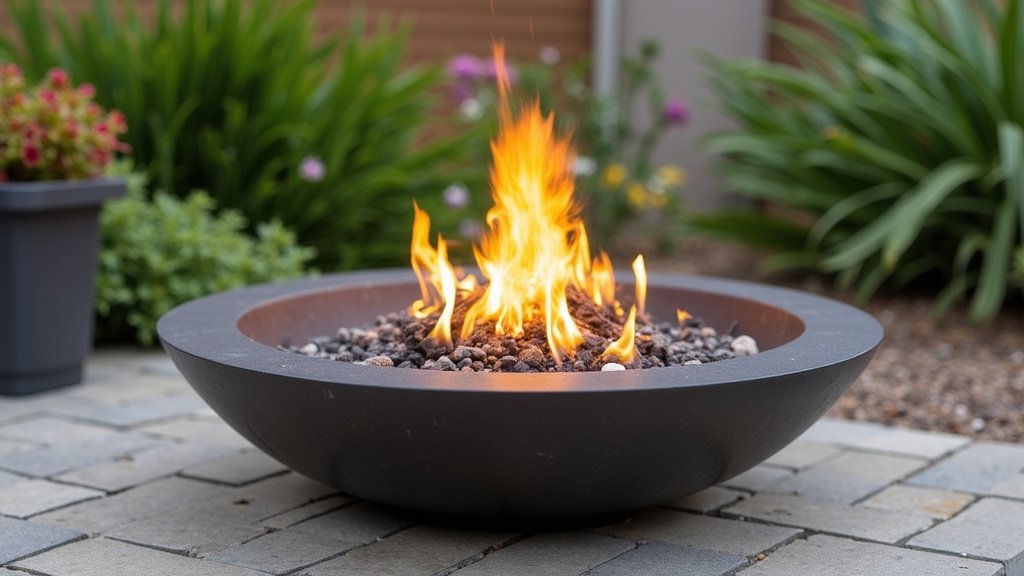
This is the most common size for average backyards. A 36 to 44-inch diameter pit strikes the perfect balance. It’s large enough to warm a group but not so big that it dominates the patio. You can fit about six chairs around it comfortably. This size works well for most social situations, from family gatherings to friend meetups.
Many fire pit experts say this range is the best all-around choice. It offers enough surface area for a decent fire but doesn’t require a massive amount of space. You can find great options in both wood-burning and gas models. This is the safe bet for most homeowners.
Larger Entertainment (10+ People)
If you love hosting big parties, you need a 48-inch or larger pit. These are statement pieces for open yards and large patios. They become the focal point of your outdoor space. You can fit a lot of people around a big pit. It’s like having an outdoor living room.
But remember, bigger is not always better. A large pit requires a significant open area. You’ll need at least a 10-foot by 10-foot space just for the pit and seating. It’s a major commitment. Make sure you have the space and the frequent use to justify the size. Otherwise, it might feel like a waste.
Comparing Fire Pit Sizes at a Glance
This table can help you visualize the differences.
Conclusion
Choosing the right fire pit size comes down to a few simple factors: your available space, your typical group size, and the fuel type you prefer. We found that most backyards are best served by a 36 to 44-inch diameter pit. It offers the ideal blend of warmth and social comfort without overwhelming your patio. Remember to always measure your area first and account for the 3-foot safety clearance around the pit. Your next step is to grab a tape measure and map out your outdoor space. Then, pick a size that fits both your yard and the memories you want to create.
Frequently Asked Questions
What is the smallest fire pit I can buy?
The smallest fire pits are often around 20 to 24 inches in diameter. They are perfect for balconies or very small patios. These are designed for 2-3 people to enjoy a cozy, intimate fire. They are also easy to store when not in use.
Do I need a special base for a fire pit?
Yes, you should place your fire pit on a non-flammable surface like concrete, brick, or stone. Using it on grass or a wooden deck can be a fire hazard. Some areas may require a dedicated fire pit pad or stand for safety.
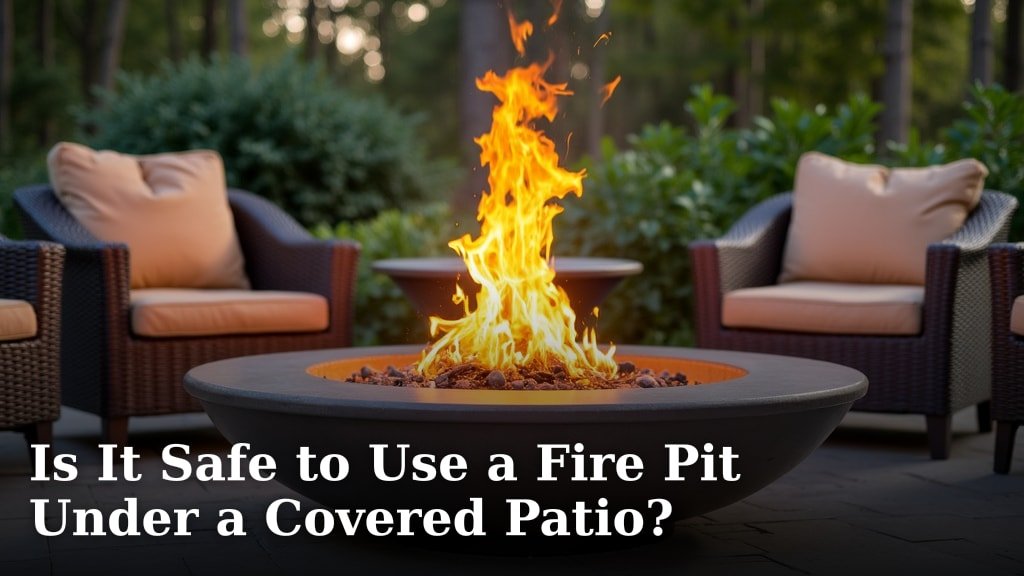
Can I use a fire pit under a covered patio?
Using a fire pit under a covered patio is generally not recommended. The smoke and heat can damage the ceiling or create a fire risk. If you have a covered space, consider a propane or natural gas pit with proper ventilation, but always check local building codes.
How do I know if my fire pit is too big for my yard?
If you cannot maintain the 3-foot clearance on all sides, the pit is too big. Measure the total area from the pit’s edge to walls, fences, or furniture. A pit that blocks walkways or feels cramped is a safety hazard and not worth the risk.
What size fire pit is best for roasting marshmallows?
A mid-sized pit of 30 to 36 inches works well for roasting. It gives everyone a safe spot to sit while still providing enough heat. For a larger group, you might need a bigger pit to keep everyone comfortable. Always use long roasting sticks for safety.