Can Patio Heaters Be Used Indoors?
Most patio heaters should not be used indoors. Outdoor propane models can create carbon monoxide and need outdoor ventilation; use a heater indoors only if its instructions specifically approve indoor use.
On this page (7 sections)
- Can patio heaters be used indoors safely?
- Why are propane patio heaters different from indoor heaters?
- Can an electric patio heater be used inside?
- What should you check before bringing a patio heater inside?
- Which patio heater type belongs indoors?
- What should you do if a heater is already running indoors?
- How can you choose a safer heater for a room?
Most patio heaters should not be used indoors. Outdoor propane heaters burn fuel and can produce carbon monoxide, while electric patio heaters are suitable inside only when the model's instructions allow indoor use.
A patio heater's shape or heat output doesn't tell you whether it is safe in a closed room. Check the fuel, indoor-use label, manual, ventilation needs, and clearances before you turn it on.
Can patio heaters be used indoors safely?
Use a patio heater indoors only if the manufacturer specifically approves that model for indoor use. If it is marked for outdoor use, keep it outside, including away from enclosed porches, sheds, and garages.
Propane patio heaters need air to support combustion, and their exhaust can build up in enclosed spaces. Carbon monoxide is an odorless gas that can cause serious harm; an open window is not a substitute for the heater's stated ventilation requirements.
For a patio model, follow the manual for required distance from walls, ceilings, furniture, and other materials that can burn. When it is stored outdoors, a waterproof patio heater cover can help protect it.
Don't assume a large room, high ceiling, or open garage door makes an outdoor heater safe to use inside.
Why are propane patio heaters different from indoor heaters?
A propane patio heater burns fuel at the point of use, so it needs outdoor ventilation. Its outdoor design and safety features do not make it suitable for enclosed rooms.
A portable outdoor model such as Amazon Basics has a 46,000 BTU propane burner, wheels, and a tilt shutoff feature. Those details describe an outdoor heater, not approval for indoor operation.
The Hykolity is also an outdoor propane heater, with a 50,000 BTU output and wheels. Its mention of indoor use in a product bullet does not override the model's indoor/outdoor classification, which identifies it as outdoor.
Never bring a propane patio heater indoors to warm a garage, workshop, tent, or enclosed porch. If you're comparing fuel-burning models, read our guides to using a propane heater indoors and using a kerosene heater indoors.
Can an electric patio heater be used inside?
Some electric patio heaters are marked for both indoor and outdoor use, but check the exact model's instructions first. Electric heating avoids combustion gases at the heater, yet hot surfaces, placement, and electrical requirements still matter.
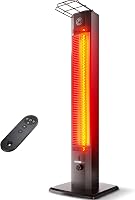
The AEROZY model is described for indoor and outdoor use and runs on electricity. Its listed features include 9 heat settings, a timer, and a remote control.
Before using any electric patio heater indoors, confirm that its manual allows your room type and explains required clearances. Keep it away from curtains, bedding, paper, and furniture, and plug it in only as the manual directs.
For an outdoor electric model, don't infer indoor suitability from the fact that it has no fuel tank or exhaust. If the model's instructions do not clearly allow indoor use, choose a heater intended for rooms.
What should you check before bringing a patio heater inside?
Read the heater's manual and label before placing it indoors. Confirm the allowed location, fuel, clearances, ventilation, and power needs for the exact model.
Check whether it is labeled for indoor use, outdoor use, or both. If the label and manual conflict or leave the location unclear, contact the manufacturer before operating it inside.
For fuel-burning heaters, look for explicit instructions about ventilation and carbon monoxide safety. A carbon monoxide alarm is a useful safety device in a home, but it does not make an outdoor heater safe to operate indoors.
For electric heaters, check the manual for outlet requirements and placement. Don't use damaged cords or extension cords unless the manufacturer says they are allowed.
Which patio heater type belongs indoors?
**A heater specifically approved for indoor use is the right choice for a room. Outdoor propane models belong outside, while an electric patio model can be considered indoors only when its manual says so.
If you want warmth for outdoor seating, start with our Best Patio Heater For Patios guide. For a propane option, see Best Propane Heater For Patios, and compare Best Hanging Patio Heaters if floor space is limited.
For larger outdoor areas, our Best Patio Heater For Backyards guide can help you compare patio-focused options. None of these outdoor recommendations should be treated as an indoor-use list.
What should you do if a heater is already running indoors?
Turn off an outdoor fuel-burning heater and move everyone to fresh air if you can do so without delay or risk. If anyone feels dizzy, weak, nauseated, or confused, leave the space and call emergency services.
Don't re-enter to retrieve belongings or investigate the heater. Follow local emergency guidance and have the space checked before using it again.
How can you choose a safer heater for a room?
Choose a model labeled for indoor use and follow its instructions for the room, clearances, and power or fuel source. For electric heat, the AEROZY is one option described for indoor and outdoor use, subject to its manual's directions.
Keep any heater on a stable surface with open space around it. Turn it off when leaving the room or going to sleep unless the manual specifically allows that use.
If you're shopping for patio warmth, use outdoor models only in the locations their manuals permit. For a wood-fueled option, compare wood pellet patio heaters.
If you're shopping for a bedroom, living room, or garage, start with heaters designed and approved for that indoor setting.
Frequently asked questions
Can a propane patio heater be used inside a garage?
Usually, no. A garage is an enclosed space, and an outdoor propane heater can produce carbon monoxide as it burns fuel.
Use a propane heater indoors only when its manual specifically permits that location and gives the required ventilation and clearances; keep the garage door open only if the instructions say that is enough.
Can an electric patio heater be used indoors?
Some electric patio heaters are approved for indoor use, but the heater's instructions and rating determine where it can operate. Check the exact model's indoor-use guidance, required clearances, and electrical needs.
A model described for both indoor and outdoor use may be an option if its manual confirms your room is suitable.
Why are patio heaters usually for outdoor use?
Many patio heaters burn propane or another fuel and release combustion gases, including carbon monoxide. Outdoor models also need clearances around hot surfaces and stable placement.
Their heat output and design may not suit enclosed rooms, so follow the model's instructions instead of relying on its patio use or appearance.
What should I use to heat a room instead?
Choose a heater that is labeled and designed for indoor use, then follow its manual for placement, clearances, and electrical or fuel requirements. An indoor-rated electric heater avoids fuel combustion in the room, but it still has hot surfaces and must be kept clear of items that can burn.