9 Best Fuel for Kerosene Heaters (October 2026)
The best kerosene heater fuel include the Hyoola Liquid Paraffin Lamp Oil for lamp oil odor concerns, the Gas One 6 pack 6 Hour Chafing for buffet food warming, and the Ner Mitzvah 1 Gallon Paraffin Lamp Oil for oil lamps and lanterns.
On this page (6 sections)
The best fuel for a kerosene heater is clean kerosene approved by the heater maker. These picks include one clearly labeled kerosene fuel, plus other heating and lamp products that show why checking fuel type and appliance compatibility matters.
Before buying fuel, find the exact heater model and read its manual. If you're choosing a heater for a workshop or garage, compare it with our guide to the Best Kerosene Heater For Garages.
Our picks at a glance
-
1

-
2

-
3
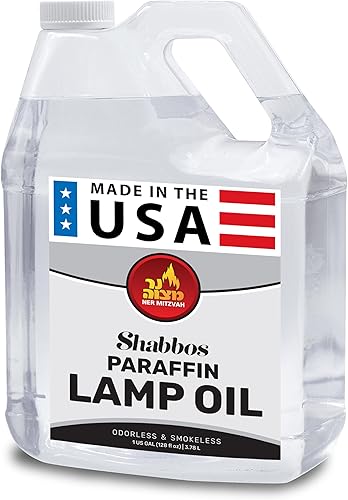 Best for oil lamps and lanterns
Ner Mitzvah 1 Gallon Paraffin Lamp Oil
9.5/10 our score
See it on Amazon
- 4
 Best for a kerosene heater referenceCheck it
- 5
 Best for refillable propane needsCheck it
- 6
 Check it
GasOne Liquid Paraffin Lamp Oil
Best for sealed gallon packaging - 7
 Check it
Coleman 32oz Kerosene Fuel Perfect for Camping
Best for compatible camping appliances - 8
 Best for low-odor lamp useCheck it
- 9
 Best for approved gel fireplacesCheck it
Which kerosene heater fuel is the best match?
Coleman 32oz Kerosene Fuel is the strongest fuel match here because it is kerosene and names Coleman kerosene appliances as a use. Check your heater’s instructions before use, even when the fuel type appears to match.
Hyoola Liquid Paraffin Lamp Oil: Best for lamp oil odor concerns
- Paraffin lamp oil
- Clear, smokeless and odorless claims
- 1 gallon
A paraffin lamp oil option for lamps and lanterns where odor and smoke are a concern. It is not identified as kerosene heater fuel, so confirm compatibility before use.
Pros
- Paraffin fuel type is identified
- Odorless and smokeless claims
- Spout is designed to fill cans and canisters
Cons
- Not identified for kerosene heaters
- No heater compatibility details
Hyoola Liquid Paraffin Lamp Oil is described as clear, smokeless and odorless lamp oil for indoor and outdoor use. The brand also says it is refined for a clean burn with less smoke and odor than kerosene.
That makes it a consideration for compatible lamps and lanterns when odor matters. It is paraffin lamp oil, not identified kerosene heater fuel, so don't use it in a heater unless that model’s instructions explicitly permit it.
Gas One 6 pack 6 Hour Chafing: Best for buffet food warming
- Diethylene chafing fuel
- Wick and lid opener included
- Intended for chafing dishes
This wick fuel is intended to keep food warm in chafing dishes. Its appliance purpose does not make it a substitute for kerosene heater fuel.
Pros
- Specific food-warming use
- Wick and opener included
- Cans can be capped after cooling
Cons
- Not identified for kerosene heaters
- Fuel type differs from kerosene
Gas One 6 pack 6 Hour Chafing is a diethylene fuel with a wick, made to keep food warm in chafing dishes. Each can has a cap opener, and the instructions describe placing the can in a safe surface or chafing fuel holder.
This is for buffet food warming, not space heating in a kerosene heater. Its fuel type and intended appliance differ, so keep it out of a kerosene heater tank.
Ner Mitzvah 1 Gallon Paraffin Lamp Oil: Best for oil lamps and lanterns
- Paraffin lamp oil
- 1 gallon
- Designed for oil lamp and lantern wicks
This paraffin oil is made for suitable oil lamp and lantern wicks. It is not specified for kerosene heaters, so use it only in a device whose instructions approve it.
Pros
- Paraffin fuel type is identified
- Wick compatibility guidance is given
- Indoor and outdoor lamp use
Cons
- Not identified for kerosene heaters
- Not for floating or non-lamp wicks
Ner Mitzvah’s one gallon paraffin oil is intended for oil lamps, lanterns and torches. Its wick guidance is specific: use with wicks made for oil lamps or lanterns, not floating wicks or other cotton wicks.
For kerosene heaters, the important detail is what this oil is not: it is not identified as heater fuel. Use only if your heater’s manual explicitly approves paraffin lamp oil.
Kero World: Best for a kerosene heater reference
- Indoor kerosene heater
- Manufacturer recommends clean kerosene
- Removable fuel tank
This is a kerosene heater, not a fuel container. Its product description says to use clean kerosene, which reinforces checking heater instructions before filling.
Pros
- Kerosene heater appliance
- Clean kerosene recommendation
- Portable heater design
Cons
- Not a fuel purchase
- No kerosene grade details
Kero World is a heater rather than a fuel container, but its product description calls for clean kerosene. That makes it a useful reference for the central buying rule: start with the heater’s fuel instructions, not a claim that a liquid is clean or low odor.
The heater is described as portable and for indoor, outdoor and emergency heating. Follow the manual for this exact appliance, and use the fuel grade its maker approves.
Mr. Heater Fuel Keg.: Best for refillable propane needs
- Refillable 16 oz propane tank
- Requires separate refill kit
- Tool-free operation claim
This refillable tank is for propane, a different fuel from kerosene. Consider it only for a propane appliance designed for that tank and refill system.
Pros
- Propane fuel type is clear
- Refillable tank design
- Refill kit requirement is stated
Cons
- Not kerosene
- Refill kit sold separately
Mr. Heater Fuel Keg is a refillable 16 oz propane tank that requires a separate refill kit.
Propane is not kerosene, so this tank belongs only with a compatible propane appliance and refill setup.
Don't use it as a substitute for kerosene or pour propane into a kerosene heater. Choose fuel based on the appliance label and manual.
GasOne Liquid Paraffin Lamp Oil: Best for sealed gallon packaging
- Paraffin lamp oil
- 1 gallon bottle
- Secure cap packaging claim
This gallon of paraffin oil is intended for lamps, lanterns and torches. It is not stated to be kerosene heater fuel, so verify the heater manual before considering it.
Pros
- Paraffin fuel type is identified
- Multipurpose lamp and lantern use
- Secure cap packaging claim
Cons
- Not identified for kerosene heaters
- No heater compatibility details
GasOne Liquid Paraffin Lamp Oil comes in a one gallon container and is described for lamps, lanterns, torches and emergency lights. Gas One also highlights secure packaging.
The intended uses are lighting devices, not kerosene heaters. If odor is your concern, compare the fuel's intended use with the room guidance in Can You Use a Kerosene Heater Indoors?, then follow your heater manual.
Coleman 32oz Kerosene Fuel Perfect for Camping: Best for compatible camping appliances
- Kerosene fuel
- 32 oz bottle
- Coleman kerosene appliance use
This is the clearest fuel match among these picks because it is kerosene and is intended for Coleman kerosene appliances. Check whether your specific heater allows it before filling.
Pros
- Kerosene fuel type
- Compact 32 oz bottle
- Stated use includes Coleman kerosene appliances
Cons
- Specific heater compatibility still needs checking
- Bottle may be small for repeated heating
Coleman 32oz Kerosene Fuel is the only product in this group explicitly identified as kerosene fuel. Its stated uses include Coleman kerosene appliances, hurricane lamps and tiki torches, and the 32 oz bottle is sized for portable use.
That makes it the closest fit for a kerosene heater, but the brand's appliance guidance matters. Confirm that your heater model accepts this fuel before you fill it, and store the bottle upright in a cool, dry place away from heat and flames.
Firefly: Best for low-odor lamp use
- Clean-burning lamp oil claims
- 32 oz
- Intended for lamps, lanterns, candles and torches
Firefly is described as low odor lamp oil for lamps and lanterns. It is not identified as kerosene heater fuel, so don’t treat it as interchangeable.
Pros
- Low-odor and low-soot claims
- Lamp and lantern use
- Compact container
Cons
- Not identified for kerosene heaters
- Fuel type is lamp oil
Firefly is described as low-odor lamp oil for lamps, lanterns, candles and torches. Those odor and soot claims may matter for a compatible lamp, but they do not guarantee heater compatibility.
Treat it as lamp oil unless your heater maker specifically approves it. A fuel that smells less noticeable can still be wrong for the heater.
Real Flame Gel Fuel Cans: Best for approved gel fireplaces
- Gelled isopropyl alcohol
- 13 oz cans
- For approved Real Flame fireplaces
These cans are gel fireplace fuel for approved Real Flame fireplaces and fire features. Their fuel and appliance type do not match a kerosene heater.
Pros
- Fuel type is identified
- Intended appliance use is specific
- Cans are designed for approved fireplaces
Cons
- Not kerosene
- Not for kerosene heaters
Real Flame Gel Fuel Cans contain gelled isopropyl alcohol and are intended for approved Real Flame indoor or outdoor fireplaces. For a separate fireplace-fuel question, see burning charcoal in a fireplace.
The cans are not kerosene, and the specified fireplace use does not fit a kerosene heater.
Keep gel fuel in its intended appliance. Do not transfer it to a heater tank or use it as a kerosene alternative.
What should you check before buying kerosene heater fuel?
Check the heater manual for the approved fuel type and any required grade, then match those words to the fuel container. A shared phrase such as “clean burning” or “indoor use” does not prove compatibility.
The Coleman bottle is identified as kerosene fuel, while the lamp oils are paraffin or lamp oil. The other options include diethylene chafing fuel, propane and gelled alcohol, each intended for a different appliance or task.
Does lamp oil work in a kerosene heater?
Don't assume lamp oil works in a kerosene heater. The paraffin oils and Firefly in this group are described for lamps, lanterns and torches, while the heater example calls for clean kerosene.
If your manual specifically approves a particular lamp oil, follow its instructions. Otherwise, choose fuel identified for your heater.
How do indoor odor concerns affect fuel choice?
Odor claims can help you compare fuels meant for lamps, but they don't mean a fuel is suitable for a heater or that a heater can be used in a given room. Treat compatibility and indoor safety as separate checks.
Read the instructions for your heater and room setup before use. Our guide on using a kerosene heater indoors covers the indoor-use question.
How should you store heater fuel?
Follow the fuel container’s storage instructions and the heater maker’s directions. For the Coleman fuel, the care instructions say to store it upright in a cool, dry place away from heat sources and open flames, out of reach of children and pets.
Keep the container sealed after use and away from direct sunlight. Don't store fuel in a vehicle or where children can reach it.
Which kerosene heater fuel should you choose?
Choose Coleman 32oz Kerosene Fuel if your heater manual approves that kerosene fuel and you want a portable bottle. Choose a paraffin lamp oil only for a compatible lamp, and keep propane, chafing fuel and gel fuel in their intended appliances.
The deciding rule is simple: match the fuel type to the heater manual before filling. If the manual does not clearly approve a fuel, ask the heater maker before using it.
Our top 3 picks at a glance
-
1
-
2
-
3
Best for oil lamps and lanterns
Ner Mitzvah 1 Gallon Paraffin Lamp Oil
9.5/10 our score
See it on Amazon
Frequently asked questions
What fuel should you use in a kerosene heater?
Use the clean kerosene grade approved in your heater manual. The Kero World heater description recommends clean kerosene, but requirements can vary by appliance.
Check the manual and fuel label before filling, and don't assume lamp oil or another liquid fuel is a safe substitute.
Can you use paraffin lamp oil in a kerosene heater?
Only if the heater maker specifically approves that fuel. Paraffin lamp oils here are described for lamps, lanterns and torches, not kerosene heaters.
A similar liquid form or an odorless claim does not confirm appliance compatibility.
Does odorless fuel mean it is safe to burn indoors?
No. An odorless claim alone does not confirm that a fuel is safe for your heater or room.
Use only the fuel and ventilation setup approved by the heater maker.
For broader room and ventilation guidance, read Can You Use a Kerosene Heater Indoors?.
Can propane or chafing fuel run a kerosene heater?
No, unless an appliance is specifically designed and approved for that fuel. Propane, diethylene chafing fuel and kerosene are different fuel types with different intended devices.
Never pour a substitute into a kerosene heater tank.