Is Carbon Monoxide a Risk with Wood Stoves?
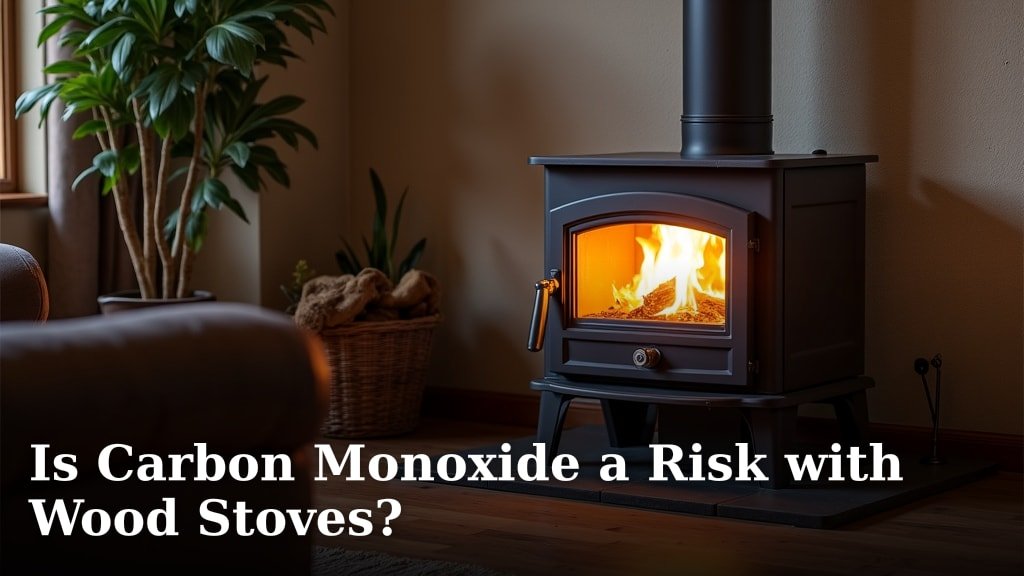
Yes, carbon monoxide is a risk with wood stoves if they aren’t installed or maintained correctly. This silent, odorless gas can be deadly, so safety is key when you heat your home with wood.
You might wonder, “Am I really at risk?” We found that improper ventilation or a cracked stove can let CO into your home. Understanding how wood stoves work safely is crucial for your peace of mind and health.
- Wood stoves can produce carbon monoxide.
- Improper setup or maintenance increases the risk.
- Carbon monoxide is a dangerous, undetectable gas.
- Safety measures like detectors are very important.
- Understanding the risks helps you stay safe.
Let’s walk through everything you need to know about ensuring your wood stove is safe and doesn’t pose a carbon monoxide threat to your home and family.
Understanding Carbon Monoxide and Wood Stoves
Yes, wood stoves can produce carbon monoxide (CO). This happens when the wood doesn’t burn completely. Your stove creates heat, but it also creates exhaust gases. CO is one of those gases. It’s a natural byproduct of combustion.
Think of it like your car’s exhaust. You wouldn’t want that inside your house, right? A wood stove is similar. It needs a clear path for its exhaust to leave your home safely. Without proper ventilation, CO can build up indoors. That’s why understanding this risk is so important for your safety.
The Silent Danger of Carbon Monoxide
Carbon monoxide is often called the “silent killer.” This isn’t just a dramatic phrase; it’s a grim truth. We found that you can’t see it, smell it, or taste it (CDC).
This makes CO incredibly dangerous. You won’t know it’s there until you start feeling sick. And by then, it might be too late. That’s why preventative measures are non-negotiable for anyone with a wood stove.
How CO Affects Your Body
When you breathe in CO, it enters your bloodstream. It then replaces the oxygen in your red blood cells. Your organs and tissues are starved of oxygen. This can lead to serious health problems or even death.
Even low levels of CO exposure can cause symptoms. These might include headaches, dizziness, nausea, and fatigue. Higher levels lead to confusion, collapse, and loss of consciousness. It’s a very serious health hazard.
Common Causes of CO Leaks from Wood Stoves
Many factors can cause a wood stove to leak CO into your home. It’s usually about installation, maintenance, or operation. Knowing these common causes helps you prevent them.
We found that most CO incidents with wood stoves are preventable. A little attention to detail goes a long way. Let’s look at the main culprits.
Improper Installation and Ventilation
This is probably the biggest risk factor. A wood stove isn’t just “plug and play.” It requires careful installation. The chimney and venting system must be sized and installed correctly.
If your chimney is too short, too narrow, or has too many bends, it might not draw properly. This means smoke and CO can back up into your living space. We found that professional installation is highly recommended to avoid these issues.
- Incorrect chimney size: Too small or too large for your stove.
- Blocked chimney: Soot, creosote, or debris can obstruct the flue.
- Poor draft: Not enough airflow to pull smoke up and out.
- Missing or faulty chimney cap: Can allow birds or debris in.
Cracks and Damage to the Stove or Flue
Over time, wood stoves can develop wear and tear. Cracks in the stove body or the flue pipe are major red flags. These openings create pathways for CO to escape.
Even small cracks can be dangerous. They might not seem like a big deal. But remember, CO is invisible. It doesn’t need a large opening to leak into your home. Regular inspections are key here.
Checking your stove’s door seal is also important. If it’s worn out, air can leak in. This affects the stove’s efficiency and can contribute to incomplete combustion.
Incomplete Combustion and Fuel Type
CO is a product of incomplete combustion. This means the wood isn’t burning efficiently. Several things can cause this. Using wet or unseasoned wood is a common one.
Wet wood struggles to burn hot. It smolders and produces more smoke and CO. You want dry, seasoned hardwood for the cleanest burn. Don’t burn trash or treated wood, either. These can release toxic fumes.
Here’s a quick look at how fuel affects CO production:
| Fuel Type | CO Risk (Relative) | Notes |
|---|---|---|
| Dry, Seasoned Hardwood | Low | Burns hot and clean, less smoke. |
| Wet or Green Wood | High | Smolders, produces more smoke and CO. |
| Softwoods (e.g., Pine) | Medium | Burns faster, can produce more creosote. |
| Treated Wood/Trash | Very High | Releases toxic chemicals and CO. |
Always aim for a hot, bright fire with minimal smoke. That’s a sign of efficient combustion.
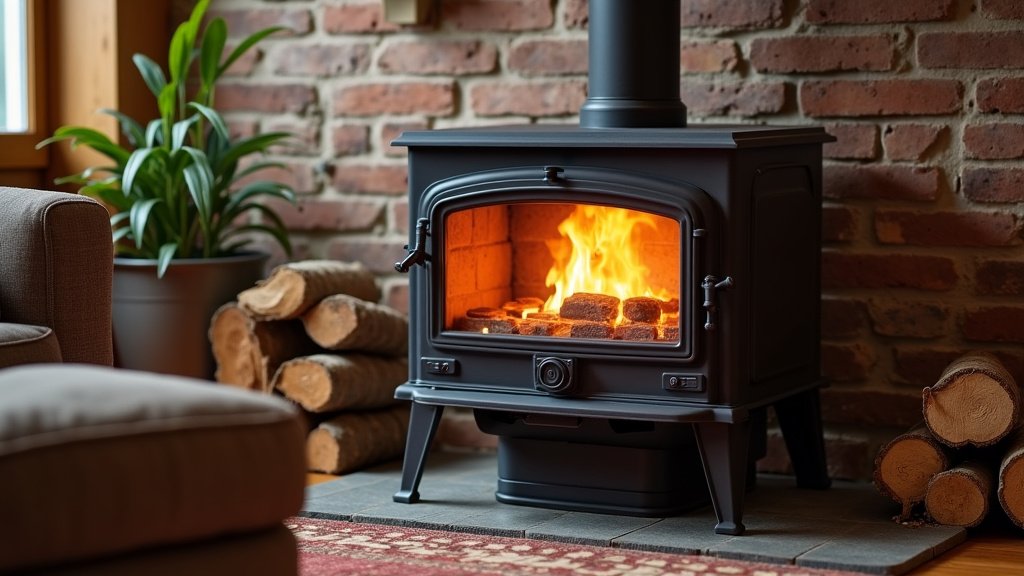
Essential Safety Measures for Wood Stove Users
Your safety is our top priority. Thankfully, there are many simple steps you can take to minimize CO risks. These measures are straightforward and effective.
Don’t cut corners when it comes to safety. It’s about protecting yourself and your loved ones. Let’s make sure your wood stove is a source of warmth, not worry.
Install and Maintain Carbon Monoxide Detectors
This is your first line of defense. CO detectors are absolutely critical. They’re like smoke detectors, but for an invisible gas. We found that you should have at least one detector on each level of your home (NFPA).
Place them near sleeping areas and also near the wood stove itself. Test them monthly. Replace batteries twice a year, or when the alarm chirps. These devices truly save lives.
Professional Installation and Annual Inspections
Always have a certified professional install your wood stove. They understand local codes and safety standards. This ensures everything is set up correctly from day one.
Don’t stop there! An annual professional inspection of your stove and chimney is a must. A certified chimney sweep will check for blockages, cracks, and proper draft. They can spot problems you might miss.
Proper Operation and Fuel Choice
Using your stove correctly makes a big difference. Only burn dry, seasoned wood. This creates a hot, efficient burn. It reduces smoke and CO production.
Avoid “over-firing” your stove. This means burning too hot, which can damage the stove or chimney. Also, don’t let your stove smolder for long periods. A weak, smoky fire is a CO risk. Aim for a lively, bright flame.
Ensure Adequate Ventilation and Air Supply
Your wood stove needs air to burn properly. If your home is very airtight, you might need to provide a fresh air supply. This could be an outside air kit connected to the stove.
Sometimes, simply opening a nearby window slightly can help. This provides combustion air and helps prevent a negative pressure situation. Negative pressure can pull exhaust gases back into your home.
Your Wood Stove Safety Checklist
Ready to make sure your wood stove is as safe as possible? Use this quick checklist to guide you:
✔ Install CO detectors on every level, especially near bedrooms and the stove.
✔ Test your CO detectors monthly and replace batteries regularly.
✔ Have your stove and chimney professionally installed and inspected annually.
✔ Only burn dry, seasoned wood; avoid wet wood, trash, or treated lumber.
✔ Maintain a hot, active fire; avoid smoldering conditions.
✔ Regularly check for visible cracks in the stove and flue pipes.
Following these steps helps ensure your wood stove provides warmth without the hidden danger of carbon monoxide.
Conclusion
You now know that carbon monoxide is a real risk with wood stoves if you’re not careful. But you also have the tools to prevent it. By understanding how CO forms and what causes leaks, you can protect your home. Your vigilance in maintenance and proper operation truly makes all the difference.
So, take action today. Install those CO detectors, schedule your annual inspection, and always burn safely. Your peace of mind and family’s health depend on these simple steps. Stay warm, and stay safe!
Frequently Asked Questions
Can a wood stove cause carbon monoxide poisoning even if it’s new?
Yes, even new wood stoves can pose a CO risk. Improper installation is often the culprit. A new stove still needs correct venting and professional setup. Always follow manufacturer guidelines carefully.
How can I tell if my wood stove is producing carbon monoxide?
You can’t see, smell, or taste carbon monoxide. This is why it’s so dangerous. The only way to know for sure is by having working CO detectors. They are your warning system for this invisible gas.
What are the first signs of carbon monoxide poisoning from a wood stove?
Initial symptoms can be vague, often feeling like the flu. Look for headaches, dizziness, nausea, and fatigue. If these symptoms clear up when you leave your home, CO might be the cause. Seek fresh air immediately.
Is it safe to sleep with a wood stove burning overnight?
Yes, it can be safe if your stove is properly installed, maintained, and you have working CO detectors. Ensure good ventilation and that the stove isn’t smoldering. Never leave an uninspected or faulty stove burning.
Does opening a window prevent carbon monoxide buildup from a wood stove?
Opening a window can help provide some fresh air for combustion and dilute CO. However, it’s not a substitute for proper installation, maintenance, and CO detectors. Relying solely on an open window is unsafe.