What Is a Smokeless Fire Pit?
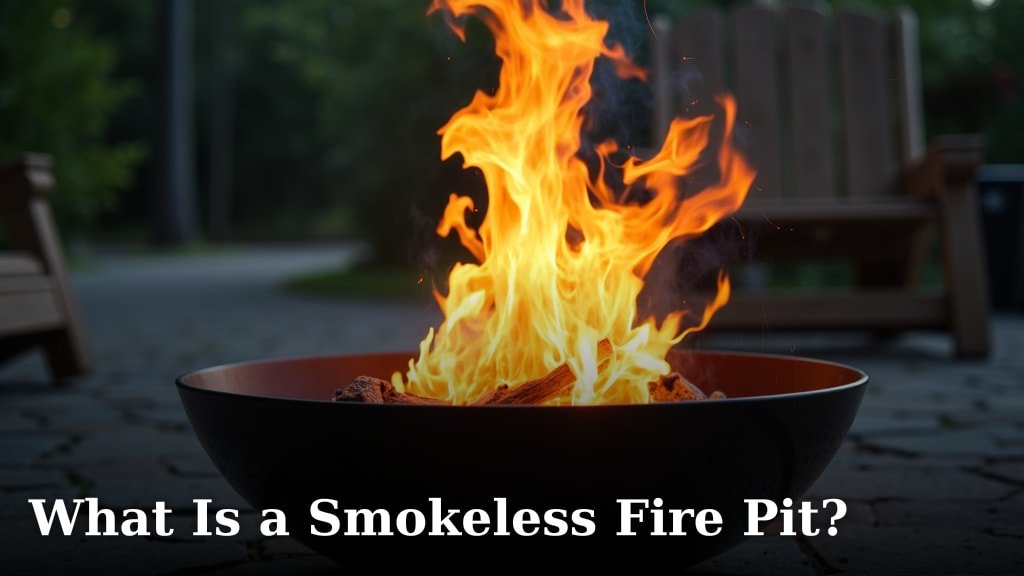
A smokeless fire pit is a backyard fire pit designed to burn wood more efficiently, significantly reducing the amount of smoke it produces. It achieves this by using a clever airflow system. This design helps you enjoy a fire without constantly dodging smoke.
You know that annoying dance you do when smoke follows you around a traditional campfire? A smokeless fire pit aims to eliminate that irritation. We found that these pits create a much cleaner, more enjoyable backyard experience for everyone. To find the perfect match for your outdoor space, consider our guide to the best fire pit for backyards.
- Smokeless fire pits burn wood very efficiently.
- They produce significantly less smoke than regular fire pits.
- Special airflow designs make them work.
- You can enjoy fires without constant smoke.
- They offer a much cleaner backyard experience.
Ready to learn how these amazing devices work their magic and find the right one for your backyard? Let’s dive into all the details you need to know about smokeless fire pits.
Understanding Smokeless Fire Pit Technology
A smokeless fire pit uses a clever design to make your fire cleaner and more enjoyable. It burns wood very efficiently, which means less smoke ends up in your eyes. This is all thanks to how air moves inside the pit.
You might wonder, how does it actually work? It’s all about airflow and a process called secondary combustion. Think of it like a mini-furnace in your backyard.
How Does a Smokeless Fire Pit Work?
The magic of a smokeless fire pit comes from its unique construction. Most models feature a double-walled design with strategically placed holes. This setup creates a specialized airflow system.
When you light a fire, the primary air intake draws air in from the bottom. This air feeds the main fire, helping your wood burn.
As the fire heats up, some of this primary air also travels up between the double walls. This pre-heated air then exits through a second set of holes near the top of the burn chamber. What happens next is key.
The Role of Secondary Combustion
The pre-heated air mixes with unburnt smoke particles and gases rising from your primary fire. Because this air is so hot, it causes these particles to ignite. This process is called secondary combustion.
Instead of floating away as smoke, those particles burn up, creating more heat and fewer visible emissions. This is why you see those mesmerizing flames dancing above the logs, almost like a natural gas fire. We found this secondary burn is what truly sets these pits apart from traditional models.
- Primary Air Intake: Air enters from the bottom, feeding the main fire.
- Double-Walled Design: Creates a channel for air to heat up.
- Secondary Air Jets: Hot air exits near the top of the burn chamber.
- Secondary Combustion: Unburnt smoke particles reignite, creating less smoke.
- Increased Efficiency: More heat is generated from the same amount of wood.
Benefits of Owning a Smokeless Fire Pit
Beyond just less smoke, there are several reasons why a smokeless fire pit might be perfect for you. We’ve seen firsthand how they can transform a backyard gathering.
Enjoying a Smoke-Free Experience
The most obvious benefit is the dramatic reduction in smoke. No more musical chairs trying to avoid the smoke plume! You can actually sit around the fire and enjoy conversation without your eyes watering or your clothes smelling like a campfire.
This means more comfort for everyone, especially those sensitive to smoke. Think about guests with allergies or young children – they can enjoy the warmth without the irritation. Many people we spoke with reported a much more relaxing atmosphere.
Increased Heating Efficiency
Because smokeless fire pits use secondary combustion, they burn wood more completely. This means you get more heat from each log. It’s like getting more bang for your buck with your firewood supply.
The fire tends to burn hotter and brighter, providing a stronger focal point for your outdoor space. You’ll often notice a steady, consistent heat output.
Less Odor on Clothes and Hair
Have you ever spent an evening by a traditional fire pit and woken up the next day smelling like smoke? With a smokeless fire pit, that’s far less likely to happen. The reduced smoke means significantly less residue on your clothes, hair, and even furniture.
We found this makes cleanup easier and lets you transition from a cozy fire to indoor activities without needing a complete change of wardrobe.
Cleaner Burn and Environmental Impact
Burning wood more completely isn’t just good for you; it’s also better for the environment. Fewer unburnt particles released into the air means fewer pollutants. We found that the cleaner burn contributes to better air quality in your immediate surroundings.
While any wood-burning fire produces some emissions, a smokeless pit reduces harmful particulate matter compared to a traditional fire pit (Environmental Protection Agency).
Comparing Smokeless to Traditional Fire Pits
You might be wondering, what’s the real difference between a smokeless fire pit and the classic backyard fire pit you grew up with? While both provide warmth and ambiance, their operation and user experience are quite different.
Key Differences in Design and Function
Traditional fire pits are often simple bowls or rings that contain a fire. They allow air to feed the fire from the bottom or sides, but they lack the specialized airflow system of a smokeless pit.
This simpler design means that smoke, which consists of unburnt wood particles and gases, rises directly from the flame and disperses into the air. That’s why you often see thick plumes of smoke.
Smokeless fire pits, with their double walls and secondary combustion, actively work to re-burn those smoke particles. This leads to a much cleaner, more efficient burn.
| Feature | Smokeless Fire Pit | Traditional Fire Pit |
|---|---|---|
| Smoke Output | Significantly reduced | High, often bothersome |
| Airflow System | Double-walled, secondary burn | Basic, open-air intake |
| Heat Efficiency | Higher, more complete burn | Lower, heat can escape easily |
| Odor Retention | Minimal on clothes/hair | Noticeable, strong campfire smell |
| Price Point | Generally higher | Generally lower |
Choosing the Right Fit for Your Lifestyle
Your choice depends on what you value most. If you want a simple, budget-friendly option for occasional fires and don’t mind a bit of smoke, a traditional pit might suffice. However, if you seek comfort, efficiency, and a truly enjoyable smoke-free experience, a smokeless fire pit is likely the better investment.
Think about how often you plan to use it and who will be around the fire. For frequent use or for those sensitive to smoke, the benefits of a smokeless pit truly shine.
Types of Smokeless Fire Pits
Not all smokeless fire pits are created equal! When you start looking, you’ll notice there are different styles and materials. Each type has its own advantages, so let’s explore your options.
Portable vs. Permanent Installations
Most smokeless fire pits you see are portable. These are usually made from stainless steel and are designed to be moved. They are perfect for taking to a campsite, a friend’s house, or simply repositioning in your yard as needed.
Permanent installations are less common for true smokeless technology, but some larger, custom-built outdoor fireplaces can incorporate similar principles. These are built into your patio or landscape and are not meant to be moved.
Material Matters: Stainless Steel vs. Other Metals
Most popular smokeless fire pits are made from stainless steel. Why stainless steel? We found it offers excellent durability, heat resistance, and corrosion resistance. It holds up well against the elements and high temperatures.
Some less expensive models might use other metals, but these may not last as long or hold up as well to extreme heat. Always check the material specifications when you’re comparing models.
Fuel Types for Your Fire Pit
While the focus here is on wood-burning smokeless fire pits, it’s worth noting other fuel options. Some fire pits are designed for propane or natural gas. These are inherently “smokeless” because they don’t produce the particulate matter of burning wood.
However, when we talk about a “smokeless fire pit,” we usually mean a wood-burning one that has been engineered to reduce smoke. So, if you love the crackle and aroma of a wood fire, a true smokeless wood-burning pit is your best bet.
What to Look for When Buying One
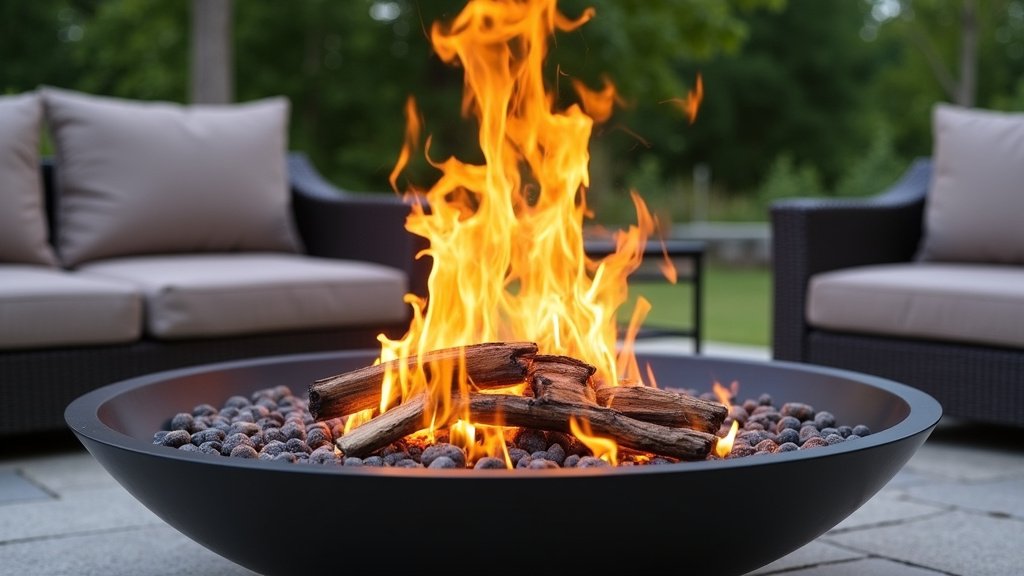
Ready to get your own smokeless fire pit? Fantastic! To help you choose the right one, here’s a quick guide on what features to consider. We want to make sure you find the perfect match for your outdoor space.
Key Features and Considerations
When you’re browsing, keep these points in mind. A little bit of research now can save you headaches later.
- Size and Weight: How big do you want your fire to be? Will you need to move it often?
- Material: As discussed, stainless steel is a top choice for durability.
- Accessories: Does it come with a cover, stand, or spark screen?
- Ease of Cleaning: Look for models with removable ash pans for simple cleanup.
- Brand Reputation: Some brands are known for their quality and customer support.
- Price: Smokeless fire pits can range significantly in cost, so set a budget.
Safety First: Tips for Operation
Even with less smoke, fire safety is always crucial. Here are some important tips to keep in mind:
Always place your fire pit on a non-combustible surface, like concrete or pavers. Keep it a safe distance from structures, trees, and anything flammable (National Fire Protection Association).
Use dry, seasoned wood. Wet or “green” wood creates more smoke, even in a smokeless pit. Don’t overload your fire pit; keep the flames within the confines of the burn chamber.
Have a water source or fire extinguisher nearby. Never leave a fire unattended, and make sure the fire is completely out before you call it a night. Your safety, and the safety of those around you, is paramount.
Conclusion
You now understand how a smokeless fire pit works its magic. Its clever design means less smoke and more heat, creating a much more enjoyable outdoor experience for everyone. We’ve seen how they transform backyard gatherings, letting you relax without constantly shifting to avoid smoke.
Considering the comfort, efficiency, and cleaner burn, a smokeless fire pit is a worthwhile upgrade for any outdoor space. It offers benefits for your comfort and the environment. Ready to enjoy cozy evenings with friends and family?
Take the next step and explore the different types available to find the perfect smokeless fire pit for your home.
Frequently Asked Questions
Can I use a smokeless fire pit on a wood deck?
No, you should not place a smokeless fire pit directly on a wood deck. Even with reduced smoke, these pits generate significant heat from the bottom.
Always place your fire pit on a non-combustible surface like concrete, pavers, or a specialized fireproof mat to prevent damage and fire hazards.
Do smokeless fire pits get hot on the outside?
Yes, smokeless fire pits do get hot on the outside, especially around the burn chamber. Their double-walled design helps with airflow but doesn’t make the exterior cool to the touch.
Exercise caution and keep children and pets a safe distance away when the fire pit is in use.
How long does it take for a smokeless fire pit to become “smokeless”?
A smokeless fire pit typically starts producing significantly less smoke once it reaches operating temperature. This usually happens after 10-15 minutes of burning, as the secondary combustion system fully engages.
Initial lighting might still produce some smoke until the wood is fully ignited and the airflow system is hot enough to re-burn particles.
What kind of wood is best for a smokeless fire pit?
For the best performance and least smoke, use dry, seasoned hardwood in your smokeless fire pit. Examples include oak, maple, or cherry.
Avoid using wet wood, softwoods like pine, or treated lumber, as these will create more smoke and creosote, even in a smokeless design.
Are smokeless fire pits safe for cooking?
Some smokeless fire pits offer specific accessories, like grates, that allow for cooking. However, not all models are designed for it.
Check your fire pit’s manufacturer guidelines before attempting to cook over it. Always ensure any cooking accessories are specifically made for your model.