What Firewood Burns the Hottest?
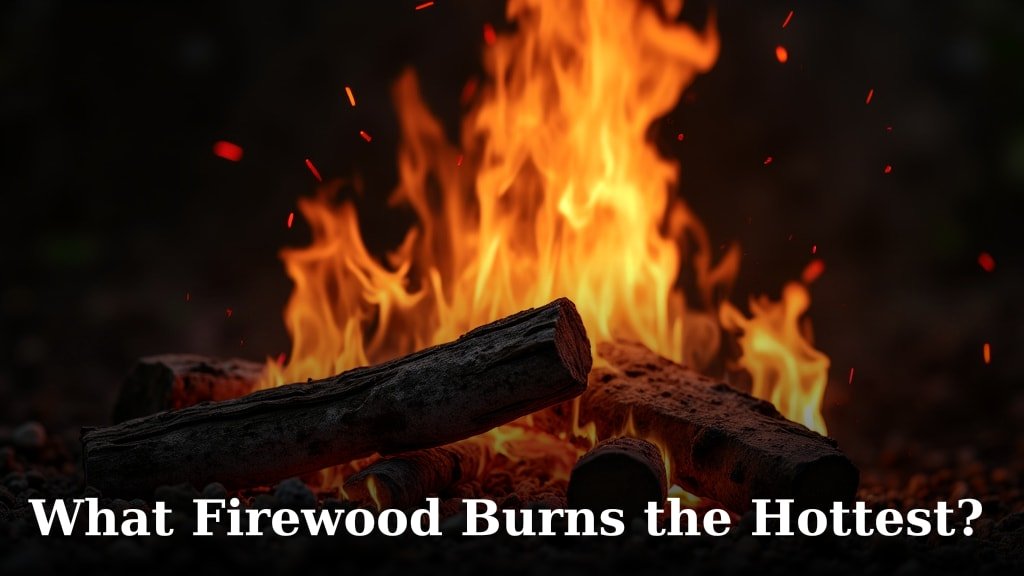
When you want the most heat from your fire, dense hardwoods are your best bet. We found that Osage Orange, Shagbark Hickory, and Black Locust generally burn the hottest. These woods offer a long-lasting, efficient burn for your fireplace or wood stove.
Choosing the right firewood makes a big difference in heating your home. You’ll get more warmth and a longer burn time from high-BTU woods. We also considered factors like coaling properties and how much ash is produced. It’s all about getting the most out of your firewood pile.
- Hardwoods like Osage Orange and Hickory burn hottest.
- Denser woods provide more BTUs and longer burn times.
- Properly seasoned wood is key for maximum heat.
- Softwoods burn faster and produce less heat.
- Finding local, sustainable wood sources is a good idea.
Ready to get cozy? Let’s look at the best firewood options that will keep you warm all season long.
Understanding Firewood Heat Output
You want to know which firewood delivers the most warmth, right? It all comes down to a simple measurement called BTU output. BTU stands for British Thermal Unit. It’s how we measure energy content in fuel.
Simply put, a higher BTU number means more heat from the same amount of wood. Think of it like comparing different snacks. Some snacks give you more energy than others, even if they look similar.
The Role of Wood Density
So, what makes some wood burn hotter than others? It’s mostly about wood density. Denser woods have more wood fiber packed into the same space.
Imagine a small log of very dense wood versus a large log of very light wood. The dense log will likely give you more heat. It has more fuel molecules inside it. This also means it will burn longer and more steadily.
Seasoning: Your Firewood’s Secret Weapon
Even the densest wood won’t burn well if it’s not seasoned. What does “seasoned” mean? It means the wood has been dried properly. Freshly cut wood, often called “green wood,” holds a lot of water.
Burning wet wood is like trying to boil water in your fire. A lot of the heat energy gets wasted just evaporating that moisture. We’ve found that properly seasoned wood (with a moisture content below 20%) burns hotter and cleaner. It also produces less smoke and creosote buildup in your chimney (USDA Forest Service).
Top Firewood Choices for Maximum Heat
Now for the good stuff! Which woods should you be looking for? We found that hardwoods consistently outperform softwoods when it comes to heat output. They are denser and have a higher BTU content.
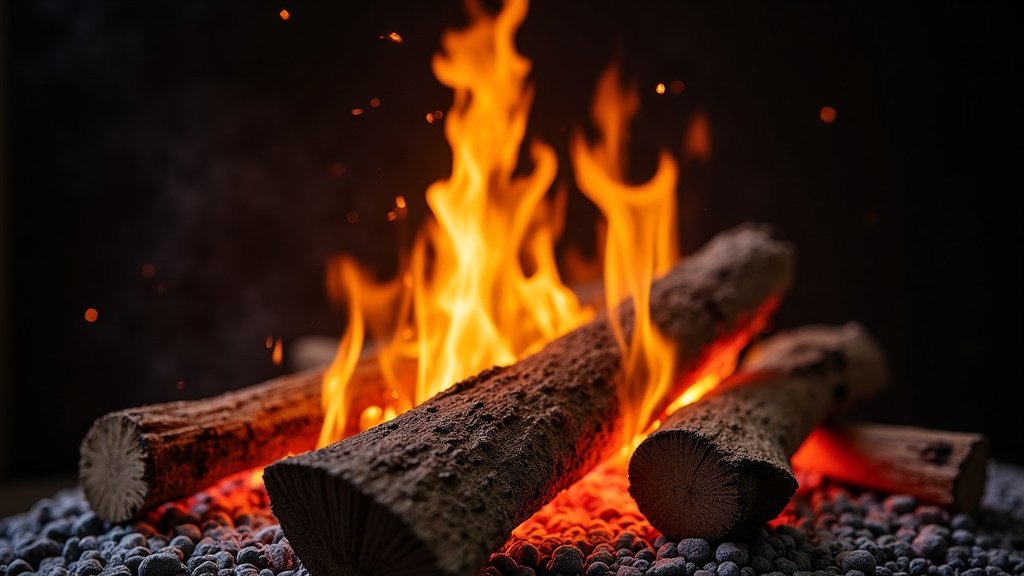
These woods will help you keep your home toasty without constantly feeding the fire. They offer excellent coaling properties, meaning they produce hot embers that radiate heat for a long time.
The Hardwood Champions
Here are some of the best hardwoods for burning, based on their high BTU ratings and burning characteristics:
- Osage Orange: Often considered the king of firewood. It’s incredibly dense and produces an intense, long-lasting heat. It also has great coaling properties.
- Shagbark Hickory: Another fantastic choice. It burns very hot and for a long time. Hickory is also known for its pleasant aroma.
- Black Locust: This wood is very hard and dense. It produces excellent heat and coals well. It’s a great option if you can find it.
- Oak (Red & White): A popular and reliable choice. Oaks burn hot and for a long time, making them a staple for many wood burners. White Oak often burns a bit hotter than Red Oak.
- Sugar Maple & Ash: Both are excellent hardwoods. They offer good heat output and burn efficiently. Ash is particularly nice because it can be burned relatively “greener” than other woods, though still better seasoned.
Mid-Range Performers
These woods still provide good heat, but maybe not as intensely or for as long as the champions:
- Birch (Yellow & White): Offers decent heat and a nice aroma. White birch has a distinctive papery bark.
- Cherry (Black): Burns with good heat and a pleasant smell. It’s a bit less dense than oak but still a good choice.
- Elm: Can be difficult to split due to its interlocking grain, but once seasoned, it burns well with good heat.
Softwoods: When to Use Them
Softwoods, like pine or cedar, have lower density. This means they burn faster and produce less heat per log. So, should you avoid them completely? Not necessarily!
Softwoods can be great for starting a fire. They catch quickly and help get your denser hardwoods going. They also create a nice, quick blaze for aesthetic purposes (e.g., a short fire in a fire pit). Just don’t rely on them for sustained heat.
Comparing Common Firewood Types (Table)
To give you a clearer picture, here’s a table comparing some common firewood types. We’re looking at their relative heat output, burn time, and a few other key characteristics. Remember, these are averages and can vary slightly.
| Wood Type | Relative Heat Output (BTUs/Cord) | Burn Time | Coaling Properties | Key Characteristics |
|---|---|---|---|---|
| Osage Orange | Very High (32-34 Million) | Very Long | Excellent | Dense, hot, long-lasting. |
| Hickory | Very High (28-30 Million) | Long | Excellent | Dense, hot, good aroma. |
| Oak (Red/White) | High (24-26 Million) | Long | Very Good | Reliable, steady heat. |
| Ash | High (24 Million) | Medium-Long | Good | Burns well, even if “green.” |
| Maple (Sugar) | High (24 Million) | Medium-Long | Good | Good heat, moderate smoke. |
| Birch | Medium (20-22 Million) | Medium | Fair | Pleasant smell, fast starter. |
| Pine | Low (16-18 Million) | Short | Poor | Quick starter, lots of smoke/creosote. |
Factors Beyond Wood Type
While wood type is crucial, a few other things can impact how much heat you get. Don’t overlook these details. They can make a big difference in your overall fire experience.
The Importance of Seasoning Again
We can’t stress this enough: seasoned wood is paramount. Green wood can contain up to 50% water by weight. That’s like trying to light a sponge! It leads to smoldering fires, excessive smoke, and very little useful heat.
Seasoning typically takes 6 to 12 months, sometimes longer for very dense woods like oak. You’ll know it’s ready when the wood has developed cracks at the ends, sounds hollow when hit, and its bark might be peeling. The color will also be duller, not bright and fresh.
Log Size and Loading Technique
How you load your fire can also affect heat output. Smaller pieces of wood catch fire faster and produce a quicker burst of heat. Larger, denser logs burn slower and provide sustained heat.
For a long-lasting fire, start with smaller pieces to establish a good ember bed, then add larger, seasoned hardwood logs. Don’t overload your firebox, as this can reduce airflow and lead to a less efficient burn (EPA recommendations for wood stoves).
Your Firewood Checklist
Want to ensure you’re getting the best bang for your buck and the most heat from your fire? Here’s a quick checklist to help you choose and use your firewood effectively:
- Is the wood a dense hardwood, like oak, hickory, or Osage orange?
- Is the wood properly seasoned (dry, cracked ends, dull color)?
- Does it have a low moisture content (ideally below 20%)?
- Is it free from rot, mold, or insect infestation?
- Are you storing it off the ground and covered to prevent re-wetting?
- Are you using smaller pieces to start and larger pieces for sustained heat?
Following this checklist will significantly improve your fire’s performance. You’ll get more heat and spend less time fussing with a smoky, inefficient blaze.
Conclusion
Getting the most heat from your firewood boils down to a few key principles. You want dense hardwoods like Osage Orange, Hickory, or Oak. We found these consistently deliver the highest BTUs. Remember, proper seasoning is non-negotiable for an efficient, hot burn. It prevents wasted energy and chimney issues.
By choosing the right wood and preparing it correctly, you’ll enjoy a warmer home with less effort. Use our checklist to ensure your firewood stack is ready to provide maximum comfort. Get ready to experience the satisfying warmth of a well-fueled fire!
Frequently Asked Questions
What’s the absolute hottest burning wood you can get?
Based on our research, Osage Orange consistently ranks as one of the hottest burning woods. It’s incredibly dense and produces an intense, long-lasting heat output, often exceeding 30 million BTUs per cord when seasoned.
Does burning softwood damage my chimney?
Softwoods, especially when not fully seasoned, burn quickly and produce more smoke and creosote. This can lead to faster buildup in your chimney. While occasional use for kindling is fine, relying on them for heat can increase your risk of a chimney fire. Always aim for seasoned hardwoods.
How can I tell if my firewood is seasoned enough?
Properly seasoned wood will have visible cracks on the ends, feel lighter than green wood, and make a hollow sound when two pieces are knocked together. The bark may also be loose or peeling. The ideal moisture content is below 20%.
Is it better to burn large logs or smaller pieces for heat?
It’s best to use a combination. Smaller pieces ignite faster and help establish a good fire bed. Once you have a strong ember base, add larger, dense hardwood logs. These will burn slower and provide more sustained heat over a longer period.
Can I mix different types of wood in my fire?
Absolutely! Many people mix woods. You might start with some softwood kindling, then add mid-range hardwoods like birch, and finish with a long-burning, high-BTU wood like oak or hickory for sustained heat. This strategy optimizes your fire’s efficiency and heat output.