Stone vs. Brick Fireplace: Which Is Better for You?
On this page (11 sections)
Stone fireplaces offer superior durability and heat retention, while brick fireplaces provide better insulation and easier repairs. Your choice depends on your budget, home style, and heating needs.
Stone costs 20-40% more upfront but lasts longer with minimal maintenance, whereas brick offers more design flexibility and lower initial investment.
What Makes Stone and Brick Different?
You’re looking at two completely different materials here. Stone is a natural material that forms over thousands of years. Brick is manufactured clay that’s been fired in kilns.
Think of stone as the rugged outdoor type – it handles weather, heat, and time like a champion. Brick is more like the reliable neighbor – consistent, predictable, and gets the job done well.
Natural Stone Properties
Stone absorbs heat slowly and releases it gradually. This means your room stays warm longer after the fire dies down. I found that granite and limestone are popular choices for fireplace construction.
Stone also handles extreme temperatures without cracking. You won’t see the thermal expansion issues that affect other materials.
Manufactured Brick Properties
Brick heats up faster than stone. It also cools down quicker. This gives you more immediate control over your room temperature.
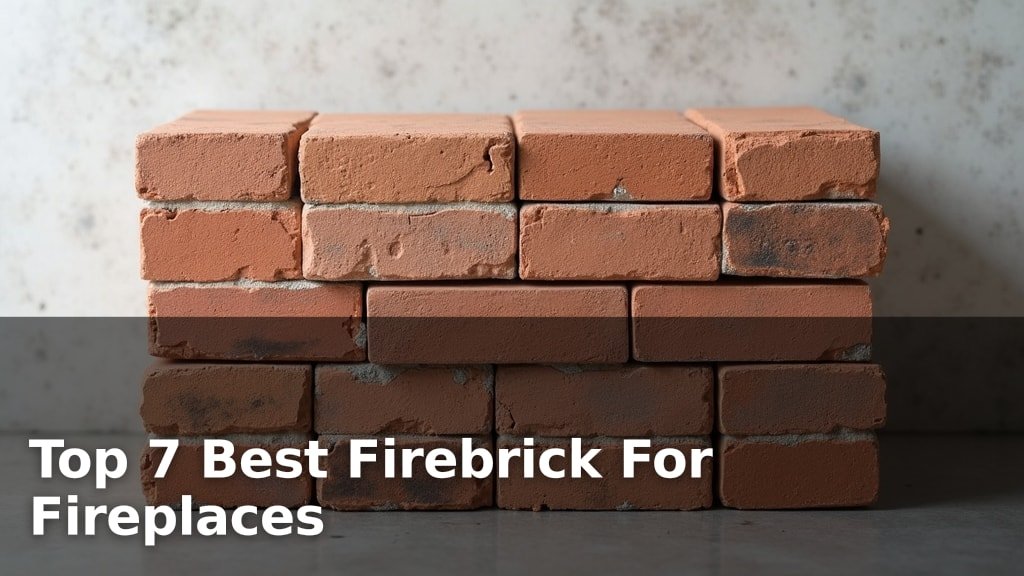
Fire bricks are specially made to handle fireplace heat. If refractory bricks in a wood stove need attention, see how to repair wood stove firebricks. Regular building bricks can crack or crumble in high heat situations.
Cost Comparison: Stone vs Brick
Let’s talk money. Your wallet will feel the difference between these materials right away.
Initial Installation Costs
| Material | Cost per Square Foot | Labor Cost | Total Range |
|---|---|---|---|
| Natural Stone | $15-30 | $20-35/sq ft | $35-65/sq ft |
| Brick | $8-15 | $15-25/sq ft | $23-40/sq ft |
Stone requires skilled masons who charge premium rates. Each stone piece needs careful fitting and placement.
Long-term Maintenance Costs
Stone wins the marathon here. You’ll spend less on repairs and maintenance over 20-30 years. Most stone fireplaces need only occasional cleaning and resealing.
Brick requires more attention. Mortar joints need repointing every 10-15 years. Individual bricks may crack and need replacement.
Annual Maintenance Estimates
- Stone: $50-150 per year (cleaning and minor touch-ups)
- Brick: $150-300 per year (mortar maintenance and brick replacement)
Durability and Longevity Factors
How long will your fireplace last? This question matters when you’re investing thousands of dollars.
Stone Fireplace Lifespan
Stone fireplaces can last 100+ years with proper care. I found examples of medieval stone fireplaces still functioning today. The material doesn’t degrade from heat cycling like other options.
Weather resistance is stone’s superpower. Rain, snow, and temperature changes barely affect natural stone.
Brick Fireplace Lifespan
Quality brick fireplaces last 75-100 years. The weak point isn’t the bricks themselves – it’s the mortar between them.
Freeze-thaw cycles can damage brick over time. Water gets into small cracks and expands when frozen.
Common Failure Points
- Stone: Rare structural failures, occasional surface weathering
- Brick: Mortar deterioration, individual brick cracking, efflorescence (white salt deposits)
Heat Performance and Efficiency
Your heating goals should guide this decision. Do you want quick warmth or long-lasting heat?
Heat Retention Capabilities
Stone acts like a thermal battery. It stores heat during your fire and releases it for hours afterward. Some homeowners report feeling warmth 6-8 hours after their fire ends.
Brick provides moderate heat retention. You’ll get 2-4 hours of warmth after the fire dies down.
Thermal Mass Differences
Thermal mass is your friend in cold climates. Higher thermal mass means more heat storage capacity.
Stone has roughly 2-3 times the thermal mass of brick. This translates to significantly longer heating periods.
Room Heating Patterns
- Stone: Slow warm-up, extended heat release, even temperature distribution
- Brick: Faster warm-up, moderate heat retention, good immediate heating
Design and Aesthetic Options
Your fireplace becomes a room’s focal point. Style matters as much as function here.
Stone Design Flexibility
Natural stone offers unique patterns and textures. No two stone fireplaces look identical. You can choose from slate, granite, limestone, sandstone, or fieldstone.
Stone works with rustic, modern, and traditional designs. It adapts to your home’s personality.
Brick Style Variations
Brick gives you consistent, predictable patterns. You can create geometric designs, arches, and decorative borders easily.
Color options range from classic red to cream, brown, and even black. Different laying patterns create visual interest.
Popular Design Styles
- Stone: Rustic cabin, modern minimalist, Mediterranean villa
- Brick: Colonial traditional, industrial loft, English countryside
Installation Requirements
Your project timeline and contractor needs vary significantly between these materials.
Foundation and Support Needs
Stone requires stronger foundation support. The weight difference is substantial – stone weighs 150-170 pounds per cubic foot compared to brick’s 120-140 pounds.
You may need foundation reinforcement for stone fireplaces in existing homes.
Construction Timeline
Brick installation typically takes 3-5 days for experienced masons. The uniform size speeds up the process.
Stone fireplace facade installation takes 5-8 days. Each piece needs individual fitting and adjustment.
Contractor Requirements
- Stone: Specialized stone mason with natural material experience
- Brick: General mason or experienced bricklayer
Climate Considerations
Where you live affects which material performs better long-term.
Cold Climate Performance
Stone excels in cold regions. The superior thermal mass helps heat your home more efficiently during winter months.
Brick handles cold well but doesn’t store as much beneficial heat.
Humid Climate Challenges
High humidity affects both materials differently. Stone resists moisture absorption better than brick.
Brick can develop efflorescence (white mineral deposits) in humid conditions. This requires periodic cleaning.
Regional Material Availability
- Local stone reduces transportation costs significantly
- Brick is manufactured and available everywhere
- Regional stone varieties offer unique local character
Maintenance Requirements
Your long-term relationship with your fireplace depends on maintenance needs.
Stone Maintenance Tasks
Annual cleaning with appropriate stone cleaners keeps your fireplace looking great. Avoid acidic cleaners that can damage natural stone.
Resealing every 3-5 years protects against staining and moisture penetration.
Brick Maintenance Tasks
Regular mortar inspection prevents small problems from becoming expensive repairs. Look for cracks or crumbling joints.
Tuckpointing (repairing mortar joints) every 10-15 years maintains structural integrity.
Cleaning Methods
- Stone: pH-neutral cleaners, soft brushes, avoid pressure washing
- Brick: Mild detergent solutions, wire brushes for stubborn stains
Environmental Impact
Sustainability matters to many homeowners today. Both materials have environmental considerations.
Stone Environmental Factors
Local stone quarrying has minimal processing requirements. Transportation distance affects the environmental footprint most.
Stone lasts longer, reducing replacement needs over decades.
Brick Environmental Factors
Brick manufacturing requires high-temperature kiln firing. This process consumes significant energy.
Many brick manufacturers now use recycled materials and renewable energy sources.
Making Your Final Decision
Choose stone if you prioritize long-term durability, maximum heat retention, and unique natural beauty. Accept higher upfront costs for lower lifetime expenses.
Choose brick if you want lower initial costs, easier repairs, and consistent appearance. You’ll handle more maintenance but save money upfront.
Decision Factors Checklist
- Budget: Brick wins for immediate affordability
- Longevity: Stone provides better long-term value
- Heating needs: Stone for extended warmth, brick for quick heating
- Style preference: Stone for natural uniqueness, brick for classic consistency
- Maintenance willingness: Stone needs less attention over time
Conclusion
Your stone vs brick fireplace decision comes down to balancing upfront costs against long-term benefits. Stone delivers superior durability and heat performance but demands a higher initial investment. Brick offers affordability and design flexibility with more ongoing maintenance needs.
Consider your climate, budget, and heating goals carefully. Both materials create beautiful, functional fireplaces when properly installed and maintained. The right choice depends on your specific situation and priorities.
What’s the biggest maintenance difference between stone and brick fireplaces?
Stone fireplaces need only occasional cleaning and resealing every 3-5 years, while brick fireplaces require mortar joint repointing every 10-15 years plus more frequent repairs. If you want to change the look of your brick hearth, see our guide to painting a brick fireplace.
Can I install either material in any home?
Stone requires stronger foundation support due to its heavier weight, so older homes may need structural reinforcement. Brick works in most homes without foundation modifications.
Which material increases home value more?
Both add value, but stone fireplaces typically provide higher resale value due to their premium materials and longer lifespan, despite the higher initial cost.
How do repair costs compare between stone and brick?
Stone repairs are less frequent but more expensive when needed, often requiring specialized masons. Brick repairs happen more often but cost less and use readily available materials and contractors.
Which material works better for outdoor fireplaces?
Stone performs better outdoors due to superior weather resistance and freeze-thaw durability. Brick can work outdoors but may require more maintenance in harsh climates.