Infrared Electric Fireplaces: Pros and Cons
On this page (10 sections)
- What Makes Infrared Electric Fireplaces Different
- Major Benefits of Infrared Electric Fireplaces
- Drawbacks to Consider Before Buying
- Types of Infrared Electric Fireplaces
- Shopping Tips and What to Look For
- Installation and Setup Considerations
- Maintenance and Troubleshooting
- Cost Analysis and ROI
- Environmental Impact
- Conclusion
Infrared electric fireplaces combine zone heating technology with realistic flame effects, offering energy efficiency and easy installation without venting requirements.
These units heat objects directly using infrared radiation, making them safer and more cost-effective than traditional gas or wood fireplaces for many homeowners; compare them with the pros and cons of ventless fireplaces too.
What Makes Infrared Electric Fireplaces Different
Think of infrared heat like sunshine on your skin. You feel warm instantly, even on a cool day. That’s exactly how infrared electric fireplaces work.
Regular space heaters warm the air around you. Infrared units heat you and your furniture directly. The result? You feel comfortable faster and use less energy.
The Technology Behind the Warmth
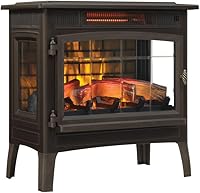
I researched how these units work and found they use quartz tubes or ceramic plates. These components convert electricity into infrared light waves.
Those invisible waves travel through air without heating it. When they hit solid objects like your couch or coffee table, they convert back to heat energy.
Visual Appeal Meets Function
Modern infrared fireplaces don’t just heat your space. They create ambiance with LED flame effects and glowing logs.
You can run the flames without heat during summer. Perfect for creating that cozy feeling year-round.
Major Benefits of Infrared Electric Fireplaces
Energy Efficiency That Shows on Your Bill
From what I read, infrared heating can be 30-50% more efficient than forced-air systems. You’re heating people and objects, not empty air.
Most units pull 1500 watts max. That’s about the same as a hair dryer, but they heat much more effectively.
Zone Heating Saves Money
Why heat your entire house when you’re only using one room? Infrared fireplaces excel at zone heating.
You can lower your main thermostat and heat just the living room. Many homeowners see 10-25% reductions in heating costs this way.
Installation Couldn’t Be Simpler
No gas lines. No chimney. No expensive contractor visits. Most infrared electric fireplaces plug into standard outlets.
I found that wall-mount models take about 30 minutes to install. Freestanding units work right out of the box.
Perfect for Apartments and Condos
Renters love these units because they don’t require permanent modifications. Many apartment complexes that ban traditional fireplaces allow electric models.
Safety Features You’ll Appreciate
No real flames mean no fire hazards. No gas means no carbon monoxide risks. The front glass stays cool enough for kids and pets.
Built-in safety features include:
- Automatic shut-off timers
- Overheat protection sensors
- Cool-touch exteriors
- Tip-over switches on portable models
Indoor Air Quality Benefits
Research shows that infrared heating doesn’t dry out indoor air like forced-air systems do. You won’t wake up with stuffy noses or scratchy throats.
There’s no combustion, so no smoke, ash, or harmful emissions enter your home.
Drawbacks to Consider Before Buying
Heating Capacity Limitations
Let’s be honest about what these units can and can’t do. Most infrared electric fireplaces heat 400-1000 square feet effectively.
They work best as supplemental heat sources. Don’t expect one unit to replace your main heating system in a large home.
Open Floor Plans Present Challenges
Infrared heat works by line-of-sight. If your living room flows into the kitchen and dining area, you might feel cold spots.
Walls and furniture can block infrared rays, creating uneven heating patterns.
Upfront Costs Add Up
Quality infrared electric fireplaces cost $300-2000 or more. Cheap models often break quickly or look obviously fake.
You’ll also see your electric bill increase during heavy use months. While efficient, they still use substantial electricity.
Operating Cost Reality Check
I calculated the numbers based on average electricity rates. Running a 1500-watt unit costs about $0.15-0.30 per hour.
Use it 6 hours daily for a month? That’s $27-54 added to your electric bill.
Maintenance and Longevity Issues
Electric components eventually fail. Infrared bulbs typically last 20,000-50,000 hours, but replacement can be expensive.
The LED flame effects and control boards are harder to fix than simple heating elements.
Types of Infrared Electric Fireplaces
Wall-Mounted Models
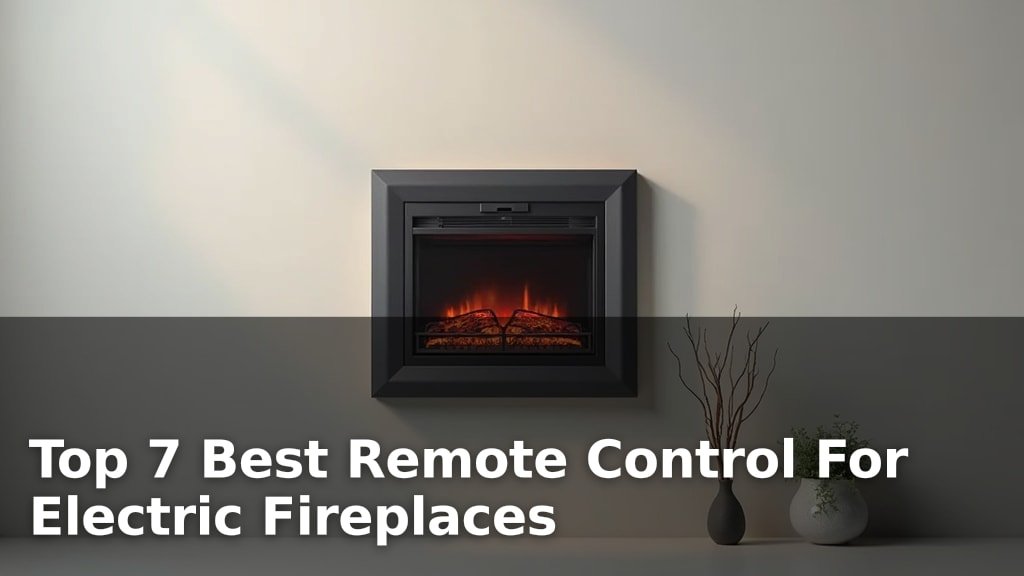
These sleek units mount flat against your wall like a big-screen TV. They save floor space and create a modern look.
Installation requires finding wall studs and running power. Some models recede into the wall for a built-in appearance.
Best for Small Spaces
Apartments and small homes benefit most from wall-mounted designs. You get heating and ambiance without losing precious floor area.
Insert Models for Existing Fireplaces
Got an old wood or gas fireplace you don’t use? Electric inserts transform it into an efficient infrared heater.
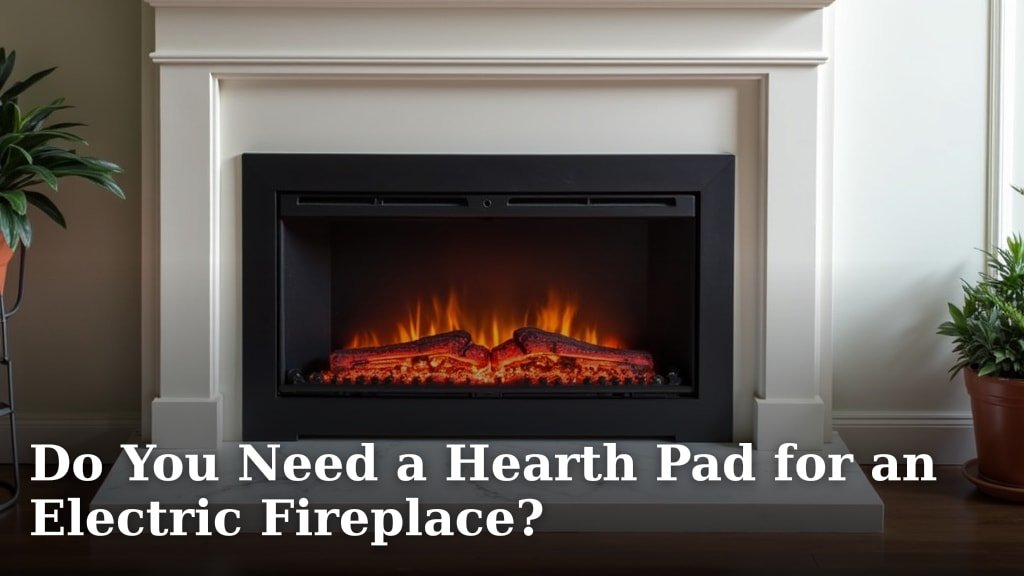
They fit inside your existing firebox and use the surround you already have. Much cheaper than full fireplace renovation.
Freestanding Entertainment Centers
These larger units combine infrared heating with TV stands and storage shelves. Popular for living rooms and master bedrooms.
You get a complete entertainment solution with bonus heating capability.
Mantel Package Options
Want the traditional fireplace look? Mantel packages include decorative surrounds that mimic wood or stone.
They create a focal point in your room while housing the infrared technology.
Shopping Tips and What to Look For
Size Your Unit Correctly
Bigger isn’t always better with infrared heating. Match the unit to your actual space size.
I found that 1000 watts typically heats 100-150 square feet well. Use this as your starting point for calculations.
Measure Your Room Properly
Don’t just multiply length times width. Consider ceiling height, insulation quality, and number of exterior walls.
Older homes or rooms with lots of windows need more heating capacity.
Control Features Worth Having
Remote controls and programmable timers make daily use much more convenient. Who wants to get up to adjust the temperature?
Look for thermostatic controls that maintain your preferred temperature automatically.
Build Quality Indicators
Heavier units often indicate better construction. Check for solid wood mantels versus particle board on decorative models.
Glass quality matters too. Tempered glass resists scratches and provides clearer flame views.
Warranty Protection
Reputable manufacturers offer 2-5 year warranties. Avoid brands that only provide 90-day coverage.
Extended warranties on heating components show manufacturer confidence in their product.
| Feature | Budget Models ($300-600) | Premium Models ($800-2000+) |
|---|---|---|
| Heating Capacity | 400-600 sq ft | 600-1000+ sq ft |
| Flame Realism | Basic LED effects | Multi-color, adjustable flames |
| Control Options | Basic manual controls | Remote, app control, timers |
| Build Quality | Particle board, plastic | Solid wood, metal components |
| Warranty | 1-2 years | 3-5 years |
Installation and Setup Considerations
Electrical Requirements
Most units need dedicated 15-20 amp circuits. Plugging into an outlet shared with other high-draw appliances can trip breakers.
Extension cords are dangerous with these units. The high current draw can overheat cheap cords and create fire risks.
Professional Installation When Needed
Built-in models might require electrical work. Some local codes have specific requirements for fixed electric heating appliances.
When in doubt, consult a licensed electrician. It’s cheaper than dealing with electrical fires or code violations.
Placement for Best Results
Position your unit where people spend the most time. Remember, infrared heating works by line-of-sight.
Avoid placing units behind furniture or in corners where objects block the infrared rays.
Maintenance and Troubleshooting
Regular Cleaning Keeps Things Running
Dust buildup on infrared elements reduces efficiency. Clean the unit monthly when in regular use.
Use a soft brush or vacuum with brush attachment. Never use water on electrical components.
Glass Cleaning for Clear Views
The front glass collects dust and fingerprints over time. Clean it like you would a picture frame with glass cleaner and soft cloth.
Common Problems and Solutions
Unit not heating? Check the circuit breaker first. These appliances draw significant power and can trip weak circuits.
Flames look dim or flickered strangely? LED elements might need replacement. This usually requires professional service.
Cost Analysis and ROI
Comparing Operating Costs
I researched energy costs across different heating methods. Infrared electric heating typically costs more per BTU than natural gas but less than propane or oil.
The zone heating capability can offset higher per-unit energy costs by reducing total usage.
Break-Even Calculations
If you reduce your main heating bill by $30-50 monthly, a $800 unit pays for itself in 16-27 months.
Actual savings depend on your local energy rates and how much you can reduce whole-house heating.
Environmental Impact
Clean Energy Potential
Electric heating is only as clean as your local power grid. Areas with renewable energy see lower environmental impact.
No direct emissions mean better indoor air quality compared to combustion heating methods.
Conclusion
Infrared electric fireplaces offer a compelling blend of efficiency, safety, and convenience for the right applications. They work best as supplemental heating sources in well-insulated spaces up to 1000 square feet.
The main trade-offs come down to heating capacity versus operating costs. While they can’t replace whole-house heating systems, they excel at creating comfortable zones where you spend the most time. Consider your specific needs, room size, and local electricity rates before making your investment.
Are infrared electric fireplaces safe to leave on overnight?
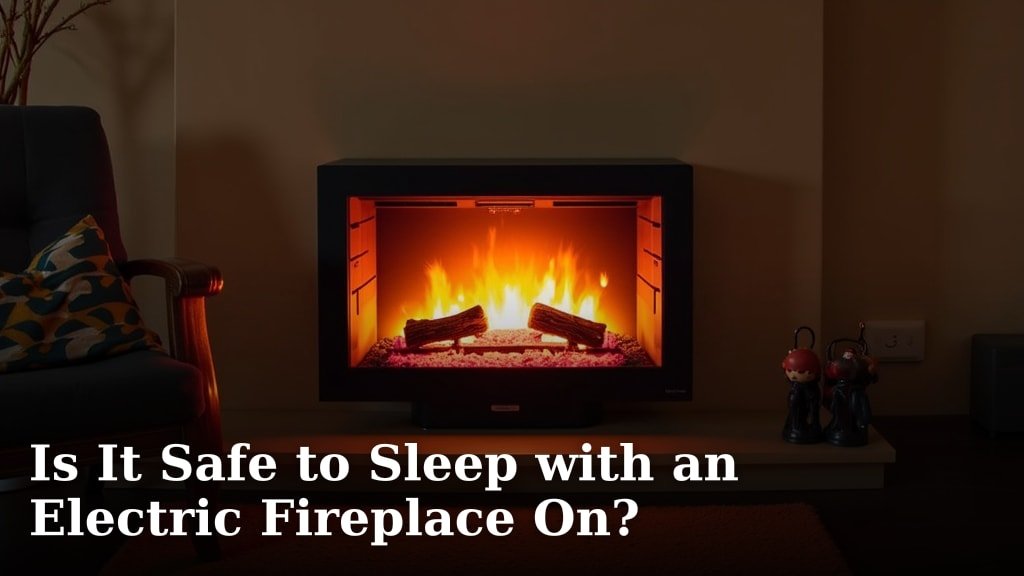
Most quality units include automatic shut-off timers and overheat protection, making overnight use relatively safe. Set a timer for peace of mind and ensure proper ventilation around the unit.
Can infrared electric fireplaces work during power outages?
No, these units require electricity to operate. Unlike gas fireplaces with pilot lights, they provide no heat during power outages. Consider backup heating options for emergency situations.
Do infrared electric fireplaces increase home insurance costs?
Generally no, since they’re considered low-risk heating appliances. Some insurers may even prefer them over wood-burning fireplaces. Check with your agent about any specific requirements or discounts.
How long do infrared heating elements typically last?
Quality infrared bulbs last 20,000-50,000 hours of use. At 6 hours daily, that’s roughly 9-23 years. LED flame effects often outlast the heating elements themselves.
Can you install an infrared electric fireplace in a bathroom?
Only units specifically rated for bathroom use should go in wet locations. Most standard fireplaces aren’t designed for high humidity environments and could pose electrical hazards.