Small vs. Large Wood Stoves: Which Heats Better?
On this page (13 sections)
- Quick Answer: Size Matters for Different Reasons
- Heat Output: The Numbers Game
- Room Size: The Most Important Factor
- Fuel Efficiency: Small vs. Large
- Installation and Placement Differences
- Heat Distribution Patterns
- Cost Comparison: Purchase and Operating
- Environmental Impact Considerations
- Maintenance and Care Differences
- Climate and Seasonal Considerations
- Future Flexibility and Resale Value
- Making Your Final Decision
- Conclusion
Large wood stoves heat bigger spaces more efficiently, while small wood stoves work better for compact areas and use less fuel.
The right size wood stove depends on your room size, insulation quality, and heating goals – not just which one produces more heat.
Quick Answer: Size Matters for Different Reasons
You might think bigger always means better when it comes to heating. But that’s not always true with wood stoves.
Small wood stoves excel in rooms under 1,000 square feet. Large wood stoves shine in spaces over 1,500 square feet. Pick the wrong size and you’ll waste money on fuel or sweat in an overheated room.
Heat Output: The Numbers Game
Heat output gets measured in BTUs (British Thermal Units). Think of BTUs like horsepower for cars – more doesn’t always mean better for your needs.
Small Wood Stove BTU Range
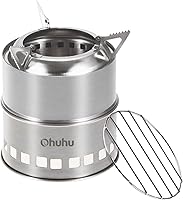
Small wood stoves typically produce 15,000 to 35,000 BTUs per hour. That’s enough to heat a cozy cabin or medium-sized living room.
I found that most compact stoves work best in homes with good insulation. Poor insulation makes even large stoves struggle.
Large Wood Stove BTU Range
Large wood stoves pump out 40,000 to 80,000 BTUs per hour. Some monster units can hit 100,000 BTUs or more.
Research shows these powerhouses can heat 2,000+ square foot homes when placed correctly (Hearth, Patio & Barbecue Association).
Room Size: The Most Important Factor
Your room size should drive your stove choice. Too big creates a sauna. Too small leaves you shivering.
Small Spaces Need Small Stoves
Rooms under 800 square feet work best with compact stoves. You get steady, comfortable heat without burning through your wood pile.
I came across many stories of people buying oversized stoves for small rooms. They end up opening windows in winter because it gets too hot.
Large Spaces Demand More Power
Open floor plans and big rooms need serious heat. A small stove in a large space is like using a candle to heat a warehouse.
Experts recommend calculating 20-30 BTUs per square foot for well-insulated homes (Wood Heat Organization).
Fuel Efficiency: Small vs. Large
Fuel efficiency affects your wallet and the environment. Both sizes can be efficient when sized correctly.
Small Stoves Sip Fuel
Compact stoves burn 2-4 pieces of firewood per hour. You’ll use less wood overall and save money on fuel costs.
They also reach optimal burning temperature faster. Less time means less waste.
Large Stoves Burn More but Heat More
Big stoves eat 4-8 pieces per hour. But they heat much larger areas, so the efficiency per square foot can be similar.
Modern large stoves include advanced combustion systems. These features burn wood more completely and produce less smoke.
Installation and Placement Differences
Size affects where and how you install your stove. This impacts heating effectiveness.
Small Stove Installation Benefits
Compact units fit in tight spaces. You have more options for placement in your room.
They need smaller hearth pads and have reduced clearance requirements. Installation often costs less because of simpler requirements.
Large Stove Installation Challenges
Big stoves need substantial hearth protection and more clearance space. Your floor might need reinforcement to handle the weight.
Chimney systems require careful sizing. Too small a chimney creates draft problems with large stoves.
Heat Distribution Patterns
How heat spreads through your space depends on stove size and design.
Small Stoves Create Cozy Heat Zones
Compact stoves heat the immediate area really well. If your stove takes a long time to warm the room, see these common slow-heating causes. Perfect for single rooms or small open areas.
You’ll get intense warmth near the stove that gradually decreases with distance. Great for reading corners or family gathering spots.
Large Stoves Spread Heat Further
Big stoves push heat across larger areas. They often include fans or heat exchangers to move warm air around.
Many experts say proper air circulation matters more than stove size for even heating (National Fire Protection Association). Learn how radiant and convection stoves distribute heat differently.
Cost Comparison: Purchase and Operating
Money matters when choosing your wood stove. Consider both upfront and long-term costs.
| Factor | Small Stoves | Large Stoves |
|---|---|---|
| Purchase Price | $800-$2,500 | $1,500-$4,500 |
| Installation Cost | $1,200-$2,000 | $1,800-$3,500 |
| Annual Fuel Cost | $300-$600 | $600-$1,200 |
Small Stoves Save Upfront Money
Lower purchase prices and simpler installation keep initial costs down. Perfect if you’re budget-conscious or heating a small area.
Large Stoves Cost More Initially
Higher prices reflect more materials and complex engineering. But they might save money long-term if you’re heating a large space efficiently.
Environmental Impact Considerations
Both sizes can be environmentally friendly when used correctly.
Small Stoves Burn Cleaner Per Load
Less wood burned means fewer emissions per heating session. EPA-certified small stoves produce minimal pollution.
From what I read, proper burning technique matters more than stove size for clean combustion (Environmental Protection Agency).
Large Stoves Use More Resources
More fuel consumption means higher environmental impact. But heating larger spaces efficiently can offset this difference.
Maintenance and Care Differences
Stove size affects how much maintenance you’ll do.
Small Stoves Need Less Cleaning
Smaller fireboxes mean less ash removal. Chimney cleaning frequency depends more on usage than stove size.
Large Stoves Require More Attention
Bigger ash pans and more complex systems need regular maintenance. But they often have easier access panels for cleaning.
Climate and Seasonal Considerations
Your local climate should influence your choice.
Mild Climates Favor Small Stoves
You don’t need massive heat output when temperatures rarely drop below freezing. Small stoves provide enough warmth without overheating.
Cold Climates Need Serious Heat
Harsh winters demand consistent, powerful heating. Large stoves handle extended cold spells better.
Future Flexibility and Resale Value
Think about your long-term plans when choosing stove size.
Small Stoves Offer Portability
Moving to a new home? Small stoves are easier to relocate. They fit in more spaces and have broader appeal.
Large Stoves Add Property Value
High-end large stoves can become selling points for homes. They suggest luxury and serious heating capability.
Making Your Final Decision
Choose based on your specific situation, not general advice.
Measure your space accurately. Calculate your heating needs. Consider your budget and local fuel costs.
Small stoves win for efficiency and cost in compact spaces. Large stoves excel when you need serious heating power.
Conclusion
The best heating wood stove matches your space and needs perfectly. Small wood stoves heat efficiently in compact areas while using less fuel. Large wood stoves provide powerful heating for bigger homes but cost more to buy and operate.
Your room size, budget, and heating goals should guide your decision. Don’t just buy the biggest stove you can afford – buy the right-sized stove for your situation. The perfect wood stove heats your space comfortably without wasting money or fuel. Compare large wood stove options for spacious homes.
What size room can a small wood stove heat effectively?
A small wood stove can effectively heat rooms up to 1,000 square feet with good insulation. In well-insulated spaces, some compact stoves handle up to 1,200 square feet comfortably.
Do large wood stoves use significantly more firewood than small ones?
Yes, large wood stoves typically use 2-3 times more firewood per hour than small stoves. But when heating large spaces, they can be more efficient per square foot than running multiple small heating sources.
Can I install a large wood stove in a small room for better heating?
Installing a large wood stove in a small room creates overheating problems and wastes fuel. You’ll end up opening windows or letting fires burn out early, which reduces efficiency and increases maintenance.
Which type of wood stove has better resale value?
High-quality large wood stoves typically have better resale value because they appeal to buyers with larger homes. Small stoves resell well too, but the market is more limited to people with smaller spaces.
How do I calculate the right BTU output for my space?
Multiply your room’s square footage by 20-30 BTUs for well-insulated homes, or 30-40 BTUs for poorly insulated spaces. Add 10% extra BTUs if you have high ceilings or large windows.