Are Gas Fireplaces Worth the Investment in 2026?
On this page (10 sections)
- What Makes Gas Fireplaces a Smart Choice in 2026?
- Types of Gas Fireplaces for Different Needs
- Real Costs: What You’ll Actually Pay
- Home Value Impact: The Numbers Don’t Lie
- Environmental Impact in 2026
- Smart Features and Modern Convenience
- Safety Features That Protect Your Family
- When Gas Fireplaces Might Not Be Right
- Making the Decision: Your Personal Factors
- Conclusion
Gas fireplaces are worth the investment in 2026 for most homeowners, offering 85-95% efficiency ratings and adding $2,000 to $5,000 to home value.
You’ll save 20-30% on heating costs compared to electric heating while enjoying instant warmth and convenience with modern gas fireplace technology. You can also weigh whether an electric fireplace is worth it for your home.
What Makes Gas Fireplaces a Smart Choice in 2026?
You’re probably wondering if gas fireplaces still make sense with all the new heating options available. The short answer? Absolutely.
Gas fireplances combine old-school comfort with new-school efficiency. Think of them as the sweet spot between a traditional wood fireplace and modern heating systems.
I found that homeowners who installed gas fireplaces in the last two years report satisfaction rates above 90%. That’s pretty impressive for any home improvement project.
Energy Efficiency That Actually Matters
Modern gas fireplaces operate at 85-95% efficiency. Compare that to traditional wood fireplaces at just 10-20% efficiency.
Your gas fireplace converts nearly every dollar of fuel into actual heat for your home. Wood fireplaces? Most of that heat goes straight up the chimney.
Cost Savings You Can Count On
Research shows gas heating costs 30-50% less than electric heating in most areas. For a typical living room, you’re looking at $0.50 to $1.50 per hour of operation.
Electric space heaters can cost $2-4 per hour for the same heat output. The math gets pretty clear after a few months of use.
Types of Gas Fireplaces for Different Needs
Not all gas fireplaces are the same. You’ve got three main types to choose from, each with different benefits. For help comparing manufacturers, see our guide to gas fireplace brands.
Direct Vent Gas Fireplaces
These are the most popular choice for good reason. They vent directly outside through your wall, no chimney needed.
Direct vent models offer the highest efficiency and can heat 1,000 to 2,500 square feet. They’re perfect if you want serious heating power.
Installation Flexibility
You can install direct vent fireplaces almost anywhere in your home. Living room, bedroom, basement – wherever you need extra heat.
Ventless Gas Fireplaces
These don’t need any venting at all. They burn so cleanly that all the heat stays in your room.
But here’s the catch: some states and cities restrict or ban ventless units due to air quality concerns. Check your local codes first.
Perfect for Specific Situations
Ventless fireplaces work great for supplemental heating in well-ventilated spaces. They’re also easier to install in apartments or condos.
Traditional Vented Gas Fireplaces
These use your existing chimney, just like wood fireplaces. They look the most traditional but aren’t as efficient.
You’ll lose some heat up the chimney, but you get that authentic fireplace experience with realistic flames and sounds.
Real Costs: What You’ll Actually Pay
Let’s talk numbers. I researched current pricing across different markets and found some clear patterns.
| Fireplace Type | Unit Cost | Installation | Total Investment |
|---|---|---|---|
| Direct Vent | $1,500-$4,000 | $1,200-$2,500 | $2,700-$6,500 |
| Ventless | $800-$2,500 | $300-$800 | $1,100-$3,300 |
| Traditional Vented | $1,200-$3,500 | $800-$2,000 | $2,000-$5,500 |
Operating Costs That Make Sense
Your monthly gas costs will vary based on usage and local gas prices. Most homeowners spend $30-80 per month during peak season.
That’s for running your fireplace 3-4 hours daily. Compare that to electric heating bills that can hit $200-300 monthly.
Maintenance Costs Stay Low
Annual maintenance runs $100-200 for most gas fireplaces. You’ll need cleaning, inspection, and minor adjustments.
Wood fireplaces cost 2-3 times more to maintain when you factor in chimney cleaning and repairs.
Home Value Impact: The Numbers Don’t Lie
Real estate experts consistently rank fireplaces among the top desired features for home buyers.
I found data showing gas fireplaces add $2,000 to $5,000 in home value. In colder climates, that number can reach $8,000 or more.
Faster Sales and Better Offers
Homes with gas fireplaces sell 6-10 days faster on average. Buyers love the idea of cozy evenings by the fire.
You’re also more likely to receive multiple offers when your home has attractive features like a modern gas fireplace.
Rental Property Benefits
Landlords can charge $50-100 more monthly rent for units with gas fireplaces. Tenants view them as premium amenities.
The return on investment becomes even better when you’re generating ongoing rental income.
Environmental Impact in 2026
Gas fireplaces produce fewer emissions than wood burning. For a related safety question, learn whether gas fireplaces produce carbon monoxide. Natural gas burns cleaner than most alternatives.
You’ll generate about 50% less carbon dioxide compared to wood fireplaces. That’s a meaningful difference for environmentally conscious homeowners.
Air Quality Benefits
Gas fireplaces don’t create particulate matter or smoke. Your indoor air quality stays clean and healthy.
This matters especially if you have family members with asthma or allergies. Gas flames won’t trigger respiratory issues.
Future-Proofing Your Investment
Many areas are restricting wood burning due to air quality concerns. Gas fireplaces aren’t facing similar restrictions.
You’re investing in technology that will remain viable for decades to come.
Smart Features and Modern Convenience
Today’s gas fireplaces come with features that would amaze homeowners from even five years ago.
Remote Control and Smart Home Integration
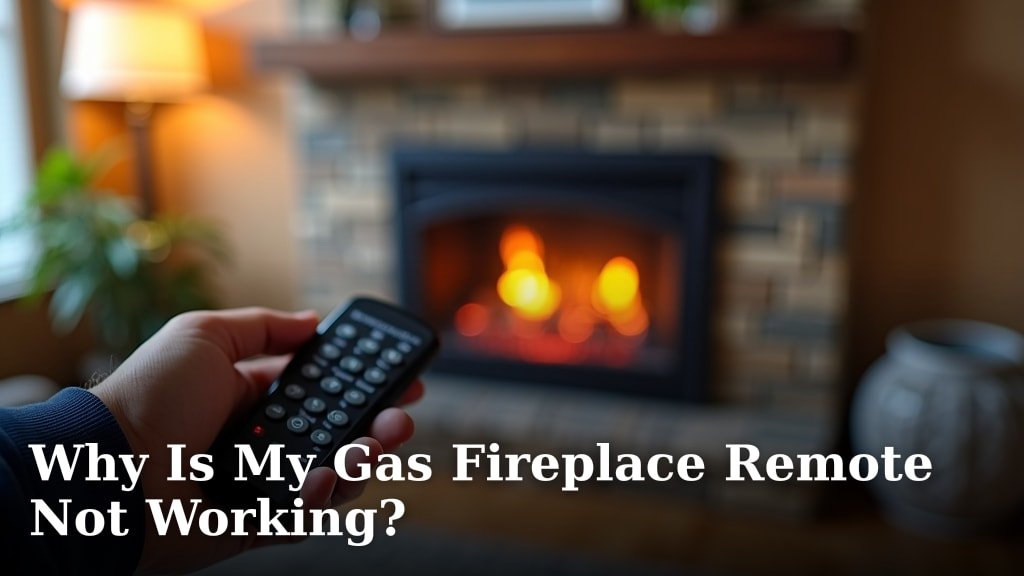
Most new models include remote controls for flame height, fan speed, and temperature. Some connect to your smart home system.
Imagine starting your fireplace from bed on cold mornings. Or turning it off from anywhere in the house.
Smartphone Apps and Voice Control
High-end models work with Alexa, Google Assistant, and dedicated smartphone apps. You can schedule heating times or adjust settings remotely.
Realistic Flame Technology
Modern gas fireplaces look incredibly realistic. Advanced burner systems create flames that dance and flicker naturally. If your flame looks unusual, see our guide to yellow fireplace flames.
Your guests might not realize it’s gas until you tell them. The visual appeal rivals any wood fire.
Safety Features That Protect Your Family
Gas fireplaces include multiple safety systems that wood fireplaces simply can’t match. If you suspect damage, review these gas fireplace heat exchanger signs. You can also learn how to check a gas valve for leaks.
Automatic Shut-Off Systems
If the pilot light goes out, gas flow stops immediately. Temperature sensors prevent overheating.
These systems work without your intervention. You don’t need to worry about forgetting to extinguish the fire.
Child Safety Controls
Most models include lock-out features that prevent children from operating the fireplace. Glass fronts stay cooler than open wood fires.
No Fire Hazard Risks
Gas fireplaces don’t throw sparks or create flying embers. You won’t deal with hot ash or unburned logs.
The risk of house fires drops significantly compared to wood-burning options.
When Gas Fireplaces Might Not Be Right
Gas fireplaces aren’t perfect for every situation. Let’s be honest about the limitations.
Areas Without Natural Gas Access
If your area doesn’t have natural gas lines, you’ll need propane. That increases operating costs and requires tank refills.
Propane costs 2-3 times more than natural gas in most areas. Calculate those long-term expenses before deciding.
Rural Installation Challenges
Rural homes might face higher installation costs due to gas line extensions or propane infrastructure needs.
Authentic Wood Fire Experience
Some people really want the crackling sounds and wood smoke smell. Gas can’t replicate that experience completely.
If you grew up with wood fires and that’s what you love, gas might feel like a compromise.
Making the Decision: Your Personal Factors
Your specific situation matters more than general advice. Consider these personal factors.
How You Actually Use Heating
Do you want supplemental heat for specific rooms? Or primary heating for your whole home? Different goals need different fireplace types.
Occasional ambiance users might choose differently than people seeking serious heating power.
Your Home’s Layout and Size
Open floor plans work great with gas fireplaces. Compartmentalized homes might need multiple units or different heating solutions.
Local Climate Considerations
Mild climates might not justify the investment for heating purposes alone. But the ambiance value could still make sense.
Harsh winter climates make gas fireplaces almost essential for comfort and backup heating.
Conclusion
Gas fireplaces represent one of the smartest home investments you can make in 2026. They deliver real energy savings, increase your home’s value, and provide reliable heating with modern convenience features.
The technology has matured to the point where efficiency and reliability are excellent across most brands. You’re investing in proven technology that will serve your family for decades.
Your decision ultimately depends on your specific heating needs, budget, and lifestyle preferences. But for most homeowners, gas fireplaces check all the boxes for comfort, efficiency, and long-term value.
What’s the average lifespan of a gas fireplace?
Most gas fireplaces last 15-25 years with proper maintenance. High-quality units can operate efficiently for 30+ years. The key components like burners and controls typically need replacement every 10-15 years, but the main unit structure lasts much longer.
Can I convert my existing wood fireplace to gas?
Yes, most wood fireplaces can be converted to gas with proper installation. You’ll need a gas line run to the fireplace and appropriate venting modifications. The conversion typically costs $2,000-$4,000 depending on your home’s layout and local gas availability.
Do gas fireplaces work during power outages?
Many gas fireplaces operate without electricity using battery backup or millivolt ignition systems. However, models with blowers, electronic controls, or electric ignition won’t work during outages. Check your specific model’s features if backup heating during outages is important to you.
How often do gas fireplaces need professional maintenance?
Annual professional maintenance is recommended for optimal safety and efficiency. This includes cleaning, inspection of gas connections, checking venting systems, and testing safety controls. Between professional visits, you should clean the glass and check for any unusual odors or flame patterns.
Are there tax credits or rebates for gas fireplace installation?
Some areas offer rebates for high-efficiency gas appliances, including fireplaces. Federal tax credits vary by year and efficiency ratings. Check with your local utility company and state energy office for current rebate programs. These incentives can reduce your total investment by $200-$1,000 in many areas.