
How Much Wood Does a Wood Stove Use Per Day?
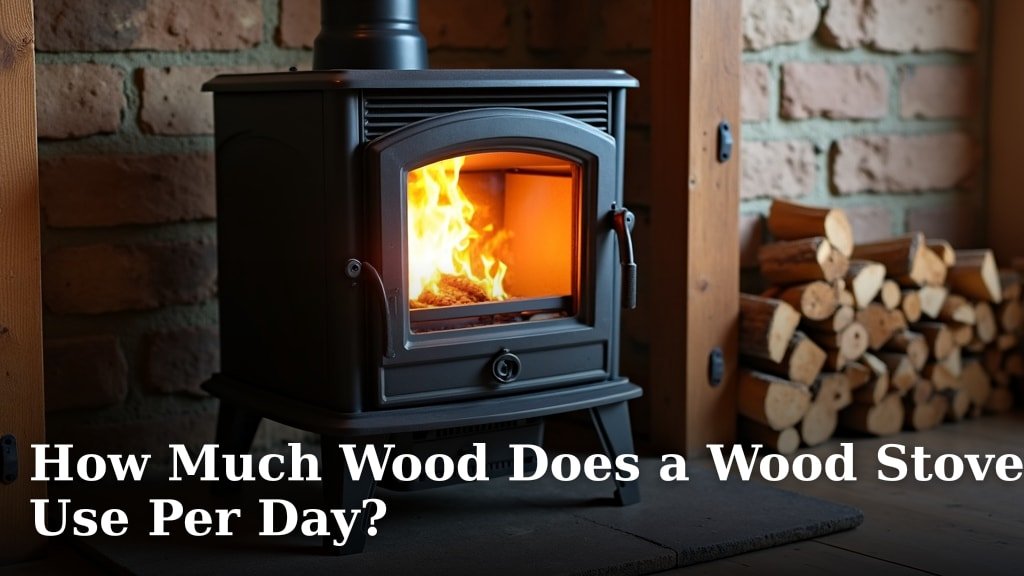
You can expect a wood stove to use anywhere from 15 to 30 pounds of wood per day, or roughly three to five logs, for continuous heating. This amount can change a lot. It depends on many things, as we found in our research.
How much wood you burn really depends on your specific setup and needs. Are you heating a small cabin or a large home? Is your stove an old, inefficient model or a brand-new, EPA-certified one? Outside temperatures play a big role too, along with the type of wood you choose.
TL;DR: How Much Wood Does a Wood Stove Use?
- Expect 15-30 pounds of wood daily for steady heat.
- Stove efficiency significantly impacts wood consumption.
- House size and insulation affect how much wood you burn.
- Colder weather means you’ll need more fuel.
- The type and dryness of wood are key factors.
Let’s break down all the factors that influence how much wood your stove will use. We’ll help you estimate your own usage and maybe even save some wood.
Estimating Your Daily Wood Stove Fuel Needs
So, how much wood will you actually burn each day? It’s not a simple, one-size-fits-all answer. We found it really depends on a few major players. Think of it like cooking: the ingredients matter, the recipe matters, and your oven matters!
On average, for consistent heat, you can expect to use between 15 to 30 pounds of wood daily. This often translates to about three to five standard logs. But let’s dig into what makes this number swing up or down.
Key Factors Influencing Wood Consumption
Many things come together to decide your daily wood usage. You’ve probably already guessed some of them. Let’s look at the big ones, from your stove to your house.
Your Wood Stove’s Efficiency Rating
This is a big one. An older, non-catalytic stove might only be 50-60% efficient. That means nearly half the heat goes straight up the chimney! You’ll need more wood to get the same warmth.
On the other hand, a modern, EPA-certified wood stove can be 75-85% efficient or even higher. These stoves burn cleaner and hotter, squeezing more heat out of each log. This means you’ll use less wood to stay warm, saving you money and effort.
Consider the age and type of your stove. Is it a vintage model or a sleek, new unit? This difference alone can change your wood usage significantly.
The Size of Your Home and Insulation Quality
Imagine trying to heat a tiny shed versus a sprawling mansion. Of course, the mansion needs more fuel! The square footage of your home is a primary factor. A larger space simply requires more BTUs (British Thermal Units) to heat effectively.
Beyond size, how well is your home insulated? Drafty windows, poor wall insulation, and unsealed attics act like big open doors for heat to escape. We’ve seen homes with poor insulation use double the wood of a well-insulated home of the same size. Think of insulation as wrapping your house in a cozy blanket!
Outside Temperatures and Climate
This is probably the most obvious factor. Are you in Florida or Alaska? Your daily wood consumption will be vastly different! The colder it is outside, the harder your stove has to work to maintain a comfortable indoor temperature. On frigid days, you’ll feed your stove more often and with more logs.
We found that a drop of just 10 degrees Fahrenheit can increase wood consumption by 10-20%. So, if you’re in a consistently cold climate, plan on stocking up a lot more wood than someone in a milder area.
Desired Indoor Temperature
How warm do you like your home? Some people are comfortable at 68°F, while others prefer a balmy 75°F. Every degree you add to your thermostat setting requires more energy, and thus, more wood. Experiment to find your comfortable sweet spot that also helps conserve fuel.
The Importance of Your Wood Supply
Not all wood is created equal. The type of wood you burn and how well it’s prepared makes a huge difference in how efficiently your stove performs and how much you use.
Wood Type: Hardwood vs. Softwood
This is a big one for heat output. Hardwoods like oak, maple, and ash are dense and burn longer and hotter. They produce more BTUs per cord. Think of them as the “long-distance runners” of the wood world.
Softwoods such as pine, fir, and spruce burn faster and produce less heat. You’ll need to feed your stove more frequently if you’re burning softwoods. They’re more like “sprint runners.” While they catch fire easily, you’ll go through them much quicker.
Many experts recommend a mix: use softwood to get a fire going quickly, then switch to hardwood for sustained heat.
Seasoning and Moisture Content
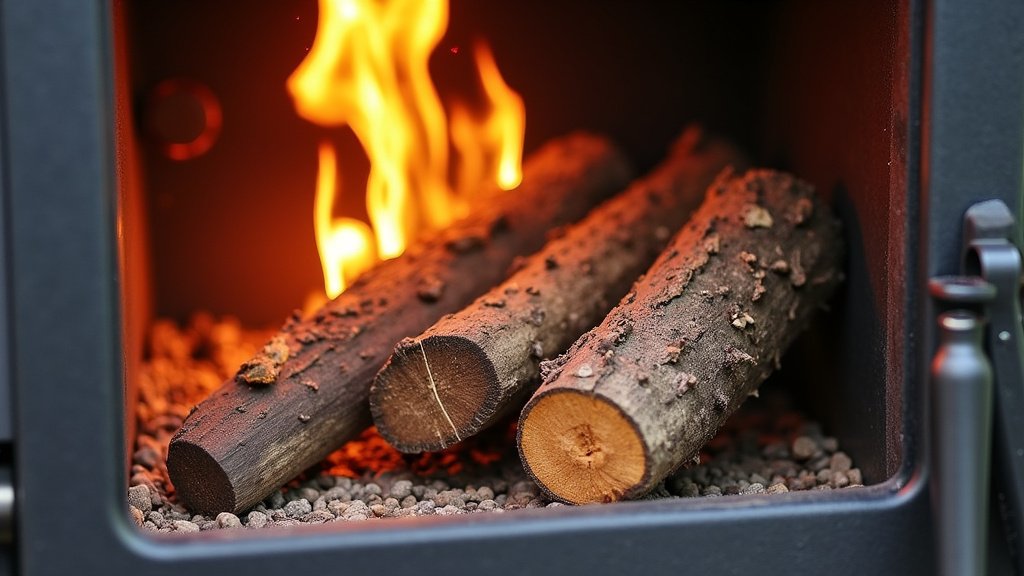
This might be the single most overlooked factor. “Seasoned” wood means it has been dried for six months to a year, bringing its moisture content down to 20% or less. You want wood that’s dry, dry, dry!
Burning wet or “green” wood is incredibly inefficient. It takes a lot of energy just to burn off the water, producing less heat for your home and more smoke and creosote in your chimney. We found that wet wood can reduce heat output by 30% or more. It’s like trying to start a campfire with damp logs – frustrating and smoky!
You can tell if wood is seasoned if it sounds hollow when hit, has cracks on the ends, and its bark is loose. A moisture meter is an inexpensive tool that can give you a precise reading.
Your Burning Habits and Lifestyle
How you operate your stove also plays a role. Are you a continuous burner or a casual user?
Continuous Burning vs. Intermittent Use
If you’re burning your stove 24/7 for primary heat, you’ll naturally use more wood than someone who only lights a fire on chilly evenings or weekends. Continuous burning means always keeping the firebox full enough to maintain coals, which uses more logs.
Intermittent use, where you let the fire die down completely between uses, might seem like it uses less, but the process of restarting a cold stove can also be fuel-intensive. Finding a balance is key for your specific needs.
Stove Operation Techniques
Are you overloading your stove? Or are you “dampening” it down too much? Proper airflow is crucial for efficient burning. Too little air, and your fire smolders inefficiently, producing more smoke and less heat (and more creosote!). Too much air, and your wood burns too quickly. Learning to manage your air intake correctly can significantly reduce your wood consumption (Environmental Protection Agency).
Estimating Your Own Wood Consumption
Ready to figure out your personal estimate? Let’s sum up the variables we’ve discussed. Keep in mind, these are averages, and your results may vary. It’s like estimating gas mileage—many things affect it!
| Factor | Low Consumption (less wood) | High Consumption (more wood) |
|---|---|---|
| Stove Efficiency | New, EPA-certified (75%+) | Old, non-catalytic (50-60%) |
| House Size & Insulation | Small, well-insulated | Large, poorly insulated |
| Outside Temp | Mild (above 40°F) | Very cold (below 20°F) |
| Desired Temp | Cooler (65-70°F) | Warmer (70-75°F) |
| Wood Type | Seasoned Hardwood | Green Softwood |
Consider where you fall on each of these scales. If you have a highly efficient stove in a small, well-insulated home and burn seasoned hardwood, you’ll be on the lower end of the 15-30 pounds per day estimate. If you’re on the other end, prepare for more wood trips!
Tips for Reducing Your Wood Usage
Who doesn’t want to save some wood? It means less splitting, less stacking, and less money spent. We gathered some practical tips to help you maximize every log.
- Burn only seasoned wood: This is paramount. If it’s wet, let it dry.
- Get an efficient stove: If your stove is very old, a new model could pay for itself in fuel savings.
- Insulate your home: Seal drafts, add weatherstripping, and improve attic insulation.
- Lower your thermostat: Even a few degrees can make a difference.
- Use hardwood as your primary fuel: It gives you more bang for your buck.
- Learn to operate your stove correctly: Master the art of air control for optimal burns.
By focusing on these areas, you can bring down your daily wood consumption and enjoy more warmth with less effort. Every little bit helps, right?
Conclusion
Understanding how much wood your stove uses boils down to a few key factors: your stove’s efficiency, your home’s insulation, the outside weather, and crucially, the quality of your wood. While 15-30 pounds per day is a good average, your specific setup will dictate your exact needs. By burning seasoned hardwood and operating your stove correctly, you can significantly reduce your consumption.
Take an inventory of your current situation using the factors we discussed. This will help you predict your wood needs more accurately and keep your home warm without unnecessary effort. Smart burning means less work and more warmth for you.
Frequently Asked Questions
How many logs make up 15-30 pounds of wood?
Typically, 15-30 pounds of wood translates to about three to five standard-sized logs for continuous heating. This can vary based on the wood species and its moisture content, as denser, drier wood weighs more per log.
Does a smaller wood stove use less wood?
Not necessarily. A smaller stove heating a space larger than its capacity will work harder and burn wood faster to try and keep up. A properly sized, efficient stove for your space is more important than just its physical size for wood consumption.
Can using unseasoned wood damage my wood stove or chimney?
Yes, burning wet or “green” wood creates more smoke and lower combustion temperatures. This leads to increased creosote buildup in your chimney, which is a significant fire hazard, and can also contribute to corrosive damage in your stove over time.
What is the ideal moisture content for burning wood?
The ideal moisture content for firewood is 20% or less. You can check this with an inexpensive moisture meter. Wood with this moisture level burns efficiently, produces more heat, and minimizes creosote formation.
How can I store my firewood to keep it dry?
Store your firewood in a dry, elevated location, such as on a pallet, to keep it off the ground. Cover the top to protect it from rain and snow, but leave the sides open for good airflow. This allows the wood to continue seasoning effectively.