Is a Pellet Stove Worth It?
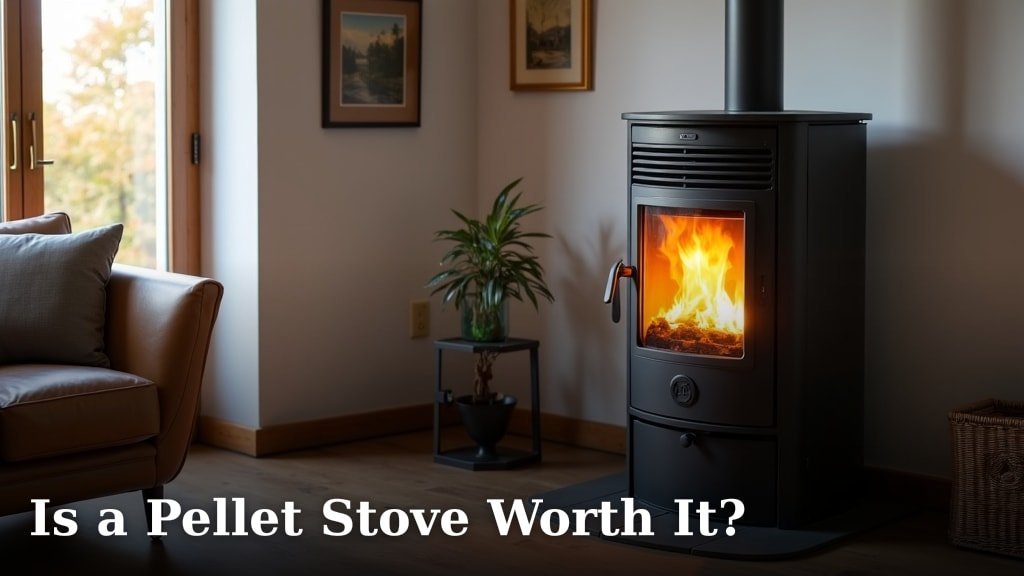
Yes, a pellet stove can be a worthwhile investment for your home, especially if you prioritize heating efficiency and convenience. Many homeowners find them to be a cost-effective and environmentally friendly alternative to traditional heating methods.
Pellet stoves offer consistent warmth and require less effort than wood-burning stoves. They burn compressed wood pellets, which are a renewable fuel source. We found that they often come with features like automatic ignition and thermostat control, making them very user-friendly.
- Pellet stoves are efficient and convenient.
- They can save you money on heating bills.
- They use a renewable, eco-friendly fuel.
- Maintenance is generally simple.
Ready to see if a pellet stove is right for your home? Let’s break down all the pros and cons you need to consider.
Evaluating the Value of a Pellet Stove for Your Home
So, you’re wondering if a pellet stove is the right heating solution for your home. You’re not alone! Many homeowners consider this option for its unique blend of efficiency and convenience. Let’s break down what makes them a compelling choice.
How Pellet Stoves Work and What Makes Them Different
Pellet stoves are fascinating devices. They look a bit like traditional wood stoves but operate with much more precision. Instead of logs, they burn small, compressed wood pellets. Think of them as a highly efficient, automated fireplace.
The Fuel: Wood Pellets
The magic starts with the fuel. Wood pellets are made from recycled sawdust and wood waste. They are compressed into uniform cylinders, which makes them very dense and energy-rich. This consistency is a big reason why pellet stoves burn so efficiently.
- Renewable Resource: Wood pellets are made from trees, a renewable resource. This makes them a more environmentally friendly option than fossil fuels.
- Clean Burning: Because they are so dense and uniform, pellets burn very cleanly. They produce less ash and creosote than traditional firewood, which is a big plus for maintenance and air quality.
- Easy Storage: Pellets come in 40-pound bags. They are easy to stack and store, unlike bulky firewood.
The Automation Factor
Unlike a wood stove where you constantly add logs, a pellet stove feeds itself. You fill a hopper with pellets, and an auger automatically delivers them to the burn pot. This means you can often set it and forget it for 12 to 48 hours, depending on the hopper size and heat setting.
Many models even come with thermostats, allowing you to set your desired temperature. The stove will then adjust its burn rate to maintain that warmth, just like your furnace. This level of automation brings great convenience to home heating.
The Perks: Why Homeowners Love Pellet Stoves
When you talk to pellet stove owners, you’ll often hear about the benefits they enjoy. We found that the biggest draws are typically the cost savings, environmental impact, and ease of use.
Cost-Effectiveness and Heating Efficiency
For many, the primary reason to consider a pellet stove is to save money on heating bills. Pellet stoves are known for their high efficiency, often converting 75-90% of the fuel’s energy into heat. This is much higher than traditional fireplaces, which can lose a lot of heat up the chimney.
The price of wood pellets can fluctuate, but we found they are often more stable than oil or propane prices. This predictability helps you budget your heating costs. In some areas, pellets can be significantly cheaper per BTU than other heating sources. Think of it like getting more miles per gallon with your car.
Environmental Benefits
If you’re concerned about your carbon footprint, a pellet stove offers a greener alternative. As we mentioned, pellets are made from renewable wood waste. Burning them releases carbon dioxide that was already part of the natural carbon cycle. This is often described as “carbon neutral” (Environmental Protection Agency).
Moreover, modern pellet stoves burn very cleanly, producing fewer particulate emissions than older wood stoves. This means better air quality, both indoors and out. It’s a way to keep your home warm while being mindful of the planet.
Ease of Use and Maintenance
Compared to a traditional wood stove, a pellet stove is a dream for many. No more chopping wood or dealing with large, messy logs. Just pour the pellets into the hopper. Many models offer automatic ignition, so no kindling or matches are needed.
Maintenance is also simpler. You’ll need to empty the ash pan regularly, typically every few days to once a week, depending on usage. The ash is fine and powdery, making cleanup relatively easy. We found that yearly professional servicing is a good idea, similar to a furnace tune-up, to keep it running smoothly.
Potential Downsides to Consider
Of course, no heating solution is perfect for everyone. It’s important to look at the other side of the coin to make an informed decision. Let’s talk about the considerations you should keep in mind.
Initial Investment and Installation
A pellet stove requires an upfront cost. The stove itself can range from $1,000 to $4,000 or more, depending on the model and features. Installation costs can add another few hundred to over a thousand dollars, especially if you need a new chimney liner or venting system.
This initial outlay is something to budget for. However, many homeowners find that the long-term savings on fuel can offset this cost over time. Think of it as an investment that pays you back in lower heating bills.
Reliance on Electricity
Here’s a big difference from a traditional wood stove: pellet stoves require electricity to operate. They need power for the auger, fans, and electronic controls. This means that if your power goes out, your pellet stove won’t work.
If you live in an area prone to power outages, this is a significant factor. Some homeowners address this by having a small generator or a battery backup system, but it’s an added consideration. It’s a trade-off for the convenience and automation they offer.
Fuel Storage and Availability
While pellets are easy to store, you still need space for them. A winter’s supply can amount to a few tons of pellets, which takes up a fair amount of room. You’ll need a dry place to keep them, like a garage, shed, or basement.
Additionally, you’ll need to ensure a consistent supply of pellets. While widely available in many areas, it’s wise to check your local retailers before committing. Sometimes, during peak heating season, supplies can dwindle, so planning ahead is smart.
Is a Pellet Stove Right for You? A Quick Checklist
To help you decide, ask yourself these questions. This will give you a clearer picture of whether a pellet stove aligns with your heating needs and lifestyle.
- Do you want to save money on heating bills?
- Are you looking for a more environmentally friendly heating option?
- Do you prefer automated heating over constantly tending a fire?
- Do you have space to store bags of wood pellets?
- Is electricity reliability generally good in your area, or do you have a backup plan?
- Are you comfortable with emptying an ash pan regularly?
Comparing Pellet Stoves to Other Heating Options
It’s helpful to see how pellet stoves stack up against other common home heating methods. This comparison can highlight where they excel and where other options might be a better fit for your specific situation.
Pellet Stove vs. Traditional Wood Stove
When comparing these two, convenience is the biggest differentiator. A wood stove offers off-grid heating and a rustic charm. However, it demands more effort: chopping wood, constant stoking, and more frequent cleaning of creosote.
Pellet stoves offer automation, cleaner burning, and thermostat control. They require electricity but provide consistent, hands-off heat. If you love the idea of a wood fire but not the work, a pellet stove is often the preferred choice.
Pellet Stove vs. Furnace (Gas/Oil/Electric)
Your existing furnace heats your entire home through ducts. Pellet stoves typically heat one main living area very well, often relying on natural air circulation or small fans to distribute heat. They are excellent zone heaters or supplemental heat sources.
A pellet stove can significantly reduce your reliance on a more expensive furnace. Many homeowners use their furnace less frequently, opting for the pellet stove to keep their main living spaces warm. This is where the cost savings really kick in.
Consider this table for a quick overview:
| Feature | Pellet Stove | Traditional Wood Stove | Central Furnace |
|---|---|---|---|
| Fuel Type | Wood Pellets | Firewood Logs | Natural Gas, Oil, Electricity |
| Efficiency | High (75-90%) | Moderate (50-70%) | High (80-98%) |
| Automation | High (hopper feed, thermostat) | Low (manual tending) | High (fully automatic) |
| Electricity Needed | Yes | No | Yes |
| Maintenance | Regular ash emptying, annual service | Regular ash emptying, creosote cleaning | Annual service |
| Heat Distribution | Zone heating, radiant/fan | Zone heating, radiant | Whole-home, ducted |
| Environmental Impact | Low emissions, renewable fuel | Higher emissions, renewable fuel | Varies by fuel type |

Conclusion
Deciding if a pellet stove is worth it for you really comes down to your priorities. If you value efficiency, convenience, and eco-friendliness, and you’re ready for the initial investment, it’s a strong contender. You’ll likely enjoy lower heating bills and a significantly easier heating experience compared to a traditional wood stove.
Remember to weigh the need for electricity and fuel storage against the benefits. By considering your specific needs and lifestyle, you can confidently determine if a pellet stove is the smart heating solution for your home.
Ready to explore models? Start by checking local retailers and reading reviews to find the perfect fit.
Frequently Asked Questions
How much does it cost to run a pellet stove per month?
The operating cost varies based on pellet prices, your stove’s efficiency, and how often you use it. We found that most homeowners spend between $100-$300 per month during peak heating season. This is often less than what they’d spend on alternative heating.
Can a pellet stove heat an entire house?
While some powerful models can contribute significantly to whole-house heating, pellet stoves typically function best as zone heaters. They excel at warming your main living areas, allowing your central furnace to run less often. This method helps you save on overall heating costs.
Do pellet stoves produce a lot of smoke?
Modern pellet stoves are designed to burn very cleanly, producing minimal smoke and particulate matter. The exhaust is generally thin and wispy, unlike the thick smoke from a traditional wood fire. This clean burn is a key environmental benefit.
How often do I need to clean a pellet stove?
You’ll typically need to empty the ash pan every few days to once a week, depending on usage. We found it’s also important to clean the burn pot daily or every other day. A thorough yearly cleaning and professional service help maintain efficiency.
What is the lifespan of a pellet stove?
With proper maintenance and regular cleaning, a good quality pellet stove can last 15 to 25 years or even longer. Investing in a reputable brand and following the manufacturer’s care instructions can help extend its useful life significantly.