How Much Does a Pellet Stove Cost to Run?
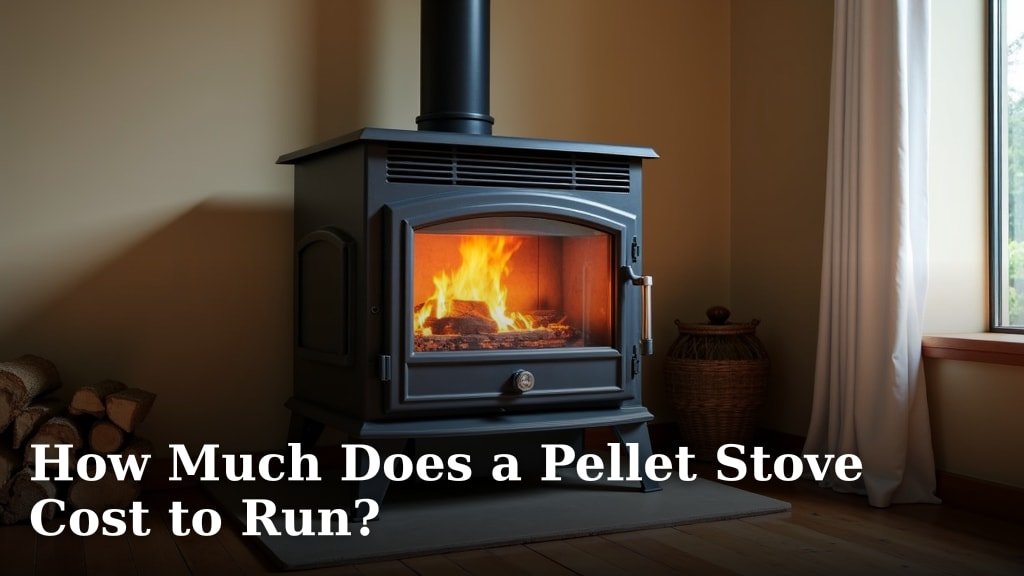
The cost to run a pellet stove can vary quite a bit, typically ranging from $30 to $100 per month during heating season. We found this depends heavily on the cost of wood pellets in your area and how much you use your stove. Factors like your home’s insulation also play a big role in your overall heating expense.
You might be wondering if a pellet stove is right for your budget. We found that while pellets are a renewable resource, their price can fluctuate. Understanding these costs helps you make a smart decision for your home and your heating needs.
- Average monthly running costs.
- Impact of pellet prices and usage.
- How home insulation affects your bill.
- Factors influencing overall heating expenses.
Let’s walk through exactly how these costs break down, so you can estimate what a pellet stove might cost to run for you.
Understanding the Running Costs of Your Pellet Stove
You’re curious about the actual day-to-day cost of keeping your home warm with a pellet stove. We found the biggest factors come down to what you pay for pellets and how often your stove is running.
Pellet Prices: Your Biggest Variable Cost
The cost of wood pellets is the single largest operating expense for your pellet stove. Think of it like gas for your car. Prices can fluctuate based on the season, local supply, and even global demand.
How Pellet Prices Change
We’ve noticed pellet prices can vary quite a bit. You might see them rise during peak heating season, usually in fall and winter. Buying in bulk during the off-season, like summer, can often save you money.
- Bagged pellets: Sold in 40-pound bags. Most common for residential use.
- Bulk pellets: Delivered by the ton, often requiring storage. Can be more economical.
Average Pellet Costs You Might Expect
On average, a 40-pound bag of wood pellets can cost anywhere from $5 to $8. If you buy by the ton, which is usually 50 bags, you might pay around $250 to $400. Of course, these are averages, and your local market might differ (US Energy Information Administration).
Your Stove’s Usage: How Much Heat Do You Need?
The more you run your pellet stove, the more pellets you’ll use. This seems obvious, right? But the amount you “need” to run it depends on several things.
Factors Influencing Pellet Consumption
A typical pellet stove uses about one to three bags of pellets per day if it’s your primary heat source. This range depends on your stove’s efficiency, the size of your home, and how cold it is outside.
- Stove efficiency: Newer models are more efficient, burning less fuel for the same heat.
- Home size: Larger homes need more heat, meaning more pellets.
- Outside temperature: Colder days mean your stove works harder and uses more fuel.
- Desired indoor temperature: Keeping your home at 72°F instead of 68°F will increase pellet use.
Estimating Your Monthly Pellet Consumption
Let’s do some quick math. If you use one bag a day, that’s roughly 30 bags a month. At $6 a bag, you’re looking at $180 just for pellets. If you use two bags, that jumps to $360. This is why pellet prices are so important to your budget.
Electricity Consumption: A Smaller but Present Cost
Unlike traditional wood-burning stoves, pellet stoves require electricity to operate. They have fans, augers, and electronic controls. So, there’s an electrical cost, too.
How Much Power Do Pellet Stoves Use?
Most pellet stoves use about 100 to 150 watts per hour during normal operation. This is similar to a few light bulbs or a small television. When starting up, they might briefly use more, around 400 watts (Environmental Protection Agency).
Calculating Your Electric Bill Impact
Let’s say your stove runs for 12 hours a day at 150 watts. That’s 1.8 kWh per day. If electricity costs $0.15 per kWh, you’re looking at about $0.27 per day. Over a month, that’s roughly $8. It’s usually a small fraction of your total heating cost, but it’s good to be aware of it.
Maintenance and Cleaning: Keeping Your Stove Running Smoothly
To ensure your pellet stove runs efficiently and safely, regular maintenance is key. This isn’t just about saving money on pellets; it’s about extending the life of your stove and preventing problems.
Regular Cleaning You Can Do Yourself
You’ll need to clean your stove regularly, often every few days or once a week. This includes emptying the ash pan, cleaning the burn pot, and checking for clogs. This helps your stove burn fuel more completely, saving you money.
Professional Servicing: An Annual Check-Up
We recommend an annual professional cleaning and inspection. This usually costs between $150 and $300. They’ll clean parts you can’t easily reach, check electrical components, and ensure everything is working correctly. Think of it as a tune-up for your heating system.
Installation Costs: The Upfront Investment
While not a running cost, the initial installation fee is a significant part of the overall financial picture for a pellet stove. You need to consider this when deciding if a pellet stove is right for you.
Installation can range from $200 to over $1,000, depending on whether you already have a suitable chimney or need new venting installed. We found that complex installations requiring new wall penetrations or extensive piping will be on the higher end.
Comparing Pellet Stove Costs to Other Heating Methods
How does a pellet stove stack up against other heating options? We looked at some common alternatives to help you compare.
| Heating Method | Typical Monthly Running Cost (Winter) | Pros | Cons |
|---|---|---|---|
| Pellet Stove | $30 – $100 | Renewable fuel, eco-friendly, zone heating | Requires electricity, pellet storage, daily cleaning |
| Natural Gas Furnace | $70 – $150 | Convenient, reliable, no fuel storage needed | Non-renewable, can be expensive depending on gas prices |
| Electric Furnace | $150 – $300+ | Clean, easy to install, no fuel storage | Often the most expensive option to run |
| Propane Furnace | $100 – $250+ | Good for rural areas, efficient heat | Requires tank refills, price volatility, delivery required |
Remember, these are averages. Your specific costs will vary based on your home, local utility rates, and usage habits. Many homeowners find that a pellet stove offers a good balance of cost and comfort, especially if they can buy pellets at a reasonable price.
Maximizing Your Pellet Stove’s Efficiency to Save Money
You want to get the most heat for your money, right? There are several ways to make your pellet stove run as efficiently as possible.
Pellet Stove Efficiency Checklist
Here’s a quick checklist to help you keep your running costs down:
- Use high-quality pellets: They burn hotter and produce less ash.
- Clean your stove regularly: Ash buildup reduces efficiency.
- Seal drafts in your home: Prevent heat from escaping (EPA suggests this).
- Set your thermostat wisely: Don’t overheat your home unnecessarily.
- Ensure proper ventilation: Allows for optimal combustion.
- Schedule annual maintenance: A professional tune-up makes a big difference.
The Impact of Home Insulation on Your Heating Bill
We found that how well your home holds heat is a huge, often overlooked, factor in your heating costs. A well-insulated home requires less energy, whether you’re using a pellet stove or another heating method.
Think of your home as a giant thermos. If it’s sealed well, the heat stays in. If not, you’re constantly losing heat, forcing your stove to work harder. We always recommend checking your insulation, windows, and doors for drafts. This can lead to significant savings on your heating bill, regardless of your heat source.
Conclusion
Understanding the cost to run a pellet stove means looking at more than just the pellet price. We found that factors like your home’s insulation, how often you use your stove, and regular maintenance all contribute to your overall heating expense. While electricity is a minor cost, securing good pellet prices and keeping your stove clean are paramount.
By actively managing these variables, you can optimize your pellet stove’s performance and keep running costs down. Take control of your heating budget by implementing these efficiency tips and smart buying strategies today.
Frequently Asked Questions
Are pellet stoves more expensive to run than wood stoves?
Generally, pellet stoves can be slightly more expensive to run than traditional wood stoves. This is because they require electricity to operate and the fuel (pellets) is often more processed than raw firewood. However, pellet stoves offer more convenience and consistent heat.
Can I save money by making my own wood pellets?
While theoretically possible, making your own wood pellets typically isn’t cost-effective for most homeowners. The equipment required for pelletizing wood waste is expensive, and the process is time-consuming. You’ll usually save more by buying pellets in bulk or during the off-season.
How often do I need to buy pellets for my stove?
How often you buy pellets depends on your usage and storage capacity. If your stove is your primary heat source, you might go through one to three 40-pound bags daily. This means you could be buying pellets weekly or monthly, depending on how much you store at home.
Does the type of pellet I use affect running costs?
Yes, the type of pellet absolutely affects running costs. High-quality pellets burn more efficiently, produce more heat, and leave less ash. This means you use fewer pellets over time and spend less on maintenance, ultimately saving you money.
What’s the best way to store wood pellets to prevent waste?
To prevent waste and maintain quality, store wood pellets in a dry, airtight container or shed. Moisture can cause pellets to swell and break down, making them unusable. Keeping them off the ground and away from humidity will help preserve their burning efficiency.
