How Often Should a Chimney Be Swept?

For most homes, you should have your chimney swept once a year. This is especially true if you use your fireplace or wood stove regularly. Many experts say this annual sweeping prevents dangerous creosote buildup and ensures safe operation.
Thinking about when to sweep your chimney can feel a bit confusing, right? We understand. It’s not always just about how often you light a fire. Things like the type of wood you burn and even the size of your flue play a big role in chimney safety and how often it needs cleaning. You want to keep your home safe and cozy.
- Annual chimney sweeping is often recommended.
- Regular use of your fireplace increases the need for cleaning.
- Creosote buildup is a major safety concern.
- Type of wood burned affects how quickly creosote forms.
- Professional inspection is part of the sweeping process.
So, how do you know if your chimney truly needs sweeping? And what does that annual cleaning really involve? Let’s walk through everything you need to know about keeping your chimney in top shape.
Understanding Your Chimney’s Cleaning Needs
Most experts, including the National Fire Protection Association (NFPA), recommend having your chimney swept at least once a year. This isn’t just a suggestion; it’s a critical safety measure. But what makes this annual check so important?
Why Regular Chimney Sweeping Matters So Much
Think of your chimney as the exhaust system for your home’s fireplace or wood stove. Just like your car needs its exhaust checked, your chimney needs regular attention. There are two main dangers we’re trying to avoid: chimney fires and carbon monoxide poisoning.
Creosote Buildup: The Silent Threat
When you burn wood, some of the unburnt gases rise and condense in your cooler chimney flue. This sticky, tar-like residue is called creosote. It’s highly flammable. As it builds up, it narrows your flue and creates a significant fire hazard.
- First-degree creosote: Flaky, easy to remove.
- Second-degree creosote: Tarry, crunchy, harder to remove.
- Third-degree creosote: Glazed, shiny, almost like tar. This is the most dangerous and hardest to remove.
A chimney fire can be a terrifying experience. It can range from a slow-burning fire that damages the chimney structure to a roaring blaze that spreads to your home. We found that the Chimney Safety Institute of America (CSIA) highlights creosote as the leading cause of chimney fires.
Preventing Carbon Monoxide Poisoning
A blocked chimney can also cause another invisible danger: carbon monoxide. This odorless, colorless gas is a byproduct of incomplete combustion. If your flue is obstructed by creosote, animal nests, or debris, this deadly gas can be forced back into your home. This is why a chimney sweeping often includes an inspection for blockages.
Factors Influencing Your Chimney Sweeping Schedule
While annual sweeping is a good general rule, how often you truly need it can change. Several factors come into play, making your specific situation unique. It’s not a one-size-fits-all answer.
How Often You Use Your Fireplace or Wood Stove
This is probably the biggest factor. Do you light a fire every night in winter, or only for special occasions? More use means more creosote. We found that homes with daily fire use might even need more than one cleaning per year.
- Occasional use (less than 6 times per year): Annual check-up is still wise.
- Moderate use (monthly or weekly): Annual sweeping is essential.
- Heavy use (daily in cold months): Consider two sweepings a year.
Think of it like changing your car’s oil. More driving means more frequent oil changes. More burning means more frequent sweepings.
Type of Wood You Burn
Not all wood is created equal when it comes to creosote production. Did you know that? The type of wood you choose greatly impacts how quickly your chimney gets dirty.
Seasoned wood (wood that has been dried for at least 6-12 months) burns hotter and cleaner. It produces less smoke and, therefore, less creosote. Unseasoned, or “green,” wood contains a lot of moisture. Burning it creates more smoke, more creosote, and a less efficient fire. This can lead to a dirty chimney much faster.
| Wood Type | Moisture Content | Creosote Production |
|---|---|---|
| Seasoned Hardwood (Oak, Maple) | Low (15-20%) | Low |
| Seasoned Softwood (Pine, Fir) | Low (15-20%) | Moderate |
| Unseasoned/Green Wood | High (30%+) | High |
| Manufactured Logs | Varies (Check Label) | Low to Moderate |
Your Burning Habits
How you build and maintain your fire also plays a role. A slow, smoldering fire with restricted airflow produces more smoke and creosote than a hot, efficient blaze. Make sure your fire has enough air to burn completely. You want a bright flame, not a smoky, lazy one.
Type of Fireplace or Wood Stove
Older, open fireplaces tend to be less efficient and can produce more creosote. Modern wood stoves, especially those certified by the Environmental Protection Agency (EPA), are designed to burn cleaner and more efficiently. This often means less creosote buildup. However, even these efficient models still require regular cleaning.
Flue Size and Material
A smaller or oddly shaped flue might accumulate creosote faster than a large, smooth one. Different liner materials can also affect buildup. It’s something your professional chimney sweep will assess during their visit.
When is the Best Time to Schedule Your Chimney Sweep?
So, you know you need it swept. But when? Most homeowners choose to get their chimney swept in the spring or summer. Why then?
- Avoid the rush: Sweeps are busiest in the fall, right before heating season.
- Ready for winter: Your chimney will be clean and ready when the first cold snap hits.
- Spot problems early: Discovering damage in summer gives you time for repairs.
If you wait until fall, you might find yourself on a long waiting list when you really want to light that first cozy fire.
What Happens During a Professional Chimney Sweep?
When a professional chimney sweep visits your home, they do more than just clean. It’s a comprehensive service aimed at safety. They’ll protect your home, clean the flue, and perform an inspection.
The Cleaning Process
First, they’ll lay down tarps and use special vacuums to keep your home clean. Then, they’ll use brushes, rods, and specialized tools to remove creosote and debris from the flue. This can be done from the top down or bottom up, depending on your chimney’s design. They’ll also clean the firebox, damper, and smoke shelf.
The Crucial Inspection Component
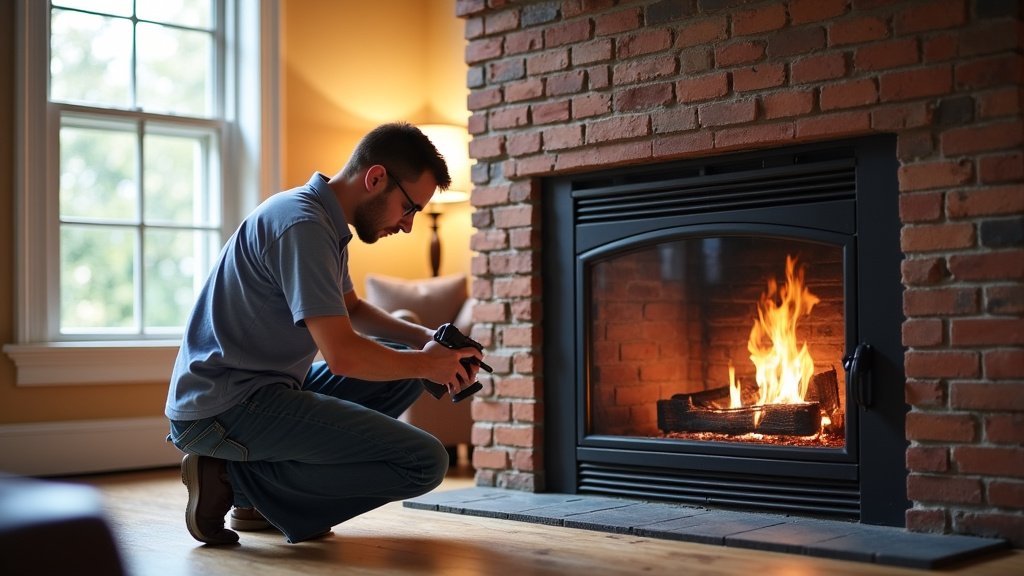
After the cleaning, a good sweep will perform a visual inspection. They’re looking for any signs of damage, cracks, or blockages. This includes checking the chimney crown, cap, flashing, and the overall structural integrity. The CSIA emphasizes that this inspection is just as vital as the cleaning itself. It helps catch small problems before they become big, expensive, and dangerous ones.
Signs Your Chimney Needs Immediate Attention
Even with annual sweeping, sometimes you might notice signs that indicate an earlier cleaning or inspection is needed. Don’t ignore these red flags!
- Strong smoky odors: Especially when the fireplace isn’t in use.
- Smoke backing up: If smoke enters your home instead of going up the flue.
- Soot or creosote falling into the fireplace: Visible flakes or chunks.
- A black, tar-like substance: On the outside of the chimney or around the flue opening.
- Animal noises or nests: Sounds coming from your chimney, or visible nesting materials.
- An unusually hot chimney exterior: This can indicate a potential chimney fire.
If you observe any of these, stop using your fireplace or stove immediately and call a certified chimney professional. Your family’s safety is worth it.
Conclusion
Keeping your chimney clean is a non-negotiable part of home safety. While the general rule is once a year, your specific usage and burning habits might call for more frequent attention. You’ve learned about the silent dangers of creosote and carbon monoxide, and how to spot the signs of a chimney needing care. Don’t wait for a problem to arise.
Prioritize your peace of mind and the safety of your home. Schedule your chimney sweep today, ideally in the off-season. Your family will thank you for making sure your fireplace or wood stove operates safely and efficiently all season long.
Frequently Asked Questions
What happens if I don’t sweep my chimney regularly?
Ignoring regular chimney sweeps can lead to dangerous creosote buildup, significantly increasing your risk of a chimney fire. It can also cause blockages, which may force carbon monoxide back into your home. This gas is odorless and deadly, posing a serious threat to your household.
Can I sweep my chimney myself, or do I need a professional?
While DIY chimney sweeping kits exist, we strongly recommend hiring a certified professional. They have specialized tools, training, and experience to thoroughly clean your flue. More importantly, they perform a crucial inspection for damage or hazards you might miss, ensuring true safety.
How long does a typical chimney sweeping appointment take?
A professional chimney sweeping appointment usually takes between 45 minutes to an hour and a half. This includes setting up protective gear, the actual cleaning process, and a thorough safety inspection of your chimney system. The time can vary based on your chimney’s condition.
Will a chimney sweep make a mess in my house?
Reputable chimney sweeps take great care to prevent mess. They use tarps, drop cloths, and high-powered vacuums to contain soot and debris. You should expect your home to be as clean, if not cleaner, than it was before they started the job.
What kind of creosote is most dangerous?
Third-degree creosote is the most dangerous type. This glazed, shiny, tar-like substance is extremely flammable and the hardest to remove. Its presence significantly increases the risk of a chimney fire. Regular sweeping helps prevent it from forming.