Why Is My Electric Fireplace Not Heating?
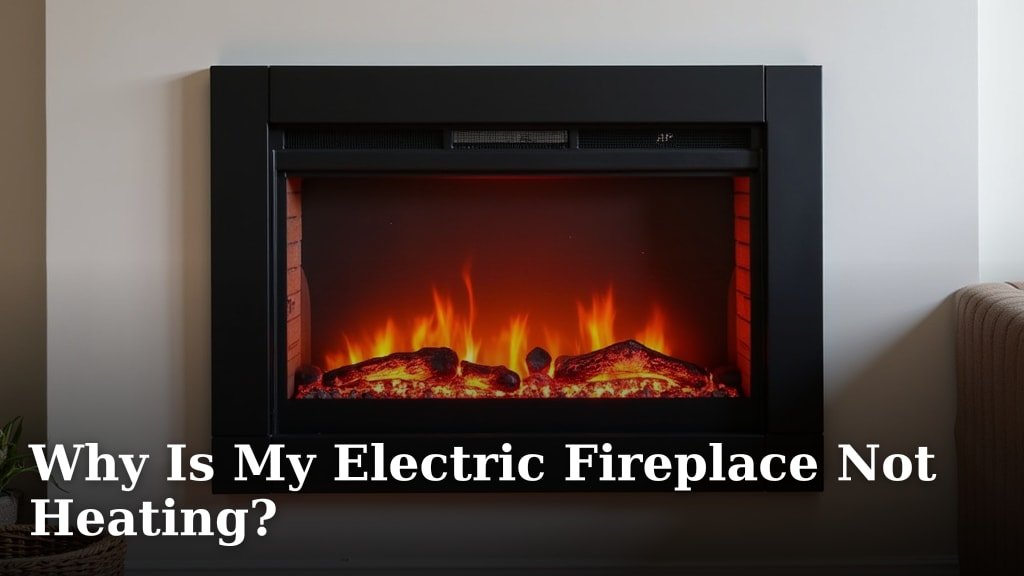
Your electric fireplace is not heating because of a few common issues, such as a tripped circuit breaker, a faulty thermostat, or a broken heating element. These problems often cause your unit to stop producing warmth. We find that a simple reset or a quick check of your settings can often fix it.
It’s frustrating when you expect cozy warmth but get cold air instead. Many users report that their electric fireplace suddenly stops heating, even if the flames still show. This can happen for several reasons, from minor electrical glitches to parts needing replacement. Don’t worry, these issues are usually straightforward to diagnose.
- Check your circuit breaker for a trip.
- Confirm the thermostat settings are correct.
- Inspect the heating element for damage.
- Look for any blockages in the air vents.
- Consider if the fan motor is working properly.
Let’s walk through the exact steps to figure out why your electric fireplace is not heating and how to get it working again. You’ll be back to cozy in no time.
Troubleshooting Your Electric Fireplace’s Heating Issues
When your electric fireplace stops heating, it’s natural to feel a little frustrated. But don’t worry. Most issues are simple fixes you can handle yourself. We’ll guide you through the common culprits and how to check them. You’ll soon have that warmth back.
Start with the Basics: Power and Settings
Before diving into complex repairs, always check the simplest things first. You’d be surprised how often a quick check solves the problem. It’s like checking if your car is out of gas before calling a mechanic.
Is There Power? Check Your Circuit Breaker
This is often the number one reason your electric fireplace isn’t heating. Electric fireplaces draw a lot of power. They can easily trip a circuit breaker, especially if other high-wattage appliances are on the same circuit.
- Go to your home’s electrical panel.
- Look for any breaker switches that are in the “off” position or halfway between “on” and “off.”
- Flip the tripped breaker fully off, then firmly back to the “on” position.
- If it trips again immediately, you might have an overload or a short circuit. This suggests you should probably call a licensed electrician (Electrical Safety Foundation International).
A simple reset is often all it takes. This can restore power and get your unit heating again. Think of it as giving your fireplace a fresh start.
Examine the Thermostat and Remote Control Settings
Sometimes, the solution is as easy as adjusting a setting. Your electric fireplace has a thermostat. If it’s set too low, it won’t heat. Or, if it thinks the room is already warm enough, it won’t turn on the heater.
- Make sure the thermostat is set higher than your current room temperature.
- Check your remote control. Is it on the correct setting? Sometimes buttons get pressed by accident.
- Replace the batteries in your remote if the display is dim or unresponsive.
- Some units have a “flame only” mode. Ensure you haven’t accidentally activated this. You want the heat setting engaged.
It sounds simple, but a quick check here can save you a lot of time. We found that many users overlook these basic controls.
Check the Unit’s Reset Button
Many electric fireplaces have a manual reset button. This is often a small button located near the power cord or on the unit’s control panel. It’s designed to protect the unit from overheating.
- Unplug your fireplace from the wall outlet.
- Wait 5-10 minutes for the unit to cool down completely.
- Look for a small, often red, reset button. Press it firmly.
- Plug the unit back in and try turning on the heat.
This reset can clear minor electrical glitches. It’s like restarting your computer when it’s acting up. This is a good step to try before moving on.
Investigating Internal Components
If the power and settings are fine, the problem likely lies within the fireplace itself. You’ll need to do a bit more investigating. But don’t worry, we’ll walk you through it.
Is the Heating Element Working?
The heating element is the part that actually produces the warmth. It’s a key component. If it’s broken, your fireplace won’t heat up, even if everything else seems to be working.
- With the unit unplugged, carefully inspect the heating coils. They often look like thin metal wires.
- Are they visibly broken or damaged? Look for discoloration or obvious breaks.
- If they are damaged, the element will need replacing. This usually requires a service technician.
A damaged heating element is a common cause for no heat. We found this often requires professional help. Trying to replace it yourself without proper knowledge could be dangerous.
Are the Air Vents Blocked?
Electric fireplaces need good airflow to operate safely and effectively. Blocked vents can lead to overheating and cause the unit to shut down the heating function as a safety measure. It’s like trying to run with a hand over your mouth.
- Locate all the air intake and exhaust vents on your fireplace.
- Check for dust, lint, pet hair, or any objects obstructing the vents.
- Use a soft brush or a vacuum cleaner with a hose attachment to gently clear any blockages.
- Ensure there’s enough space around the unit for proper airflow. Don’t place furniture directly in front of the vents.
Clean vents allow the air to circulate freely. This helps prevent overheating. It also helps the heating element work efficiently. This simple cleaning can often resolve your heating issue.
Is the Blower Fan Operating?
The blower fan moves the heat generated by the heating element out into your room. If the fan isn’t working, you won’t feel any warmth, even if the element is hot. You might even hear the heating element click on, but no warm air comes out.
- Turn on your fireplace and listen carefully. Can you hear the fan operating?
- Sometimes, debris can get lodged in the fan blades, preventing them from spinning.
- If you don’t hear or feel air movement, the fan motor might be faulty. This is another component that may require professional replacement.
A non-working fan means no heat distribution. It’s a common issue we’ve encountered. You should feel a gentle flow of warm air when it’s working properly.
Safety Features and Overheating Protection
Electric fireplaces are designed with safety in mind. They have mechanisms to prevent them from getting too hot. This can sometimes be the reason they stop heating.
Thermal Overload Protector Triggered
Your fireplace has a thermal overload protector. This device automatically shuts off the heating element if the unit gets too hot. It’s a crucial safety feature to prevent fires (Consumer Product Safety Commission).
- If the unit has been running for a while and suddenly stops heating, this protector might have tripped.
- Unplug the fireplace and let it cool down completely for at least 30 minutes.
- Check for blocked vents or too many items too close to the unit. Remove any obstructions.
- Plug it back in and try again.
If this happens frequently, it suggests an underlying problem. It could be poor ventilation or a failing component. It’s best to investigate why it’s overheating. The thermal protector is there to keep you safe.
When to Call a Professional
There are times when a DIY fix isn’t the best option. Knowing when to call in an expert can save you time, money, and potential safety risks.
Here’s a quick guide to help you decide:
| Situation | Recommended Action |
|---|---|
| Circuit breaker keeps tripping. | Call a licensed electrician. |
| Visible damage to heating element or wiring. | Call a certified appliance repair technician. |
| Fan isn’t working after basic troubleshooting. | Call a certified appliance repair technician. |
| Smoke, burning smell, or unusual noises. | Immediately unplug and call emergency services if severe, then a technician. |
| Unit is still under warranty. | Contact the manufacturer for authorized service. |
Don’t hesitate to call a professional if you’re unsure or uncomfortable. Electrical appliances can be complex. Safety should always be your top priority. Many experts recommend not attempting repairs if you lack experience (Electrical Safety Foundation International).
Your Electric Fireplace Troubleshooting Checklist
Here’s a handy list to run through when your electric fireplace isn’t heating. Keep this nearby for quick reference!
Check Circuit Breaker: Locate and reset any tripped breakers.
Verify Thermostat Settings: Ensure heat is on and set higher than room temperature.
Inspect Remote Control: Check batteries and correct mode selection.
Look for Reset Button: Unplug, cool down, press reset, then plug in.
Clear Air Vents: Remove dust and obstructions from intake and exhaust vents.
Listen for Fan: Confirm the blower fan is operating and moving air.
By following these steps, you’re likely to identify the cause of the problem. Most issues are minor. You can often resolve them with a little patience and care. We hope this guide brings the warmth back to your home quickly!

Conclusion
While a cold electric fireplace can be frustrating, most heating issues are surprisingly easy to fix. By systematically checking your power, settings, and internal components, you can often restore warmth yourself. Remember to prioritize safety and never hesitate to call a professional for complex problems or when in doubt. We’re confident these steps will help you quickly identify the problem and get back to enjoying your cozy fireplace.
Frequently Asked Questions
How long do electric fireplace heating elements typically last?
The lifespan of an electric fireplace heating element can vary. Generally, you can expect them to last for several years with regular use. Factors like frequency of use and proper maintenance can influence their longevity.
Can a dirty air filter affect my electric fireplace’s heating ability?
Absolutely. While electric fireplaces don’t have traditional air filters like furnaces, dust and debris can build up in the air intake and exhaust vents. This can restrict airflow, causing the unit to overheat and shut down the heating function.
Is it normal for my electric fireplace to make a clicking sound but not produce heat?
A clicking sound often indicates that the heating element is trying to engage. However, if no heat follows, it could mean the element is faulty, or the thermal overload protector is tripping immediately. This suggests an underlying issue preventing heat production.
My electric fireplace flames still work, but there’s no heat. What does this mean?
This is a common scenario. Many electric fireplaces have separate systems for the flame effect and the heating function. If the flames work but there’s no heat, it points to a problem specifically with the heating element, thermostat, or fan, not the visual display.
How often should I clean the vents on my electric fireplace?
We recommend cleaning your electric fireplace vents at least once a month, especially if you use it frequently or have pets. Regular cleaning prevents dust buildup. This helps ensure proper airflow and efficient heating.