
Can You Use an Electric Fireplace without Venting?
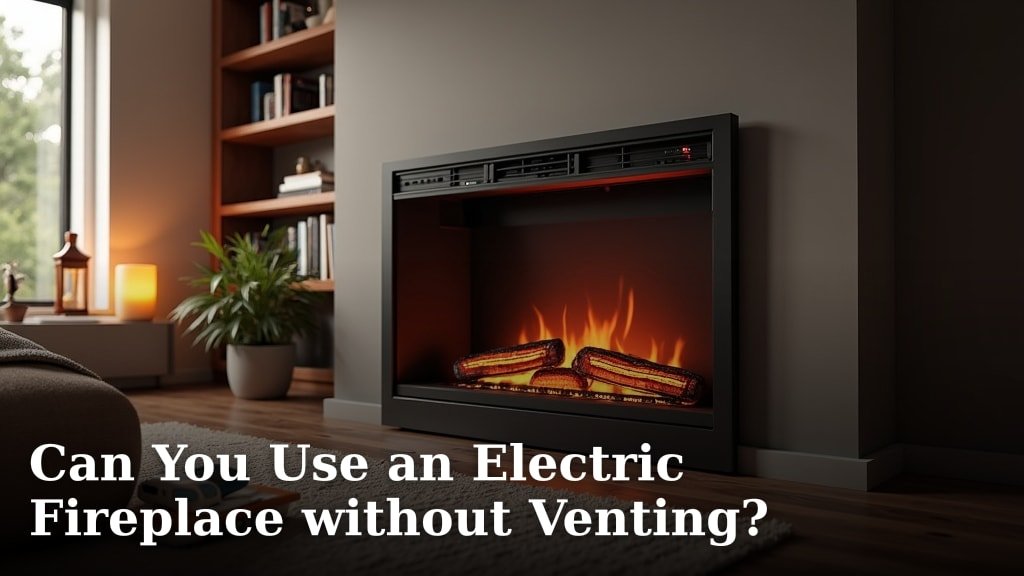
Yes, you can use an electric fireplace without venting because they don’t produce combustion byproducts like smoke or carbon monoxide. This makes them a safe and convenient heating option for almost any room in your home.
Electric fireplaces operate by heating a coil and using a fan to circulate warm air, much like a space heater. This means they are flueless and vent-free, simplifying installation significantly. We found that this key feature allows for flexible placement, from apartments to basements.
- No need for chimneys or vents.
- Safe, with no harmful emissions.
- Easy to install and move.
- Uses standard electrical outlets.
Let’s dive into why electric fireplaces are so simple to use and what you need to consider for safe operation.
Operating an Electric Fireplace Without Ventilation
Yes, you can operate an electric fireplace without any ventilation. They are designed for this purpose, unlike traditional fireplaces.
This is a big advantage. You don’t need to worry about chimneys or flues. Installation becomes much simpler. It also opens up many more placement options in your home.
How Electric Fireplaces Work (The Non-Venting Secret)
Ever wonder why electric fireplaces don’t need a vent? It’s all about how they generate heat. They don’t burn anything.
Instead, they use electricity to power a heating element. This element warms up, and a fan then blows that warm air into your room. Think of it like a fancy space heater with a pretty flame effect.
Because there’s no combustion, there are no fumes or smoke. No carbon monoxide gets produced either. This means no harmful byproducts that would need venting outside (Environmental Protection Agency).
Comparing Electric vs. Traditional Fireplaces
Let’s look at the key differences in how these fireplaces operate. Understanding this helps explain the venting needs.
| Feature | Electric Fireplace | Traditional Wood-Burning Fireplace |
|---|---|---|
| Heat Source | Electricity, heating coil | Burning wood or gas |
| Venting Needed | No | Yes (chimney, flue) |
| Combustion Byproducts | None | Smoke, carbon monoxide, ash |
| Installation Complexity | Plug-and-play | Extensive, structural |
| Maintenance | Minimal | Chimney cleaning, ash removal |
As you can see, the fundamental difference is the absence of combustion in electric models. This changes everything regarding venting requirements.
Safety Considerations for Vent-Free Operation
You might be thinking, “No vent? Is that really safe?” It’s a fair question. The answer is a resounding yes, when used correctly.
Because electric fireplaces don’t create dangerous gases, they eliminate many risks associated with traditional fireplaces. This is a significant safety benefit for your home and family.
- No carbon monoxide: This odorless, colorless gas is a serious danger with fuel-burning appliances. Electric fireplaces produce none.
- Reduced fire risk: No open flame means less risk of sparks flying or embers causing fires.
- Cool-to-touch exteriors: Many models have exteriors that remain cool, reducing burn risks, especially for children and pets.
Placement and Electrical Safety
While venting isn’t an issue, other safety points are important. Where you put your fireplace matters, and so does its power source.
Always place your electric fireplace on a stable, level surface. Make sure there’s enough clearance around it. Check the manufacturer’s recommendations for minimum distances from walls, curtains, and furniture.
For electrical safety, always plug your unit directly into a wall outlet. Avoid extension cords or power strips, as these can overheat. Ensure your outlet can handle the fireplace’s wattage to prevent electrical overloads.
Installation Flexibility and Placement Options
One of the biggest perks of not needing a vent is the freedom it gives you. You’re not tied to a wall with an existing chimney. This means you can get creative!
We found that electric fireplaces offer unparalleled flexibility. You can put them almost anywhere there’s an electrical outlet.
- Any room: Living rooms, bedrooms, basements, or even a home office.
- Apartments/Condos: Perfect for rentals where structural changes aren’t allowed.
- Mobile homes: A safe and easy heating solution.
- Standalone units: Move them from room to room as needed.
- Built-in options: Install into a wall or cabinet for a custom look without the hassle of a real firebox.
Setting Up Your Vent-Free Electric Fireplace
Ready to enjoy your new electric fireplace? The setup is usually straightforward. Here’s a quick checklist to guide you.
You’ll be surprised how quickly you can have it up and running. Most models are designed for easy, user-friendly assembly.
- Unpack carefully: Remove all packaging materials and inspect for damage.
- Choose your spot: Select a stable, level location with access to an appropriate electrical outlet.
- Assemble (if needed): Follow the manufacturer’s instructions for any assembly.
- Plug it in: Connect directly to a wall outlet.
- Test the functions: Turn on heat, flames, and any other features to ensure everything works.
Efficiency and Heating Performance Without a Vent
Since no heat escapes through a chimney, electric fireplaces are quite efficient. All the heat they produce stays right in your room.
This “zone heating” capability means you can warm up a specific area without heating your entire home. Many people use them to supplement their main heating system, saving on energy bills.
How much heat do they put out? Most electric fireplaces can heat a room of about 400 square feet. Look for models with a BTU rating of around 5,000 for this capacity. This is often enough to make a living room or bedroom feel cozy.
Maintenance for Vent-Free Electric Fireplaces
Another fantastic benefit of not having a vent? Very little maintenance! Forget about chimney sweeping or ash removal.
Your electric fireplace requires only basic care to keep it running smoothly and looking great. This means more time enjoying the warmth and less time cleaning.
We found that simple, routine tasks are all that’s needed.
- Dusting: Wipe down the exterior regularly to keep it clean.
- Fan/heater vents: Periodically vacuum these areas to prevent dust buildup.
- Light bulbs: Replace LED bulbs only when they burn out (which is rare).
- Remote control: Change batteries as needed.
That’s it! No complex inspections or professional cleaning required. It’s truly a hassle-free heating solution.
Conclusion
As we’ve covered, an electric fireplace offers a unique combination of warmth, ambiance, and peace of mind. You absolutely can use them without venting, thanks to their vent-free design and lack of combustion. This means no smoke, no carbon monoxide, and significantly reduced fire risks compared to traditional options.