Can You Burn Pine in a Wood Stove?
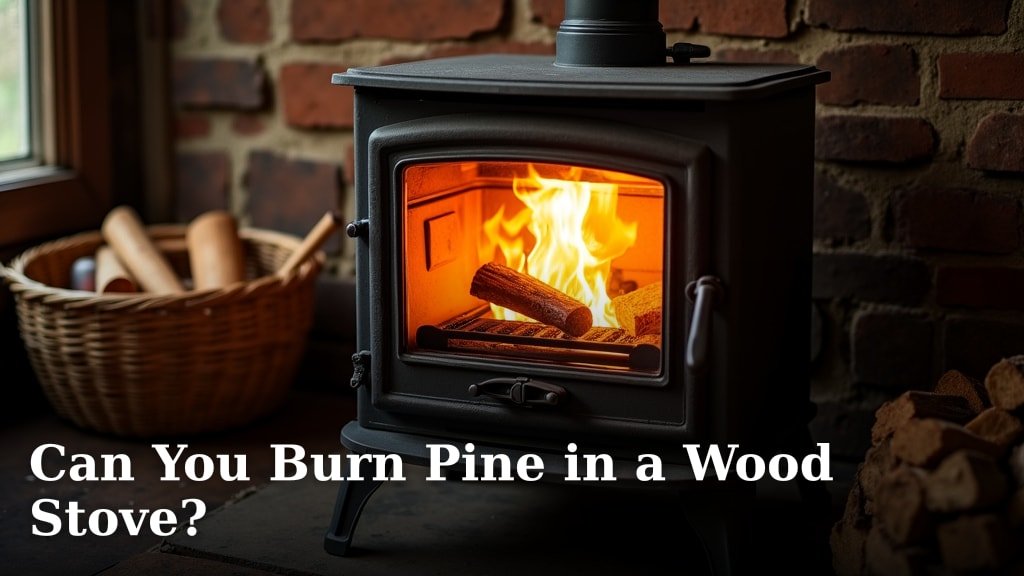
Yes, you can burn pine in a wood stove, but it’s generally best to do so with caution and proper technique. We found that pine burns hotter and faster than hardwoods due to its resin content, so it requires more frequent tending and smaller loads.
Many homeowners wonder if softwoods like pine are suitable fuel. While not ideal for a long overnight burn, pine can be a good choice for kindling or for quick, intense fires. Understanding its characteristics helps you burn it safely and efficiently in your stove without creating excessive creosote buildup.
- You can burn pine, but use it carefully.
- Pine burns hot and fast because it’s resinous.
- It’s great for kindling and quick fires.
- Avoid using pine for an all-night burn.
- Burning pine can lead to creosote buildup if not managed.
Let’s walk through exactly how to safely and effectively use pine in your wood stove, ensuring you get the most heat with the least hassle.
Using Pine as Wood Stove Fuel
You can certainly burn pine in your wood stove, but it’s important to understand its unique properties. It’s not quite the same as burning dense hardwoods, and managing it correctly makes all the difference.
Many homeowners have softwoods readily available, and pine is one of the most common. Learning how to use it safely means you can still enjoy a warm home.
Pine’s Distinct Characteristics for Burning
Pine is a softwood, which means it has some key differences from hardwoods like oak or maple. These differences directly impact how it burns in your stove.
The main thing to remember is that pine contains more resin. This resin is what makes pine smell so wonderful, but it also affects its burning properties.
Why Pine Burns Faster and Hotter
The resin in pine is essentially built-in fuel. When you light pine, that resin ignites quickly, causing the wood to burn at a higher temperature initially. This is why pine is excellent for kindling; it catches fire with ease.
However, this rapid combustion also means pine burns up faster. You’ll find yourself needing to reload your stove more frequently than with hardwoods.
Understanding Creosote and Pine
One of the biggest concerns with burning pine is creosote buildup. We found that the rapid burning and lower density of softwoods can lead to more creosote if not managed correctly (EPA).
When wood burns, it releases gases and particles. If your flue isn’t hot enough, these can condense on the chimney walls, forming creosote. Pine’s quicker burn cycle can sometimes contribute to this if you’re not careful.
The Good and Bad of Burning Pine
Like any fuel, pine has its advantages and disadvantages. Knowing these helps you decide when and how to incorporate it into your wood-burning routine.
Think of it as having different tools for different jobs. Pine is a great tool for some heating tasks, but not all.
Advantages of Using Pine
Despite some of its quirks, pine offers several benefits, especially if you have an abundant local supply.
- Excellent Kindling: Pine is fantastic for starting fires. Its quick ignition helps get your main fuel logs burning.
- Quick Heat: Need to take the chill off a room fast? Pine can provide a rapid burst of heat.
- Readily Available: In many areas, pine is more accessible and often less expensive than hardwoods.
- Easy to Split: Most pine varieties are easier to split than denser hardwoods, saving you effort.
Disadvantages of Using Pine
It’s equally important to be aware of the downsides so you can mitigate them.
- Faster Burn Time: As we discussed, you’ll need to feed your stove more often. This isn’t ideal for overnight burns.
- Lower Heat Output Per Log: While it burns hot, a single pine log doesn’t produce as much long-lasting heat as a hardwood log of the same size. You’ll need more of it.
- Higher Creosote Potential: If you don’t burn it hot enough or your wood isn’t seasoned, pine can contribute more to creosote.
- Less Coals: Pine leaves fewer lasting coals than hardwoods, meaning less residual heat after the flames die down.
Essential Tips for Burning Pine Safely and Efficiently
If you’re going to burn pine, doing it the right way is crucial. These tips will help you get the most efficient heat and minimize any risks.
It’s all about technique and understanding your stove’s behavior with this particular fuel.
Seasoning Your Pine Correctly
This is arguably the most important step for any wood, but especially for pine. Burning wet or “green” pine is a recipe for trouble.
Wet wood burns cooler, produces more smoke, and creates significantly more creosote. We found that properly seasoned wood has a moisture content below 20%.
How to Tell if Pine is Seasoned
You can usually tell if pine is seasoned by a few tell-tale signs. Look for a lighter color, cracks at the ends, and a dull thud when two pieces are knocked together. It should also feel noticeably lighter than an unseasoned piece of the same size.
Allowing pine to season for at least 6-12 months is generally recommended. Store it in a dry, well-ventilated area, off the ground, and covered on top.
Optimizing Your Fire-Starting Technique
Pine excels as kindling. Use small, dry pieces to get your fire roaring quickly. This fast, hot start helps warm the chimney flue, which is essential for efficient burning and reducing creosote.
Don’t be shy with the kindling. A good, strong initial flame sets the stage for a successful burn.
Burning Pine with Hardwoods: A Smart Strategy
Many experienced wood burners use a mix of woods. This is where pine really shines as a complementary fuel.
You can use pine to quickly get your stove up to temperature, then add slower-burning hardwoods for a long, sustained burn. This gives you the best of both worlds.
The Pine Sandwich Method
Imagine loading your stove with a “sandwich.” Start with some pine kindling and smaller pieces to get things hot. Once you have a good bed of coals and a robust fire, add larger hardwood logs. If the fire starts to wane later, a few pieces of pine can revive it quickly before adding more hardwood.
This method helps maintain a consistently hot fire, reducing creosote formation even when softwoods are used.
Managing Your Wood Stove When Burning Pine
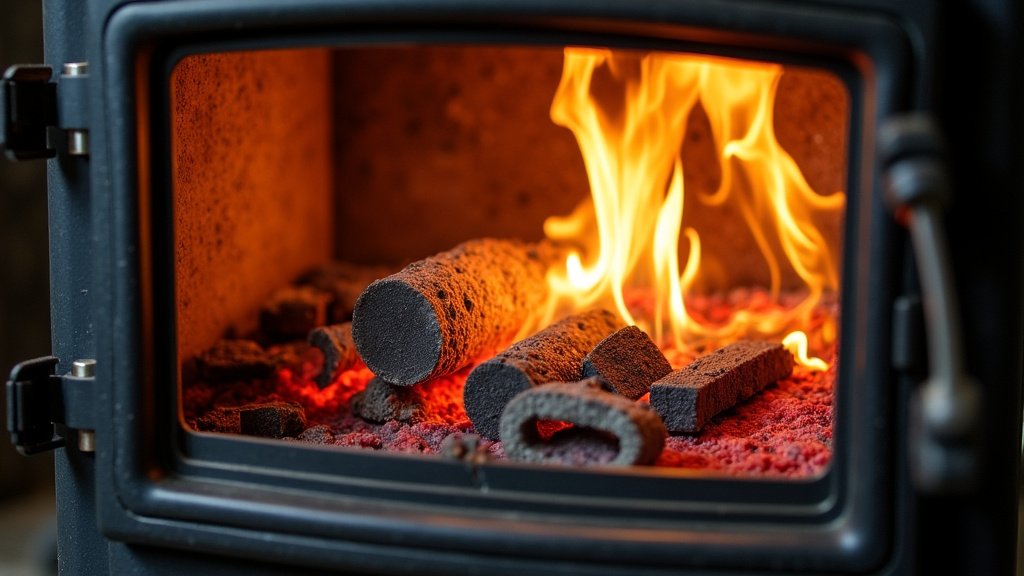
Active management is key. You’ll need to pay a bit more attention to your stove when pine is the primary fuel.
Think of yourself as the fire’s conductor, guiding its performance.
Load Size and Air Control
Because pine burns quickly, avoid overfilling your stove. Smaller, more frequent loads are often better than trying to cram in too much. This helps prevent smoldering, which is a major creosote contributor.
Use your stove’s air controls to ensure a hot, clean burn. You want active, lively flames, not slow, lazy ones that produce thick smoke.
Regular Chimney Maintenance
This is non-negotiable when burning any wood, but especially important if you burn pine often. Frequent chimney inspections and cleanings are crucial.
We recommend having your chimney professionally inspected at least once a year, and cleaned as needed. The National Fire Protection Association (NFPA) guidelines suggest yearly inspections.
A clean chimney prevents creosote fires and ensures your stove operates safely.
Quick Checklist for Burning Pine
Before you fill your stove with pine, run through this quick checklist to ensure you’re setting yourself up for success:
- Is your pine thoroughly seasoned (less than 20% moisture)?
- Do you have a mix of hardwoods available for longer burns?
- Is your chimney clean and recently inspected?
- Have you planned for smaller, more frequent loads?
- Are you prepared to monitor your fire more closely?
- Do you know how to adjust your air controls for a hot burn?
| Feature | Pine (Softwood) | Oak (Hardwood) |
|---|---|---|
| Burn Rate | Fast | Slow |
| Heat Output | Quick, intense heat spike; less lasting heat per log | Consistent, long-lasting heat; high BTU per log |
| Ease of Ignition | Very Easy (great kindling) | Moderate |
| Creosote Risk | Higher, if not properly managed (seasoning, hot burn) | Lower, generally |
| Coals Production | Few, short-lived | Many, long-lasting |
| Seasoning Time | 6-12 months | 12-24 months |
Conclusion
Burning pine in your wood stove is absolutely doable, but it’s all about method and management. You’ve learned that its rapid, hot burn is fantastic for getting fires started or taking the chill off quickly, especially when you use well-seasoned wood. While it might not be your go-to for an all-night burn, mixing pine with hardwoods creates a powerful and efficient heating strategy.
Remember, keeping your chimney clean and monitoring your stove actively are key to a safe and warm home. Now, confidently incorporate pine into your wood-burning routine, knowing you’re doing it wisely and effectively.
Frequently Asked Questions
Can burning pine damage my wood stove?
No, burning pine itself won’t damage your wood stove. The concern is primarily with creosote buildup in your chimney, which can lead to chimney fires. As long as you burn seasoned pine at hot temperatures and maintain your chimney, your stove will be just fine.
How long should pine be seasoned before burning?
We found that pine generally needs to be seasoned for at least 6 to 12 months. This allows its moisture content to drop below 20%, ensuring a cleaner, hotter burn. Properly seasoned pine prevents excessive smoke and creosote.
Is pine good for overnight burns?
Not typically. Pine burns very quickly and produces fewer long-lasting coals compared to hardwoods. This means it won’t sustain a fire throughout the night, requiring more frequent reloading. It’s better suited for quick, intense heat.
Does pine produce more smoke than other woods?
Pine can produce more smoke if it’s not well-seasoned or if you’re burning it in a smoldering fire. However, properly seasoned pine burned in a hot fire with good airflow produces less smoke. The key is always to burn dry wood efficiently.
Can I mix different types of wood in my stove?
Yes, mixing woods is a smart strategy! You can use pine to quickly establish a hot fire and get your stove and flue up to temperature. Once established, you can add denser hardwoods for longer, sustained heat. This combination approach gives you the benefits of both.