
How to Clean Wood Stove Glass?
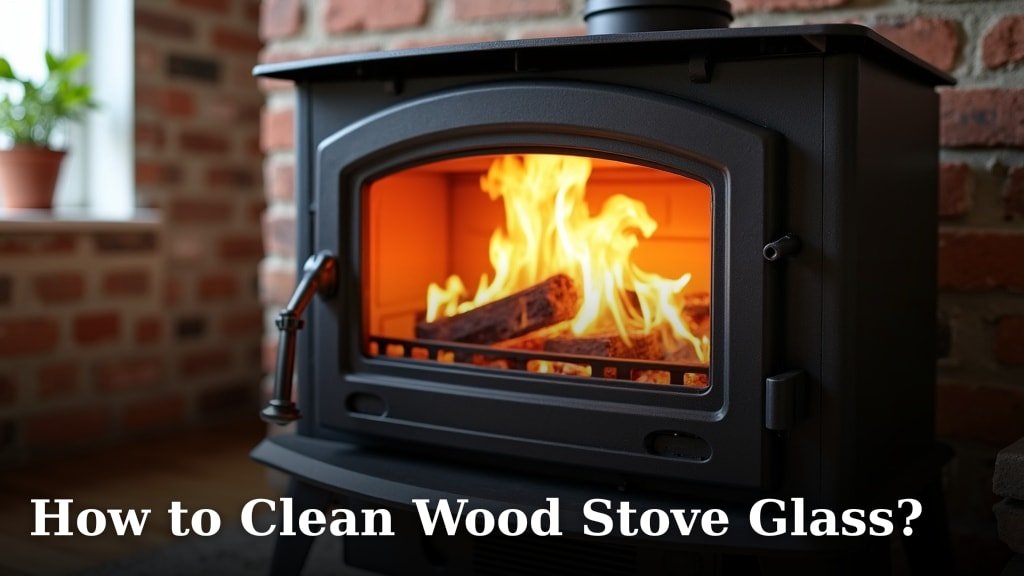
The easiest way to clean wood stove glass is by using a damp paper towel dipped in wood ash from your stove. This simple method effectively scrubs away creosote buildup, restoring clarity without harsh chemicals. You’ll find it’s surprisingly effective.
There’s nothing quite like watching the dancing flames inside your wood stove, is there? But when that beautiful view gets obscured by gunk, it’s frustrating. Learning how to get that window sparkling again is easier than you might think.
- Ash is your secret weapon for cleaning glass.
- Safety first: make sure your stove is cool.
- You’ll need a few common household items.
- Regular cleaning keeps your view clear and safe.
- We found several easy methods that really work.
Ready to bring back that crystal-clear view of your fire? Let’s walk through exactly how to clean wood stove glass and make it shine like new, step by step.
Cleaning Your Wood Stove Glass for a Clear View
You want to see those mesmerizing flames, right? Getting your wood stove glass clean is quite simple. We found that the best method taps into something you already have: wood ash.
Gathering Your Wood Stove Glass Cleaning Supplies
Before you start, let’s make sure you have everything you need. You likely have most of these items around your house. No special trips to the store are required. Preparation makes cleaning easier.
Essential Items for Wood Stove Glass Cleaning
- Clean, dry wood ash from your stove
- A few sheets of paper towel, or an old, soft rag
- A spray bottle with water
- Possibly a stiff-bristled brush (for stubborn spots)
- Newspaper or a drop cloth to protect your floor
- Rubber gloves (optional, but good for keeping your hands clean)
Safety First: Always Start With a Cold Stove
This might seem obvious, but it’s definitely worth repeating. Always ensure your wood stove is completely cold before attempting to clean the glass. We found that waiting at least 12-24 hours after the last fire is best. You don’t want to risk burns or damage to the glass. Safety is always your top priority when working with your stove (U.S. Consumer Product Safety Commission).
The Ash Method: Your Best Friend for a Clean View
This is the hero method. It’s inexpensive, effective, and uses a natural byproduct of your stove. Wood ash is slightly abrasive, which helps scrub away the grime without scratching the glass. You’ll be amazed how well it works.
Step-by-Step Ash Cleaning Process
Let’s walk through this together. It’s a very straightforward process that yields great results.
- Prepare Your Area: Lay down newspaper or a drop cloth in front of your stove. This catches any drips or ash. You want to keep your floor clean.
- Dampen Your Paper Towel: Lightly mist a piece of paper towel with water. It should be damp, not soaking wet. Too much water dilutes the ash.
- Dip in Ash: Dip the damp paper towel into your fine, dry wood ash. You want to pick up a good amount. The ash will stick to the damp towel.
- Scrub the Glass: Gently scrub the dirty areas of your stove glass in a circular motion. Apply firm, but not excessive, pressure. You’ll see the creosote and soot start to come off.
- Reload and Repeat: As the paper towel gets dirty, throw it away. Get a fresh, damp piece, dip in ash, and continue scrubbing. Keep doing this until the worst of the grime is gone.
- Wipe Clean: Once you’ve scrubbed the whole surface, use a clean, damp paper towel or a clean, soft cloth to wipe away all the ash residue. You want the glass completely clear.
- Final Polish: For a streak-free shine, finish with a dry paper towel or microfiber cloth. Buff the glass until it sparkles. Doesn’t that look better?
What Makes Wood Ash So Effective?
You might wonder why wood ash works so well. We found that ash contains tiny abrasive particles, much like a very fine sandpaper. This helps to gently scrub off the baked-on soot and creosote. Plus, it’s slightly alkaline, which can help break down some of the stubborn deposits. It’s a natural cleaner, straight from your fire.
Dealing with Stubborn Stains on Wood Stove Glass
Sometimes, the creosote can be extra persistent. Don’t worry, there are a few tricks for those really tough spots. You might need a little more elbow grease, or a slightly different approach. Patience is key with stubborn stains.
For Extra-Thick Creosote Buildup
If the ash method isn’t quite cutting it, try this variation. We found that a stiffer scrubber can help. Consider using a scrubber sponge designed for non-stick pans or a brass-bristled brush. Be gentle, though, as metal brushes can scratch if used too aggressively. Always test in a small, hidden area first if you’re concerned.
Vinegar and Water Solution
Another option for very stubborn patches is a vinegar solution. Mix equal parts white vinegar and water in a spray bottle. Spray it on the tough spots and let it sit for a few minutes. Then, try scrubbing again with the ash method. The acidity of the vinegar can help loosen the creosote, making it easier to remove. We found it’s a good step to add before the ash, or after for a final clean.
When to Use Commercial Wood Stove Glass Cleaners
You may see commercial cleaners at the hardware store. Are they necessary? Generally, no. The ash method is incredibly effective for most regular cleaning. However, if you have extremely heavy, baked-on creosote that the ash and vinegar methods can’t touch, then a commercial cleaner might be an option. We recommend using them sparingly and always following the manufacturer’s instructions carefully. These cleaners often contain strong chemicals, so ensuring good ventilation is crucial (Occupational Safety and Health Administration).
Why Does Your Wood Stove Glass Get Dirty So Quickly?
Ever wonder why your nice clean glass gets dirty again so fast? There are a few common reasons. Knowing these can help you keep your glass cleaner for longer. It’s often related to how you’re operating your stove.
Common Causes of Sooting Glass
- Burning Wet Wood: This is a big one. Wet or unseasoned wood creates a lot of smoke and burns at a lower temperature. This leads to more creosote forming and dirtying your glass. You want wood with a moisture content of 20% or less.
- Insufficient Airflow: If your stove damper is closed too much, the fire isn’t getting enough air. This results in a smoldering fire that produces more smoke and soot. A good fire needs good airflow.
- Low Firebox Temperature: Fires that are too cool don’t burn off the volatile gases properly. This leads to incomplete combustion and, you guessed it, more creosote buildup on the glass.
- Overloading the Stove: Packing too much wood into your stove can also restrict airflow and lower firebox temperatures. Give your fire room to breathe.
Tips for Keeping Your Wood Stove Glass Cleaner Longer
Prevention is always better than cure, right? By making a few small changes to how you operate your stove, you can significantly reduce how often you need to clean the glass. We found these tips to be very helpful.
Your Checklist for a Clearer View
- Always burn dry, seasoned firewood.
- Ensure adequate airflow by adjusting your dampers correctly.
- Build hot, bright fires that combust efficiently.
- Avoid overpacking the firebox with too much wood.
- Consider using a stove thermometer to monitor temperature.
| Cleaning Method | Pros | Cons |
|---|---|---|
| Wood Ash & Water | Inexpensive, natural, very effective, no harsh chemicals, uses existing stove byproduct. | Can be messy, requires frequent paper towel changes, need a source of ash. |
| Vinegar & Water | Natural, helps loosen stubborn buildup, good pre-treatment, readily available. | Less effective on its own for heavy creosote, smell can be strong for some. |
| Commercial Cleaners | Very powerful for extreme buildup, convenient spray application. | Expensive, contains harsh chemicals, requires good ventilation, can be corrosive if not used correctly. |
You can clearly see that the wood ash method is your best bet for regular cleaning. It’s efficient, eco-friendly, and simple. Plus, it saves you money on specialized cleaning products. What’s not to love about that?
Conclusion
You now have all the tools to keep your wood stove glass spotless. We covered cleaning with wood ash, tackling stubborn stains, and even using commercial cleaners when truly needed. More importantly, you understand why your glass gets dirty and how to prevent it.
By burning dry wood and managing airflow effectively, you’ll enjoy a clear view for longer periods. Embrace the simple ash method for regular cleaning. Go ahead, give your stove glass the care it deserves and enjoy those beautiful flames once more.
Frequently Asked Questions
Is it okay to use oven cleaner on wood stove glass?
No, we strongly advise against using oven cleaner on your wood stove glass. Oven cleaners contain harsh chemicals that can damage the specialized glass, often causing etching or discoloration. Stick to methods designed for stove glass to keep it safe and clear.
How often should I clean my wood stove glass?
You should clean your wood stove glass as often as needed, usually every few fires or whenever you notice significant buildup. Regular, light cleaning prevents creosote from baking on too hard, making the job much easier. We found that consistency is key.
Can I use newspaper instead of paper towels for cleaning?
Yes, you can absolutely use crumpled newspaper instead of paper towels. The slight abrasion of newspaper works similarly to the ash. Just be aware that newspaper ink might transfer slightly, so follow up with a clean, damp cloth to remove any residue.
Why is my wood stove glass turning black so quickly after cleaning?
Glass turning black quickly often points to burning unseasoned wood or operating your stove with insufficient air. These issues cause incomplete combustion and produce more smoke and creosote. We found checking your wood moisture and air damper settings usually helps.
Does heat clean wood stove glass?
Yes, to some extent. Many modern wood stoves have an “air wash” system that directs hot air over the inside of the glass. This helps burn off some of the particulates and keeps the glass cleaner during operation. However, it won’t fully eliminate all buildup, especially if you’re not burning efficiently.
