Is a Wood Stove Worth It?
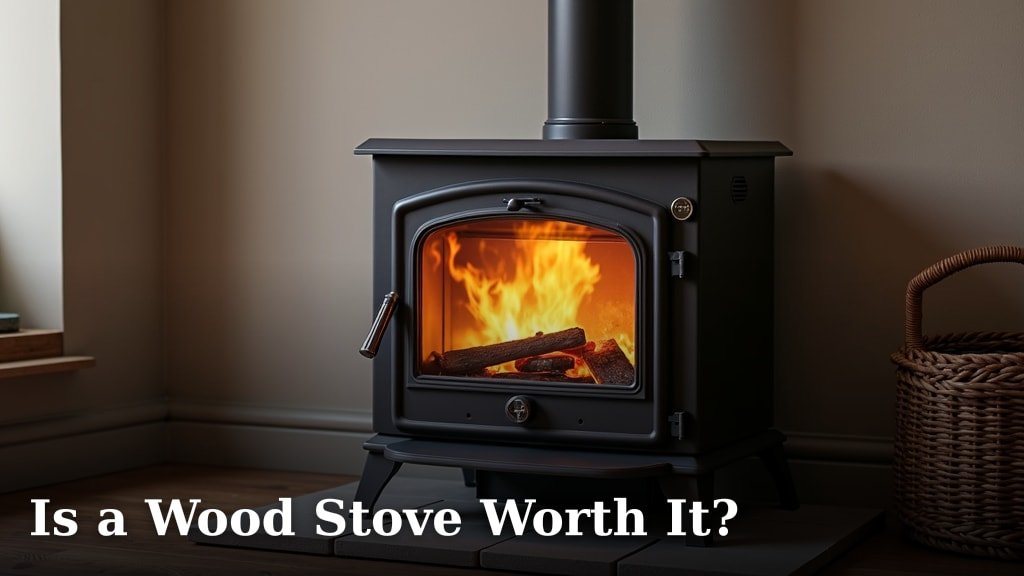
Yes, a wood stove can absolutely be worth it for many homeowners, offering significant benefits like lower heating costs and charming ambiance. We found that they provide a reliable, independent heat source, which is great during power outages.
Wood stoves are often considered a smart investment, especially if you have access to affordable firewood. You can enjoy a cozy atmosphere, and many appreciate the independence from utility companies. Are you looking to save money or simply love the crackle of a warm fire?
- Wood stoves can cut heating bills.
- They offer a reliable backup heat.
- You get a wonderful, cozy feeling.
- There’s an upfront cost to consider.
Let’s dive into all the details to help you decide if a wood stove is truly right for your home and lifestyle.
Considering a Wood Stove for Your Home?
Deciding if a wood stove is right for you involves looking at several factors. It’s about more than just warmth; it’s a commitment. We’ll help you break down the pros and cons to see if it fits your life.
The Upside: Why Folks Love Their Wood Stoves
Many homeowners find deep satisfaction in owning a wood stove. The benefits can be quite compelling, especially if you’re looking for savings and a cozy home.
Significant Heating Cost Savings
One of the biggest draws is the potential to cut down on heating bills. If you have access to affordable firewood, wood can be much cheaper than electricity, oil, or propane. This is especially true if you can harvest your own wood (responsibly, of course!).
We found that many people see their heating costs drop significantly. You’re less dependent on energy prices fluctuating, giving you more control over your budget. Imagine not dreading your winter utility bill!
Reliable Heat During Power Outages
When the power goes out, most modern heating systems stop working. A wood stove, however, keeps on burning. It’s a fantastic backup heat source, keeping your family warm and safe even in a blackout.
This independence can be a huge comfort during storms or other emergencies. No electricity needed means you’re self-sufficient for warmth. Many prioritize this peace of mind above all else.
Cozy Ambiance and Comfort
Nothing quite compares to the warm glow and crackle of a wood-burning fire. It creates an atmosphere that’s hard to replicate with other heating methods. It turns your living space into a truly comforting sanctuary.
Many find the experience deeply relaxing and inviting. It’s more than just heat; it’s a feeling. You might find yourself gathering around the fire more often, creating lasting memories with loved ones.
The Downsides: What to Consider Before You Buy
While the benefits are clear, it’s also important to look at the challenges. A wood stove requires effort and ongoing care. It’s not quite “set it and forget it.”
Upfront Costs and Installation
A new wood stove setup involves a few different costs. You’ll need to buy the stove itself, which can range from hundreds to several thousands of dollars. Then there’s the installation cost, including the chimney and hearth.
If you don’t have an existing chimney, this can add substantially to the price tag. We recommend getting professional quotes for both the stove and installation to understand the full investment.
You also need to think about building codes and permits. These vary by location (EPA). Make sure all work meets local regulations for safety.
Effort of Firewood Management
Heating with wood isn’t passive. You’ll need to source, store, split, and stack firewood. This is a physical and time-consuming task. Do you have the space for a woodpile?
The wood needs to be seasoned properly (dried) for efficient burning. Wet wood burns poorly and creates more creosote, which is a fire hazard. We found that proper firewood management is key to a good wood stove experience.
Maintenance and Cleaning
Wood stoves require regular maintenance. You’ll need to clean out ash frequently, sometimes daily when in heavy use. The chimney also needs cleaning, or “sweeping,” at least once a year to prevent creosote buildup and reduce fire risk (Chimney Safety Institute of America).
This isn’t a task to overlook. A dirty chimney is a dangerous chimney. You can hire a professional or learn to do it yourself, but it’s an undeniable part of wood stove ownership.
Is a Wood Stove Environmentally Friendly?
This is a common question, and the answer is a bit nuanced. Modern wood stoves are much cleaner than older models. The Environmental Protection Agency (EPA) sets standards for emissions.
EPA-certified stoves burn wood more completely, producing less smoke and particulate matter. If you buy a new, certified stove and burn seasoned wood correctly, the environmental impact is greatly reduced compared to older models.
Wood is a renewable resource, unlike fossil fuels. When harvested sustainably, it’s considered a carbon-neutral fuel source. This means the carbon released when burning wood is roughly equivalent to what the tree absorbed during its lifetime.
The Long-Term Value: Investment vs. Expense
Think of a wood stove as an investment in your home and comfort. The initial costs can seem high, but the potential savings on heating bills can add up over time. Many see a payback period after several years.
| Consideration | Benefit for Wood Stove Owners | Potential Drawback |
|---|---|---|
| Heating Costs | Significantly lower, greater control. | Requires consistent firewood supply. |
| Reliability | Independent heat during outages. | Requires manual effort to operate. |
| Ambiance | Cozy, inviting atmosphere. | Not everyone enjoys the smell of smoke. |
| Environmental | Renewable, cleaner with modern stoves. | Particulate emissions if not used properly. |
| Maintenance | Simple daily ash removal. | Annual chimney sweeping needed. |
Checklist: Is a Wood Stove Right for You?
Before you commit, ask yourself these questions. Your answers will help clarify if a wood stove fits your lifestyle and home.
- Do you have ready access to affordable firewood?
- Are you willing to dedicate time to managing firewood (splitting, stacking)?
- Is the thought of daily ash removal and annual chimney cleaning acceptable?
- Do you enjoy the process of building and tending a fire for warmth?
- Do you value heating independence during power outages?
- Do you want to create a cozier, more traditional home atmosphere?
If you answered “yes” to most of these, a wood stove could be a perfect fit for you!
Conclusion
Deciding if a wood stove is for you comes down to what you value most. We’ve seen they offer real savings and cozy comfort. You gain reliable heat, especially during outages. While they demand some effort, many find the benefits far outweigh the challenges.
Think about your access to wood and your willingness to maintain it. If you’re ready for a hands-on heating approach, a modern wood stove could be a rewarding investment. Take time to weigh these factors for your home and lifestyle.
Frequently Asked Questions
How much space do I need for firewood storage?
You’ll need a dry, covered area for storing firewood. This protects it from rain and keeps it seasoned. A typical cord of wood needs about 4x4x8 feet of space.
Can a wood stove heat my entire home?
Many modern wood stoves are highly efficient and can heat a large portion, if not all, of your home. This depends on your home’s insulation, the stove’s size, and its placement. Proper sizing is key.
What kind of wood is best for burning?
Hardwoods like oak, maple, and ash are ideal for wood stoves. They burn hotter and longer than softwoods. Always use well-seasoned wood with a moisture content below 20%.
Is it difficult to install a wood stove?
Wood stove installation can be complex, especially if you need a new chimney system. It’s crucial to follow local building codes and safety regulations. We strongly recommend hiring a certified professional for installation.
How often should I clean my chimney with a wood stove?
For safety and efficiency, your chimney should be inspected and cleaned at least once a year. If you burn your stove frequently or exclusively, you might need cleanings more often. This prevents dangerous creosote buildup.
