
How Long Does It Take to Season Firewood?
To season firewood properly, it typically takes anywhere from 6 months to 2 years. The exact time depends on the wood type and your local climate. Your goal is to reduce the moisture content for an efficient, clean burn.
You want to get the wood’s moisture down to below 20%. This process, called seasoning or curing, prevents excess smoke and creosote buildup. Properly dried wood also gives off more heat and is much easier to light.
- Wood type impacts seasoning time.
- Humidity and airflow matter a lot.
- Green wood has too much moisture.
- Aim for moisture content below 20%.
- Seasoning improves burn quality and heat output.
So, how do you achieve this perfect burn? Let’s walk through everything you need to know about seasoning your firewood for optimal performance and warmth.
Optimizing Firewood Seasoning Times
So, you’re wondering about the nitty-gritty of seasoning times, right? How long until that wood is truly ready for your fire pit or stove? We found that most types of firewood need between 6 months and 2 years to properly season. This timeframe isn’t just a guess; it’s about getting the moisture content low enough for an optimal burn. It truly varies based on several key factors, which we’ll explore together.
Factors Influencing Seasoning Duration
Think of seasoning like drying clothes. Some fabrics dry faster than others. The same goes for wood. Many elements come into play, making a “one size fits all” answer tricky. We’ll break down the big ones for you.
Wood Type and Density
This is perhaps the biggest factor. Different trees have different natural moisture levels and densities. Hardwoods, like oak or maple, are much denser and often have higher initial moisture. They can take longer to season than softer woods.
- Hardwoods: Generally need 1-2 years. Examples include oak, maple, hickory, and ash. They’re dense and hold more water.
- Softwoods: Often ready in 6-12 months. Pine, fir, spruce, and cedar are good examples. They’re less dense and release moisture faster.
We’ve often heard people say that a dense oak log feels heavier when green than a pine log of the same size. That extra weight is mostly water, and it needs to evaporate.
Climate and Humidity
Your local weather plays a huge role. If you live in a dry, arid climate, your wood will season faster. If you’re in a humid region, especially with lots of rain, the process will naturally take longer.
We found that constant high humidity can significantly slow down drying. Think of trying to dry clothes outside on a rainy day. It’s tough! Good ventilation is especially important in these conditions.
Wood Processing (Splitting and Stacking)
This is where you can take control and speed things up. Simply put, smaller pieces dry faster. Have you ever noticed how a small twig dries quicker than a thick branch?
- Splitting: Split logs expose more surface area to air and sunlight, allowing moisture to escape. Unsplit rounds take much longer.
- Stacking: Proper stacking creates airflow. Don’t just pile your wood in a mound! Air needs to circulate around each piece.
Many experts recommend splitting logs soon after felling. The sooner you expose that inner wood, the sooner the drying process begins.
Signs Your Firewood is Ready
How do you know when your firewood is truly seasoned? You’re not going to carry a moisture meter everywhere, right? While a moisture meter is the most accurate tool, there are several practical signs you can look for. These visual and auditory cues can give you a good indication.
Visual and Auditory Cues
Imagine tapping two pieces of wood together. Do they sound dull or sharp? This simple test can tell you a lot. These are the classic “old-timer” methods that still hold up.
Appearance of the Wood
Seasoned wood looks different from green wood. It’s not just about color. You’ll notice some clear distinctions.
- Color: Seasoned wood usually looks duller, often grayish or faded, compared to the vibrant color of green wood.
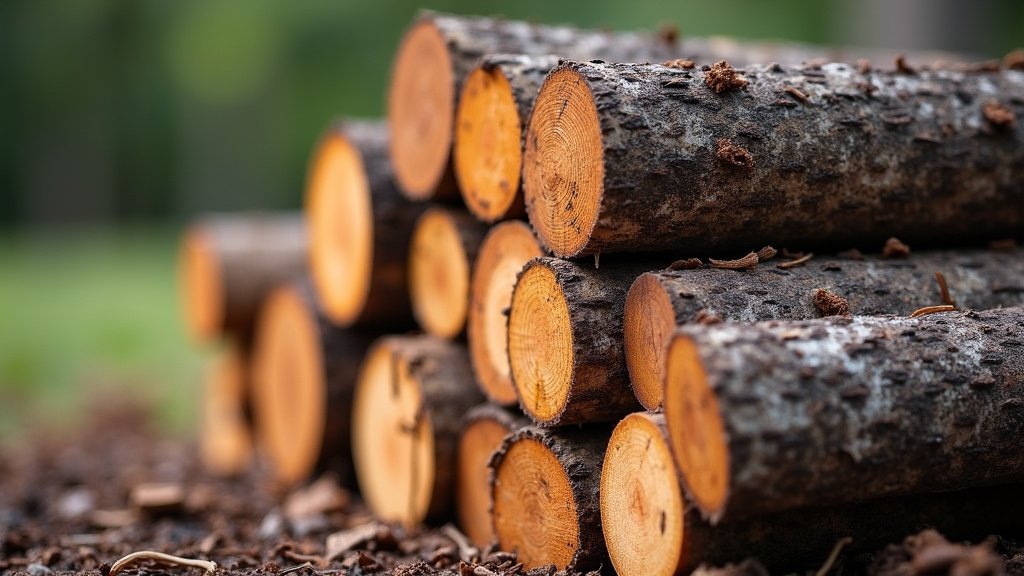
- Cracks (Checking): You’ll see small cracks, often called “checking,” at the ends of the logs. These are a great sign that the wood is drying out and shrinking.
- Loose Bark: The bark on seasoned wood often peels away easily or is already falling off. On green wood, the bark is usually tightly adhered.
We found that checking at the ends is one of the most reliable visual indicators. It means the wood is actively releasing moisture from its core.
Sound and Weight
Pick up a log. Does it feel heavy? How does it sound when you tap it? These are simple, yet effective, tests.
- Weight: Seasoned wood will feel noticeably lighter than a fresh-cut, green log of the same size. Remember, most of the initial weight is water.
- Sound: Tap two pieces of seasoned wood together. They should produce a clear, hollow sound, often described as a “clink.” Green wood, in contrast, makes a dull thud.
Many old-timers swear by the “thud vs. clink” test (University of Maine). It’s surprisingly accurate once you get a feel for it.
Smell
Take a deep breath and smell the wood. What do you notice?
- Seasoned Wood: Has a faint, dry, woody smell. It smells like, well, wood!
- Green Wood: Often has a stronger, fresh, sappy, or even slightly sour odor.
The absence of that strong, fresh-cut smell is a good indicator that the wood’s moisture content has significantly decreased.
The Best Practices for Speedy Seasoning
You want your wood ready sooner rather than later, right? There are definite steps you can take to accelerate the seasoning process. It’s all about maximizing exposure to air and sun while protecting from rain.
Optimizing Your Wood Storage
Where and how you store your wood can make a world of difference. It’s like finding the perfect spot for your laundry to dry quickly.
Splitting Early and Consistently
This step cannot be overstated. We found that splitting logs soon after felling exposes more surface area. This means more places for moisture to evaporate from.
Aim for logs that are consistently sized. About 4-6 inches in diameter is ideal for most stoves and fireplaces. Smaller pieces will dry faster, but too small and they’ll burn up too quickly.
Proper Stacking Techniques
Don’t just throw your wood into a pile. Proper stacking is essential for airflow. Think of building a tiny house for your wood, but with lots of windows!
- Elevate: Keep wood off the ground using pallets or scrap lumber. This prevents moisture absorption from the soil and promotes air circulation underneath.
- Airflow: Stack logs in rows with the cut ends facing out. Leave small gaps between pieces for air to move through. A common method is a criss-cross stack at the ends to provide stability and ventilation.
- Sunlight and Shelter: Position your woodpile in a sunny, open area. Then, cover the top of the pile to protect it from rain and snow. Many use a tarp, but make sure the sides remain open for air circulation.
We often recommend a simple wood shed or a well-placed tarp that covers only the top 12-18 inches of the pile. This keeps rain off while still allowing crucial side ventilation.
Moisture Meter: Your Best Friend for Precision
While visual cues are helpful, nothing beats the accuracy of a moisture meter. If you’re serious about burning efficiently, this tool is a smart investment. It removes all the guesswork.
A good moisture meter will give you a digital reading of the wood’s moisture content. You’re aiming for below 20%. Anything above that means less heat, more smoke, and potential creosote buildup in your chimney. We found that many professional arborists and firewood suppliers rely on these meters.
Here’s a quick checklist for optimal seasoning:
- Split wood soon after cutting.
- Stack wood off the ground.
- Ensure ample airflow in your stack.
- Cover the top of the pile to prevent rain.
- Store in a sunny, breezy location.
- Consider a moisture meter for accuracy.
Seasoning Timeline by Wood Type (General Guide)
To give you a clearer picture, here’s a general guide for how long different wood types typically take to season under good conditions. Remember, these are estimates.
| Wood Type | Density | Typical Seasoning Time (Good Conditions) | Notes |
|---|---|---|---|
| Oak (Red/White) | High | 18-24 months | Very dense; high heat output once seasoned. |
| Maple (Sugar/Red) | High | 12-18 months | Excellent heat; seasons a bit faster than oak. |
| Hickory | Very High | 18-24 months | Extremely dense; incredible heat, but takes time. |
| Ash | Medium-High | 6-12 months | Seasons relatively quickly for a hardwood. |
| Birch | Medium | 6-12 months | Good heat; bark can slow drying if left on. |
| Pine | Low | 6-9 months | Quickest to season; good for kindling or short burns. |
| Fir/Spruce | Low | 6-9 months | Similar to pine; best used for quick fires. |
| Poplar/Aspen | Very Low | 6 months | Lightest wood; seasons fastest, but burns quickly. |
As you can see, there’s a significant difference between a dense hardwood like oak and a lighter softwood like pine. Planning ahead is key!
Conclusion
Properly seasoned firewood is truly worth the wait. While it takes anywhere from 6 months to 2 years, your patience pays off with cleaner burns, more heat, and less chimney creosote. Remember that wood type, climate, and how you process and stack your logs all play a big part in the drying timeline.
By splitting early, stacking correctly for airflow, and protecting from rain, you can significantly speed up the process. We encourage you to invest in a moisture meter for real accuracy. Knowing your wood is below 20% moisture ensures you get the most efficient and enjoyable fire every time. Start seasoning today for warmer, safer fires tomorrow!
Frequently Asked Questions
Can you burn unseasoned (green) firewood?
While you technically can burn green firewood, we strongly advise against it. Unseasoned wood contains a lot of moisture, making it hard to light and produce very little heat. It also creates excessive smoke and dangerous creosote buildup in your chimney, increasing fire risk.
What happens if I burn firewood that isn’t fully seasoned?
Burning unseasoned wood leads to several problems. You’ll experience more smoke, a duller flame, and significantly less heat output. It also increases creosote accumulation in your chimney, which is a fire hazard. We found it’s simply not efficient or safe.
Does firewood season faster in summer?
Yes, firewood generally seasons faster during warmer, drier months, especially in summer. The increased heat and lower humidity help draw moisture out of the wood more quickly. However, good airflow and protection from rain are still critical, regardless of the season.
How can I tell if my firewood is seasoned without a moisture meter?
You can look for visual cues like faded color, cracks (checking) at the ends, and loose bark. Seasoned wood will also feel lighter and produce a hollow “clink” sound when two pieces are tapped together. It should have a faint, dry woody smell, not a fresh, sappy odor.
Is it possible to season firewood too much?
It’s very difficult to “over-season” firewood in typical backyard storage. While wood can eventually reach equilibrium with ambient humidity (around 8-12% moisture in dry climates), it won’t degrade its burning quality. Very old, exposed wood might start to rot, but that’s a different issue than being too dry for burning.