What Firewood Burns the Longest?
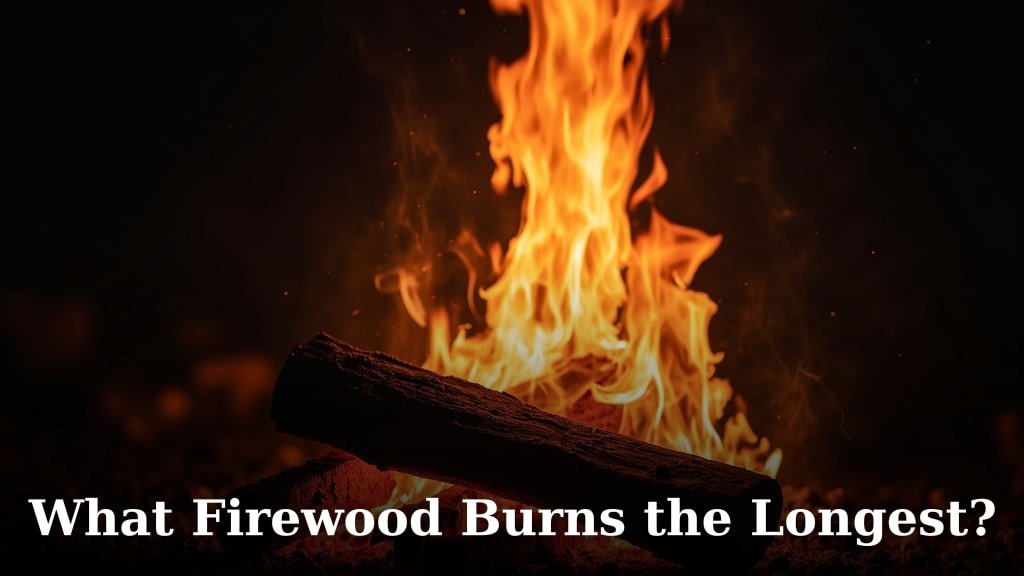
When it comes to what firewood burns the longest, Our guide on what is the best wood for a wood stove can help you choose the right fuel for your heating needs.dense hardwoods are your best bet. Woods like Oak, Maple, and Hickory have a higher British Thermal Unit (BTU) count, meaning they produce more heat and burn slowly. This makes them ideal for a sustained, warm fire.
You’re looking for wood that will keep your home cozy without constant reloading, right? We found that hardwoods offer superior burn times compared to softer woods. They also tend to create fewer sparks and less creosote buildup in your chimney, making for a safer burn.
TL;DR:
- Hardwoods burn longest and hottest.
- Oak, Maple, and Hickory are top choices.
- Softwoods burn faster and produce less heat.
- Look for seasoned wood for the best results.
- Avoid burning treated or green wood.
Let’s dive into the specifics of why certain woods outperform others and how you can choose the best firewood for your needs.
Understanding What Makes Firewood Burn Longer
You want a fire that provides steady warmth without constant fuss, right? We’ve found that several key factors influence how long your firewood will burn. It’s not just about the type of tree; it’s also about its density, moisture content, and even how it was prepared.
Think of it like cooking: a slow-cooked meal needs denser ingredients and the right heat. Firewood works similarly. The more energy packed into each piece, the longer it will sustain your flame.
Density: The Weighty Difference
When we talk about density in firewood, we’re essentially talking about how much wood fiber is packed into a given volume. Denser woods contain more combustible material per log. This is why hardwoods consistently outperform softwoods.
Imagine holding a feather and a rock of the same size. The rock is much denser. In firewood terms, that rock would burn longer. This higher density means the wood takes more time to break down and release its energy, leading to a much longer burn time (U.S. Forest Service).
Hardwoods vs. Softwoods Explained
You often hear about hardwoods and softwoods. But what does that really mean for your fire? Hardwoods come from deciduous trees, which lose their leaves in the fall. These trees grow slower, leading to denser wood fibers.
Softwoods, on the other hand, come from coniferous trees like pines and firs. They grow faster and have a less dense cellular structure. This difference in structure is the main reason hardwoods burn longer and hotter.
- Hardwoods: Generally from deciduous trees, slower growing, very dense, higher BTU, longer burn.
- Softwoods: Generally from coniferous trees, faster growing, less dense, lower BTU, shorter burn.
Moisture Content: The Enemy of a Long Burn
Have you ever tried to burn a piece of wood that felt heavy and smelled damp? It probably hissed and struggled to light. That’s because of its moisture content. Green wood is full of water, which has to evaporate before the wood can truly burn.
This evaporation process consumes a lot of energy, robbing your fire of heat. It means a significant portion of your fire’s energy is spent drying the wood, not producing warmth. This is why “seasoned” wood is so important.
The Importance of Seasoned Wood
Seasoned wood is simply wood that has been cut, split, and allowed to dry for an extended period, usually 6-12 months. This process reduces its moisture content significantly. You’ll know wood is seasoned when it has:
- Darkened ends with visible cracks.
- A hollow sound when two pieces are knocked together.
- Less than 20% moisture content (many experts say 15-20% is ideal for burning).
Burning properly seasoned wood means your fire can focus all its energy on producing heat, giving you a longer, more efficient, and much cleaner burn. It also drastically reduces creosote buildup in your chimney, which is a major safety concern (Chimney Safety Institute of America).
Top Firewood Choices for Extended Burns
When you’re aiming for a fire that lasts all night or provides consistent warmth for hours, certain wood types rise above the rest. We’ve done the research and found that some hardwoods consistently deliver superior results.
These woods aren’t just dense; they also tend to have good coaling properties. This means they form hot embers that continue to radiate heat long after the flames have died down.
The Hardwood Hall of Fame
Here are the champions of long-burning firewood. You’ll notice a theme here: all of them are hardwoods, and they are known for their exceptional density and heat output.
- Oak (Red and White): A true powerhouse. Oak is incredibly dense and burns very hot and for a long time. It produces excellent coals. The only downside is it can take longer to season, often a year or more.
- Maple (Sugar and Red): Another excellent choice. Maple is dense, burns cleanly, and offers a good, long burn time. It’s easier to split than some other hardwoods.
- Hickory: Often considered the gold standard, especially for cooking and smoking, but also fantastic for heating. Hickory is extremely dense, produces intense heat, and leaves behind long-lasting coals. It can be tough to split.
- Ash: A very popular choice because it burns well even when relatively “green” (though seasoned is always better!). Ash splits easily and offers a respectable burn time and good heat.
- Birch (Yellow and White): While not quite as dense as oak or hickory, birch still offers a good, steady burn. White birch bark is also a fantastic fire starter, even when wet.
Firewood Comparison Chart: Burn Time and Characteristics
To give you a clearer picture, here’s a quick comparison of common firewood types. This table will help you see at a glance which woods offer the best long-term heat.
| Wood Type | Density (Approx.) | Burn Time | Heat Output (BTUs) | Coaling Property |
|---|---|---|---|---|
| Oak | High | Very Long | Very High | Excellent |
| Maple | High | Long | High | Very Good |
| Hickory | Very High | Very Long | Very High | Excellent |
| Ash | Medium-High | Medium-Long | High | Good |
| Birch | Medium | Medium | Medium-High | Good |
| Cherry | Medium | Medium | Medium | Good |
| Pine | Low | Short | Low | Poor |
| Fir | Low | Short | Low | Poor |
As you can see, the higher the density, the longer the burn time and the higher the heat output. This chart reinforces why focusing on hardwoods is your best strategy for a lasting fire.
Factors That Decrease Firewood Burn Time
Just as some things help wood burn longer, others will shorten its lifespan in your firebox. Knowing these factors can help you avoid common mistakes and get the most out of your firewood supply.
It’s like trying to get mileage from a car with a leaky gas tank. If you’re losing energy somewhere, you won’t go as far. The same principle applies to your firewood.
The Downside of Softwoods
We’ve touched on this, but it bears repeating: softwoods just don’t burn as long. While they are great for kindling or getting a fire started quickly, they are not your friend for sustained heat.
Pines, firs, spruces, and cedars are all examples of softwoods. They ignite easily, burn hot and fast, but produce fewer BTUs and leave behind less residual heat. They also tend to produce more sparks and creosote (Environmental Protection Agency).
Unseasoned or “Green” Wood
This is perhaps the biggest culprit for short burn times and poor performance. We found that trying to burn green wood is a recipe for frustration. It struggles to ignite, hisses and bubbles, and produces a lot of smoke.
Because so much energy is spent boiling off water, a green log will give you a weak, short-lived flame. It also creates a lot more creosote, which can lead to dangerous chimney fires. Always choose seasoned wood!
Improper Storage and Preparation
Even if you have the best hardwood logs, how you store and prepare them matters. If your seasoned wood gets wet again, its moisture content will rise, undoing all that hard work.
Logs that are too large might struggle to catch fully, while logs that are too small will burn through quickly. There’s a sweet spot for log size that maximizes both burn time and heat output. You want pieces that are easy to handle and fit your firebox well.
Your Checklist for Longer-Lasting Fires
To help you put all this information into practice, we’ve put together a simple checklist. Follow these steps, and you’ll be well on your way to enjoying a fire that burns longer and more efficiently.
Think of this as your secret weapon against cold nights and constant log reloading. A little preparation goes a long way!
- Prioritize dense hardwoods like Oak, Maple, and Hickory.
- Ensure your wood is properly seasoned (dry and cracked ends).
- Aim for wood with a moisture content below 20%.
- Store your firewood in a dry, elevated, and well-ventilated area.
- Split logs to an appropriate size for your firebox (generally 4-6 inches in diameter).
- Avoid burning softwoods for sustained heat; save them for kindling.
Conclusion
You now know the secret to a long-lasting, cozy fire: dense, well-seasoned hardwoods. We’ve shown that prioritizing woods like Oak, Maple, and Hickory, with their high BTU and coaling properties, will give you sustained warmth and fewer trips to the woodpile. By avoiding green wood and softwoods for primary heating, you’ll also ensure a safer, cleaner burn. You can also learn how to use a fireplace for zone heating to efficiently warm specific areas of your home.
So, the next time you’re stocking up, remember these tips. Your fireplace, and your comfort, will thank you. Get out there and choose your firewood wisely!
Frequently Asked Questions
Does splitting wood help it burn longer?
Yes, splitting wood significantly aids in the seasoning process. Split logs dry out much faster than whole rounds, allowing their moisture content to drop. Properly seasoned wood, as we’ve discussed, burns much longer and more efficiently.
Can I mix different types of firewood for a longer burn?
Absolutely. Many people start a fire with softer, faster-burning woods to get a good flame established. Once the fire is going strong, you can add denser hardwoods to sustain the burn for hours. This technique gives you the best of both worlds.
How long does seasoned firewood last in storage?
When stored properly in a dry, elevated, and well-ventilated area, seasoned firewood can last for several years. However, its effectiveness might slightly diminish over time if exposed to too much moisture. Aim to use it within 2-3 years for optimal performance.
Why does softwood create more creosote than hardwood?
Softwoods, especially when green, produce more smoke and burn at lower temperatures. This combination leads to a higher amount of unburnt particles and vapors escaping up the chimney, which then condense into creosote. Hardwoods burn hotter and cleaner, reducing this buildup.
What’s the ideal moisture content for firewood that burns longest?
For the longest, cleanest burn, you’re looking for firewood with a moisture content between 15% and 20%. Any higher, and energy is wasted drying the wood. Any lower, and it might burn too quickly, although this is less common.