Portable vs. Built-In Electric Fireplaces Guide
On this page (10 sections)
Portable electric fireplaces can be moved from room to room and plug into standard outlets, while built-in electric fireplaces are permanently installed into walls or existing fireplace openings.
The main differences between portable vs. built-in electric fireplaces include installation complexity, heating capacity, cost, and design flexibility for your home.
What Are Portable Electric Fireplaces?
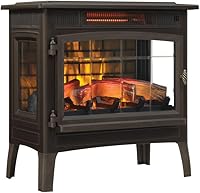
Portable electric fireplaces are standalone units you can move anywhere in your home. Think of them like space heaters with a beautiful flame display. You just plug them into any wall outlet and enjoy instant warmth.
These units come in many styles. You’ll find tower models, console tables, and even decorative logs that sit in existing fireplaces. Most weigh between 30-80 pounds, making them manageable for one person to relocate.
Key Features of Portable Models
Portable units typically heat 400-1000 square feet. They use standard 120-volt outlets and draw about 1500 watts on high heat. The flame effects work independently from heat, so you can enjoy the ambiance year-round.
Most portable fireplaces include remote controls and timers. You can adjust flame brightness, heat levels, and set automatic shut-offs. Safety features like overheat protection and tip-over switches come standard.
Popular Portable Styles
- Freestanding towers that fit in corners
- TV console tables with fireplace inserts
- Decorative stove replicas
- Log sets for existing fireplace openings
- Wall-mounted units with brackets
Understanding Built-In Electric Fireplaces
Built-in electric fireplaces become permanent fixtures in your home. They’re installed directly into walls, entertainment centers, or existing fireplace openings. Once installed, they look like traditional fireplaces but without the chimney requirements.
These units often provide more realistic flame effects and higher heat output. Many homeowners choose built-ins when renovating or building new homes because they create clean, custom looks.
Installation Requirements
Built-in fireplaces need dedicated electrical circuits in most cases. Larger models may require 240-volt connections instead of standard 120-volt outlets. You’ll also need to frame wall openings and plan for ventilation space.
Professional installation is recommended unless you have electrical and carpentry skills. The process involves cutting drywall, running electrical lines, and ensuring proper clearances for heat dissipation.
Common Built-In Configurations
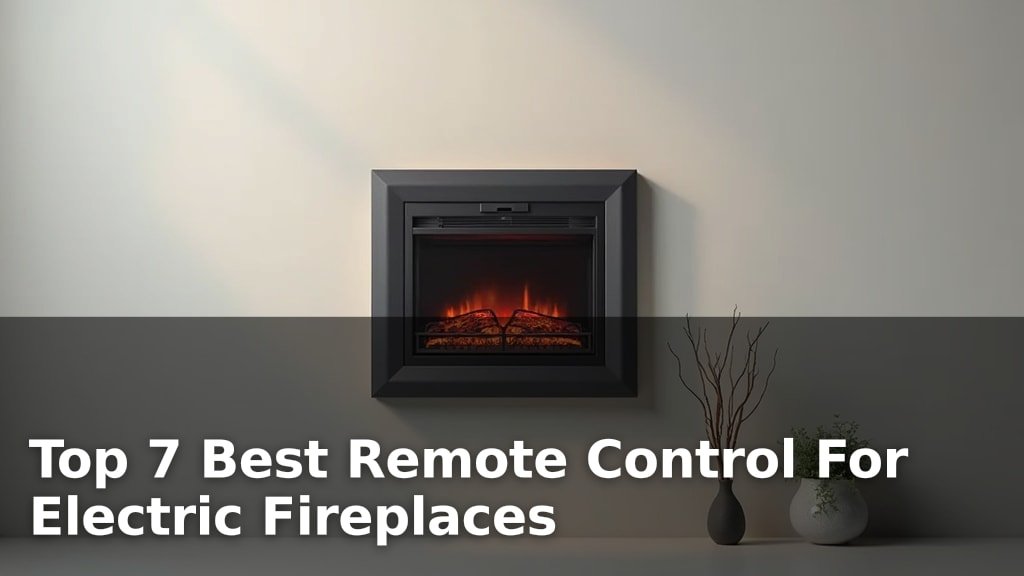
- Recessed wall units flush with drywall
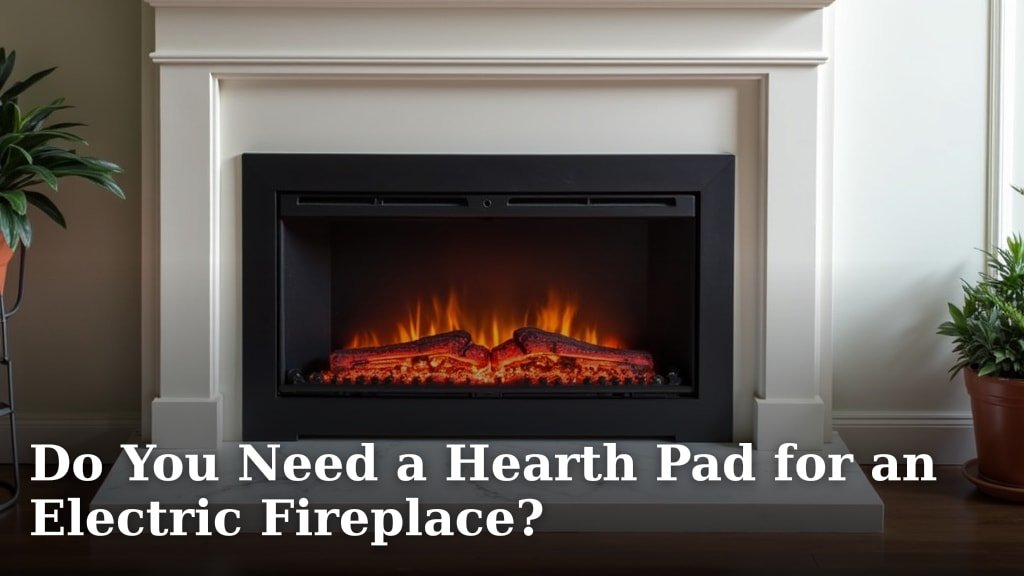
- Insert models for existing fireplace openings
- Linear designs for modern aesthetics
- Two-sided units visible from multiple rooms
- Custom entertainment center integrations
Cost Comparison Analysis
Portable electric fireplaces cost less upfront. Basic models start around $150, while premium units reach $800. You save money on installation since most people can set them up without professional help.
Built-in models cost more initially and require installation expenses. The units themselves range from $300-$2000. Professional installation adds $500-$1500 depending on electrical work needed.
Long-Term Value Considerations
Built-in fireplaces may increase home value more than portable units. Real estate research suggests permanent fixtures appeal to buyers more than movable appliances. But the actual value increase varies by market and installation quality.
Portable units offer flexibility if you move frequently. You can take them to your next home, while built-ins stay with the property. Consider your long-term housing plans when choosing.
Heating Performance Differences
Most portable fireplaces heat single rooms effectively. They typically produce 4000-5000 BTUs, warming spaces up to 400 square feet comfortably. Larger portable models can handle 1000 square feet.
Built-in units often provide stronger heating capacity. Many models produce 8000+ BTUs and can warm multiple connected rooms. The permanent installation allows for better heat distribution through the space.
Energy Efficiency Factors
Both types convert nearly 100% of electricity into heat, making them equally efficient. The difference lies in heat distribution and room coverage. Built-ins with better placement may feel more effective.
Operating costs remain similar for comparable wattage. Most electric fireplaces cost $0.15-$0.30 per hour to run on high heat, based on average electricity rates (Energy Information Administration).
Zone Heating Benefits
Both portable and built-in models excel at zone heating. You can warm specific rooms instead of heating your entire home. This approach often reduces overall heating costs during mild weather.
Installation and Setup Process
Portable fireplace setup takes minutes. You unbox the unit, plug it in, and start enjoying warmth. No tools, permits, or professional help needed. It’s as simple as setting up a new television.
Built-in installation requires planning and skill. You need to locate wall studs, cut openings, run electrical lines, and ensure proper clearances. Most installations take 4-8 hours for experienced professionals.
Electrical Requirements
Portable units work with existing outlets in most cases. Just make sure the circuit can handle 15 amps without overloading. Avoid using extension cords, which create fire hazards with high-wattage appliances.
Built-ins may need new electrical circuits, especially for high-output models. Some require 240-volt connections like electric dryers use. Always consult electricians for proper installation.
Permit and Code Considerations
Portable fireplaces typically don’t require permits since they’re not permanent installations. Built-in models may need electrical permits depending on local codes. Check with your municipality before starting work.
Design and Aesthetic Options
Portable fireplaces offer style variety but limited customization. You choose from available designs but can’t modify the appearance much. However, you can easily change locations or upgrade to different models.
Built-in units provide custom integration opportunities. You can surround them with tile, stone, or wood mantels. They become architectural features that match your home’s design perfectly.
Room Integration Approaches
Portable models work best when you can position them as focal points. Corner placement or centering along walls creates attractive arrangements. Some people move them seasonally for optimal room layout.
Built-ins become permanent room anchors. You can design entire spaces around them, creating seating areas and entertainment zones. They work especially well in family rooms and master bedrooms.
Maintenance and Longevity
Both fireplace types require minimal maintenance. You’ll dust the exterior surfaces and occasionally clean the glass fronts. No chimney cleaning, ash removal, or gas line servicing needed like traditional fireplaces.
Portable units may experience more wear from moving and handling. Built-in models stay protected in wall installations, potentially lasting longer with careful use.
Common Maintenance Tasks
- Dusting air intake and exhaust vents monthly
- Cleaning glass fronts with appropriate cleaners
- Checking electrical connections annually
- Replacing remote control batteries as needed
- Inspecting power cords for damage
Troubleshooting Simple Issues
Most problems involve electrical connections or remote control issues. Check circuit breakers, outlet connections, and battery levels before calling for service. Many manufacturers provide phone support for common questions.
Safety Considerations
Electric fireplaces are generally safer than gas or wood-burning options. They don’t produce carbon monoxide or require ventilation for combustion gases. However, they still generate heat and require basic safety precautions.
Portable models need stable, level surfaces away from foot traffic. Keep curtains, furniture, and decorations at least three feet away. Built-in units need proper clearances during installation to prevent overheating.
Child and Pet Safety
Glass fronts can get warm during operation, though not as hot as gas fireplaces. Teach children not to touch surfaces during use. Some manufacturers offer cool-touch glass options for families with small children.
Both fireplace types include safety features like automatic shut-offs and overheat protection. These systems turn off power if internal temperatures get too high or if units tip over.
Which Option Fits Your Needs?
Choose portable fireplaces if you rent your home, move frequently, or want heating flexibility. They work great for people who like rearranging rooms or need seasonal heating in different areas.
Pick built-in models if you own your home and want permanent aesthetic improvements. They’re ideal for new construction, major renovations, or when creating dedicated entertainment spaces.
Decision-Making Factors
| Factor | Portable | Built-In |
|---|---|---|
| Initial Cost | $150-$800 | $800-$3500 installed |
| Installation Time | 5 minutes | 4-8 hours |
| Heat Output | 4000-5000 BTU | 5000-8000+ BTU |
| Mobility | Full mobility | Permanent fixture |
| Home Value | No increase | Potential increase |
Budget Planning Tips
Factor in total costs, not just unit prices. Portable models might need extension cords or outlet upgrades. Built-ins require installation labor and possible electrical work. Get quotes for complete projects before deciding.
Conclusion
Your choice between portable vs. built-in electric fireplaces depends on your specific situation and priorities. Portable units offer flexibility, lower costs, and easy setup for renters or frequent movers. Built-in models provide permanent beauty, higher heating capacity, and potential home value increases for homeowners planning long-term stays.
Both options deliver safe, efficient heating without the complexity of gas lines or chimneys. Consider your budget, housing situation, heating needs, and design goals. Either choice will give you years of cozy warmth and beautiful ambiance in your home.
What’s the average lifespan of electric fireplaces?
Electric fireplaces typically last 10-20 years with normal use. The heating elements and LED flame technology are designed for thousands of hours of operation. Portable units may have shorter lifespans due to moving and handling wear.
Can I use an electric fireplace as my primary heat source?
Electric fireplaces work well for supplemental heating but aren’t usually cost-effective as primary heat sources in cold climates. They’re perfect for zone heating specific rooms or during mild weather when you don’t want to run your main heating system.
Do electric fireplaces work during power outages?
No, electric fireplaces need electricity to operate both heating and flame effects. Unlike gas fireplaces with battery backup or wood-burning options, electric units become non-functional during power outages.
How much do electric fireplaces increase electricity bills?
Running an electric fireplace costs about $0.15-$0.30 per hour on high heat settings. If you use it 3 hours daily for a month, expect $15-30 added to your electric bill, depending on local electricity rates.
Can I install a built-in electric fireplace in an apartment?
Most apartment leases prohibit permanent modifications like built-in fireplace installations. You’ll need written landlord permission and may need to restore the space when moving. Portable models are better choices for rental properties.