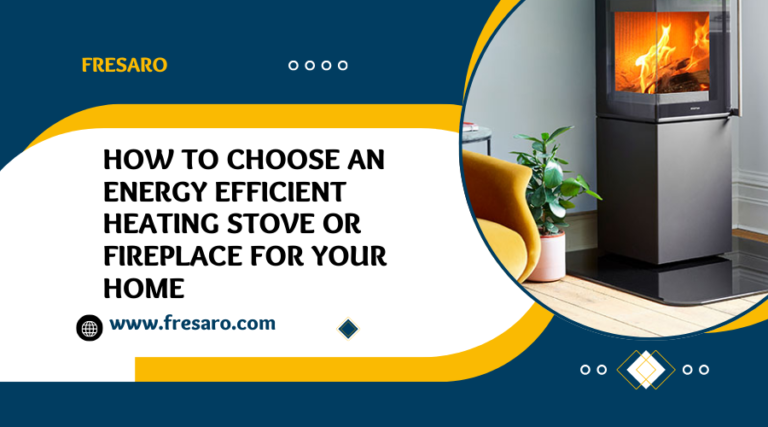
Why Does My Fire Keep Going Out? (Causes & Fixes)
Your fire keeps going out because of poor airflow, wet wood, or improper damper settings. The most common fix is using seasoned hardwood and adjusting your air vents correctly.
Getting a fire to stay lit can feel frustrating, but most fire problems have simple solutions once you understand what causes them.
Most Common Reasons Your Fire Keeps Dying
When your fire won’t stay lit, you’re dealing with one of three basic problems. Either your fuel isn’t right, your airflow is wrong, or your setup needs tweaking.
Think of fire like a recipe. You need the right ingredients in the right amounts. Miss one element and the whole thing falls apart.
Wet or Green Wood Problems
Wet wood is fire’s biggest enemy. When wood has too much moisture, it spends all its energy turning water into steam instead of burning hot.
You’ll know you have wet wood when your fire smokes heavily and makes hissing sounds. The flames look weak and yellow instead of bright orange.
How to Check Wood Moisture
Good firewood should have less than 20% moisture content. You can buy a moisture meter for about $20, or use these simple tests:
- Bang two pieces together – dry wood makes a sharp crack
- Look for cracks on the ends – seasoned wood splits naturally
- Check the weight – wet wood feels much heavier
- Smell it – dry wood has a fresh, clean scent
Poor Air Circulation Issues
Fire needs oxygen to survive, just like you do. Without proper airflow, even the best wood won’t keep burning.
Many people make the mistake of closing all the vents too early. Your fire needs air both from below and above to create the right draft.
Primary Air Controls
Primary air comes from below the fire and feeds oxygen directly to the flames. Keep these vents wide open when starting your fire.
Only start closing primary air once you have a good bed of hot coals. Close it slowly – about 25% every few minutes.
Secondary Air Settings
Secondary air enters above the fire and helps burn off smoke gases. This creates those dancing blue flames you see in efficient stoves.
Keep secondary air open longer than primary air. Some stoves work best with secondary air always open.
Chimney and Draft Problems
Your chimney acts like an engine for your fire. When the draft isn’t working right, your fire can’t breathe properly.
Cold Chimney Solutions
Cold chimneys create poor draft, especially on mild days. The temperature difference between inside and outside air drives your draft.
Warm up your chimney before lighting your main fire. Roll up newspaper, light it, and hold it near the damper for 30 seconds.
Weather-Related Draft Issues
Wind can push air down your chimney instead of pulling smoke up. This creates a reverse draft that kills your fire.
On windy days, try cracking a window on the opposite side of your house. This gives your fire the air it needs without fighting the wind.
Damper Position Mistakes
Your damper controls how much air flows up the chimney. Many people don’t open it fully or close it too soon.
Open the damper completely before lighting your fire. Keep it mostly open while burning – only close it partially once you have strong coals.
Fire Building Technique Fixes
How you build your fire matters as much as what you burn. The wrong technique can doom even perfect wood.
Top-Down Fire Method
Most people build fires upside down without knowing it. Try the top-down method instead – it works much better.
Place your largest logs on the bottom. Add medium logs on top, then kindling, then tinder at the very top.
- Light the tinder on top
- Fire burns down through each layer
- Each level preheats the one below
- Creates steady, long-lasting heat
Proper Log Spacing
Give your logs room to breathe. Stack them like you’re building a log cabin – with gaps between each piece.
Logs touching too much steal oxygen from each other. Logs too far apart can’t share heat. Aim for about one inch of space.
Kindling Size and Preparation
Your kindling should gradually increase in size from pencil-thin to thumb-thick. This creates a heat ladder that builds temperature slowly.
Avoid using paper as your main fire starter. It burns too fast and doesn’t create enough heat for most kindling.
Stove and Fireplace Specific Issues
Different fire appliances have different needs. What works for an open fireplace might not work for a wood stove.
Wood Stove Troubleshooting
Wood stoves need more precise air control than fireplaces. The smaller firebox means less room for error.
Keep your stove door slightly open for the first 10-15 minutes. This helps establish good airflow before you close the system.
Glass Door Management
Clean glass doors let you see what’s happening, but dirty glass can signal problems. Black glass usually means poor combustion.
If your glass blackens quickly, you’re probably burning wet wood or not getting enough air to the fire.
Open Fireplace Challenges
Open fireplaces lose most of their heat up the chimney. They need bigger, hotter fires to overcome this inefficiency.
Use more kindling and smaller splits in fireplaces. Build wider fires rather than tall narrow ones.
| Fire Type | Air Control | Wood Size | Loading Style |
|---|---|---|---|
| Wood Stove | Precise vents | Medium splits | Tight stacking |
| Fireplace | Wide open | Smaller pieces | Loose arrangement |
| Insert | Moderate control | Mixed sizes | Front to back |
Maintenance Issues That Kill Fires
Sometimes the problem isn’t your technique – it’s your equipment. Poor maintenance creates problems that no amount of good wood can fix.
Ash Buildup Effects
Too much ash blocks airflow from below your fire. But don’t remove all the ash – a thin layer actually helps with heat reflection.
Keep about one inch of ash in your firebox. Remove excess ash when it builds up higher than your grate.
Cleaning Air Vents
Ash and debris can clog your air intake vents. Check these regularly, especially after heavy burning periods.
Use a shop vacuum to clear blocked vents. Some stoves have removable vent covers that make cleaning easier.
Chimney Blockage Signs
A blocked chimney creates poor draft and dangerous conditions. Common blockages include bird nests, leaves, and creosote buildup.
Signs of chimney problems include smoke entering your room, white staining on the outside of your chimney, and animals sounds from above.
Quick Fixes When Your Fire Is Dying
Sometimes you need to save a dying fire right now. Here are emergency techniques that work fast.
Emergency Revival Techniques
If your fire is down to just coals, don’t add big logs yet. Start with dry kindling to rebuild your flame base.
Blow gently on the coals while adding thin, dry sticks. Once flames return, gradually add larger wood.
Using Fire Starters Safely
Commercial fire starters can help revive weak fires. Place them directly on hot coals, not on cold wood.
Avoid using liquid fire starters on existing fires. The sudden flare-up can be dangerous in enclosed stoves.
Preventing Future Fire Problems
The best fix is preventing problems before they start. Good preparation makes every fire easier to light and maintain.
Wood Storage Best Practices
Store your wood off the ground and cover the top only. Side airflow helps wood stay dry while protecting it from rain.
Stack wood in a sunny, windy location when possible. Avoid storing wood against your house – it can attract insects.
Seasoning Time Requirements
Most hardwoods need 12-18 months to season properly. Softwoods dry faster but burn quicker.
Split wood dries much faster than whole logs. Split your wood soon after cutting for best results.
When to Call a Professional
Some fire problems need expert help. Don’t risk your safety trying to fix major chimney or structural issues yourself.
Call a professional if you smell gas, see white staining on your chimney exterior, or hear unusual sounds during burning.
Annual chimney inspections catch problems early. The National Fire Protection Association recommends yearly checks for regular users.
Conclusion
Most fires go out because of wet wood, poor airflow, or incorrect technique. Start with properly seasoned hardwood, ensure good ventilation, and use the top-down building method. Check your damper position and keep air vents open longer than you think you need.
Remember that good fires take practice. Each fireplace and stove behaves differently, so pay attention to what works in your specific setup. With the right approach, you’ll have reliable fires that burn hot and clean every time.
Why does my fire go out when I close the door on my wood stove?
Closing the door too soon cuts off oxygen before your fire is established. Keep the door cracked open for 10-15 minutes until you have strong flames, then close it gradually while monitoring the fire’s response.
Can I burn construction lumber in my fireplace?
Never burn treated lumber, plywood, or painted wood – these release toxic chemicals. Untreated construction lumber burns too fast and hot for most home fireplaces. Stick to natural seasoned hardwood for safety and efficiency.
How do I know if my chimney needs cleaning?
Clean your chimney when creosote buildup reaches 1/8 inch thick, or at least once per year with regular use. Signs you need cleaning include white staining outside, smoke entering your room, and poor draft performance.
Why does my fire smoke when I first light it?
Initial smoking usually means your chimney is cold and creating poor draft. Warm the flue with burning newspaper before starting your main fire, and ensure your damper is fully open from the beginning.
What’s the difference between hardwood and softwood for burning?
Hardwoods like oak and maple burn longer and hotter but take longer to ignite. Softwoods like pine light easily but burn fast and create more creosote. Use softwood for starting fires and hardwood for long-term heat.