Why Is My Wood Stove Glass Turning Black?

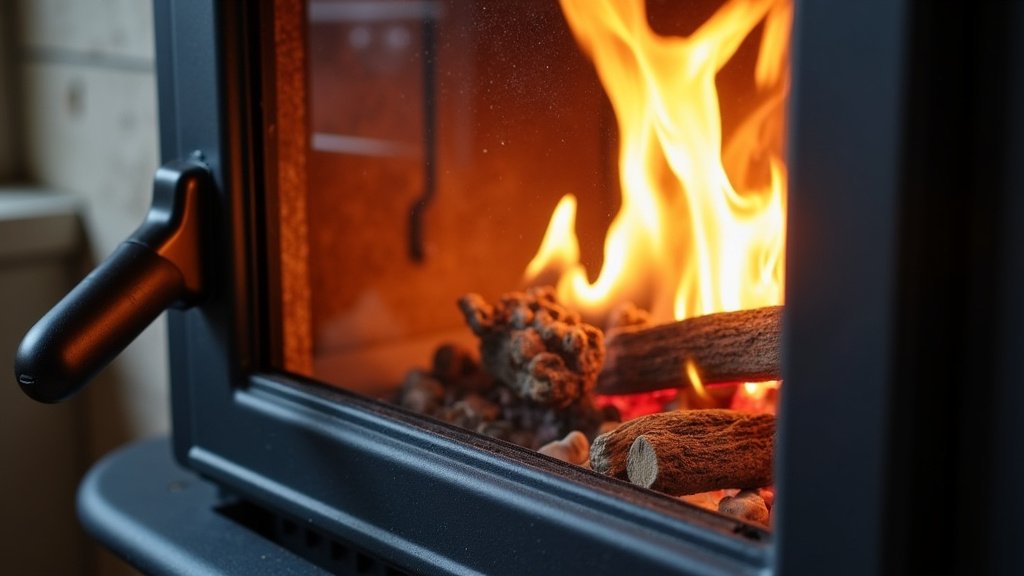
Your wood stove glass is turning black primarily because of incomplete combustion and creosote buildup. This happens when your fire isn’t burning hot enough or getting enough air, leading to smoke and unburnt particles sticking to the glass.
You’re not alone if you’ve noticed this sooty film; it’s a common issue for wood stove owners. It usually means your stove isn’t running as efficiently as it could be. We found that a combination of factors, including the type of wood you burn and how you operate your stove, contributes to this frustrating blackening.
- Incomplete burning causes the black soot.
- Wet wood makes more smoke and creosote.
- Not enough air flow feeds the problem.
- Cooler fires leave more residue on glass.
- Proper burning keeps your glass clear.
Below, we’ll walk you through the main reasons your glass gets dirty and, more importantly, how you can keep it sparkling clear so you can enjoy your cozy fire again.
Understanding the Soot: Why Your Wood Stove Glass Gets Dirty
You want a clear view of those dancing flames, right? But instead, you often find your wood stove glass covered in a stubborn, black film. This isn’t just annoying; it’s a sign your stove isn’t performing at its best.
The main culprit behind that darkened glass is almost always incomplete combustion. Think of it like this: your fire isn’t burning everything it should be. When wood doesn’t burn completely, it releases tiny particles and gases. These escape up the chimney, or in this case, they stick to your relatively cool glass.
We’ve found that several key factors contribute to this issue. It’s a bit like a chain reaction, where one problem can make another worse. Understanding these causes is the first step to enjoying a cleaner, more efficient burn.
The Quality of Your Wood: It Matters More Than You Think
Let’s start with the fuel itself. What kind of wood are you throwing into your stove? This might be the single biggest factor affecting your glass clarity. We’ve seen it time and again: bad wood equals dirty glass.
Wet Wood: A Recipe for Soot
Burning wood that hasn’t been properly dried, also known as “wet” or “green” wood, is a primary cause of black glass. You might hear people call it unseasoned wood. We found that wet wood contains a lot of moisture, sometimes up to 50% of its weight. Imagine trying to boil a pot of water on your stove with every piece of wood you add.
When you burn wet wood, a lot of the heat energy goes into evaporating that water. This keeps your fire from reaching the high temperatures needed for a clean burn. Lower temperatures mean more smoke and more unburned particles floating around. These particles love to stick to your cooler stove glass.
Many experts, including the Environmental Protection Agency (EPA), stress the importance of burning well-seasoned wood. It should ideally have a moisture content of 20% or less. How can you tell if your wood is seasoned? It will look cracked at the ends, feel light, and make a hollow sound when you tap two pieces together.
Softwoods vs. Hardwoods: Density and Resin
The type of wood also plays a role. Generally, softwoods like pine and fir burn faster and produce more resin and sap. This resin can create more creosote, which is that tar-like substance that sticks to your glass and chimney.
While some people burn softwoods, especially for kindling, we’ve found that hardwoods like oak, maple, and ash burn hotter and longer. They tend to leave less residue on your glass because they offer a more sustained and complete burn. If you’re consistently battling black glass, switching to quality hardwoods might make a big difference.
Airflow: The Breath of Your Fire
Just like you need to breathe, your fire needs air. And not just any air, but the right amount of air, delivered in the right places. We often see that restricted airflow is a major contributor to incomplete combustion and, you guessed it, black glass.
Dampers and Air Intakes: Too Closed?
Your wood stove has controls to regulate the amount of air feeding the fire. These are usually called dampers or air intakes. It’s tempting to “damper down” your stove too much to make the wood last longer. However, if you restrict the air too much, your fire will smolder rather than burn cleanly.
A smoldering fire means lower temperatures and a lot more smoke. This smoke is full of those unburned particles that cling to your glass. We recommend finding the sweet spot: enough air for a lively flame, but not so much that your wood burns away too quickly. You want bright, dancing flames, not lazy, smoky ones.
Draft Problems: Is Your Chimney Working?
Sometimes, the issue isn’t just about your stove’s air controls but the overall draft of your chimney. A good draft pulls air through the stove and up the flue, carrying away smoke and combustion byproducts. If your chimney isn’t drawing properly, smoke can linger in the firebox, leading to more deposits on the glass.
Factors like a cold chimney, a chimney that’s too short, or even obstructions can hinder draft. If you suspect a persistent draft issue, it might be worth having a chimney professional take a look. They can diagnose problems that are hard to spot on your own.
Stove Temperature: Not Hot Enough?
Temperature is king when it comes to clean burning. If your firebox isn’t getting hot enough, your stove glass is much more likely to turn black. This goes hand-in-hand with wet wood and poor airflow, but it’s worth highlighting as its own cause.
Starting a Cold Fire: The Initial Soot Blast
When you first light your stove, the glass is cold. Your fire is also just getting started and hasn’t reached its optimal burning temperature. During this initial phase, it’s very common to see some blackening on the glass. This is often unavoidable but should clear up as the stove heats up.
The goal is to get your stove up to temperature quickly. Use plenty of dry kindling and smaller pieces of wood to establish a hot, roaring fire from the start. This minimizes the time your stove operates at lower, sooty temperatures.
Overloading and Under-loading Your Stove
It might seem counterintuitive, but both overloading and under-loading your stove can lead to lower temperatures and dirty glass. If you pack your firebox too full, you restrict airflow around the logs, leading to an inefficient burn. If you put in too few small pieces, the fire might struggle to maintain a high temperature.
We found that adding a moderate amount of wood that allows for good air circulation around the logs works best. You want a consistent, hot flame. Many stove manufacturers provide guidelines for how much wood to load; it’s always a good idea to check your owner’s manual.
Stove Design and Maintenance: The Little Things
While wood quality and fire management are huge, your stove’s design and how well you maintain it also play a part. Modern wood stoves often have features designed to keep the glass cleaner.
Air Wash Systems: Your Glass’s Best Friend
Many newer wood stoves come equipped with an “air wash” system. This system is designed to direct a curtain of preheated air down the inside of the glass. This air helps to burn away particles before they can stick to the glass, creating a barrier between the flames and the glass surface.
If your stove has an air wash, make sure it’s functioning correctly. Sometimes, blockages or incorrect installation can hinder its effectiveness. If you have an older stove without this feature, you might just have to be more vigilant with your burning practices and cleaning.
Dirty Stove and Chimney: Creosote Buildup
Regular maintenance is crucial for optimal performance. A buildup of creosote in your chimney or even inside your firebox can affect draft and lead to more smoke. This creates a cycle where more creosote builds up, leading to even dirtier burns.
We can’t stress enough the importance of regular chimney cleaning by a certified professional. They not only remove creosote but can also spot other issues that might be contributing to your dirty glass problem and, more importantly, are fire hazards (Chimney Safety Institute of America).
Quick Checklist for Clearer Glass
Before you get overwhelmed, here’s a simple checklist to help you troubleshoot your black glass problem:
- Are you burning dry, seasoned wood (less than 20% moisture)?
- Is there enough air getting to your fire (dampers open enough)?
- Are your flames bright and active, not smoky and lazy?
- Are you starting with a hot, roaring fire to warm up the stove quickly?
- Is your chimney clean and unobstructed for good draft?
- Have you checked your stove’s manual for loading and airflow recommendations?
By addressing these points, you’ll be well on your way to enjoying that beautiful, unobstructed view of your cozy fire once again.
| Cause of Black Glass | What’s Happening | What to Look For |
|---|---|---|
| Wet Wood | Water in wood lowers fire temp, creates steam & smoke. | Hissing sounds, no cracks on ends, heavy feel. |
| Not Enough Air | Fire smolders, incomplete combustion, heavy smoke. | Lazy, orange flames; lots of dark smoke from chimney. |
| Cold Firebox | Low temps prevent particles from fully burning off. | Initial lighting phase; after adding too much unheated wood. |
| Poor Draft | Smoke lingers in firebox, doesn’t get pulled up. | Smoke spilling into room when loading; slow burn. |
| Stove Design/Maintenance | Air wash not working; creosote buildup in stove/chimney. | Consistent blackening despite good burning practices; visible chimney soot. |
Conclusion
Dealing with black wood stove glass is frustrating, but you now understand why it happens. It usually boils down to incomplete combustion, often from wet wood or poor airflow. By focusing on quality, dry wood and managing your fire’s air supply, you can make a big difference.
Remember, a clear view means a more efficient and safer burn. We found that simple adjustments to your burning habits and regular maintenance are key. Take these steps, and you’ll be enjoying those beautiful, dancing flames through sparkling clean glass very soon.
Frequently Asked Questions
How often should I clean my wood stove glass?
You should clean your wood stove glass as needed, ideally every few burns if it starts to blacken. A daily wipe-down with a damp cloth and some ash can prevent heavy buildup. For tougher stains, use a dedicated glass cleaner.
Can I use regular window cleaner on my wood stove glass?
No, you should not use regular window cleaner on your wood stove glass. These cleaners often contain ammonia, which can etch or damage the specialized ceramic glass. Always opt for a cleaner specifically designed for wood stove glass.
Does opening the door briefly help clear the glass?
Briefly opening the door can introduce a burst of air, which might help burn off some light soot if the fire is hot enough. However, this is not a long-term solution. It’s better to ensure proper airflow and a hot burn from the start.
Why does my glass get dirty even with dry wood?
Even with dry wood, other factors can cause dirty glass. These include insufficient airflow (dampers closed too much), a fire that isn’t burning hot enough, or a stove without an effective air wash system. Check your air controls and fire temperature.
Is creosote on the glass dangerous?
While creosote on the glass isn’t immediately dangerous in the same way creosote in your chimney is, it indicates poor burning conditions. These conditions can lead to dangerous creosote buildup in your chimney, which is a significant fire hazard. Clean glass is a sign of a safer, more efficient burn.