
What Is a Cord of Wood?
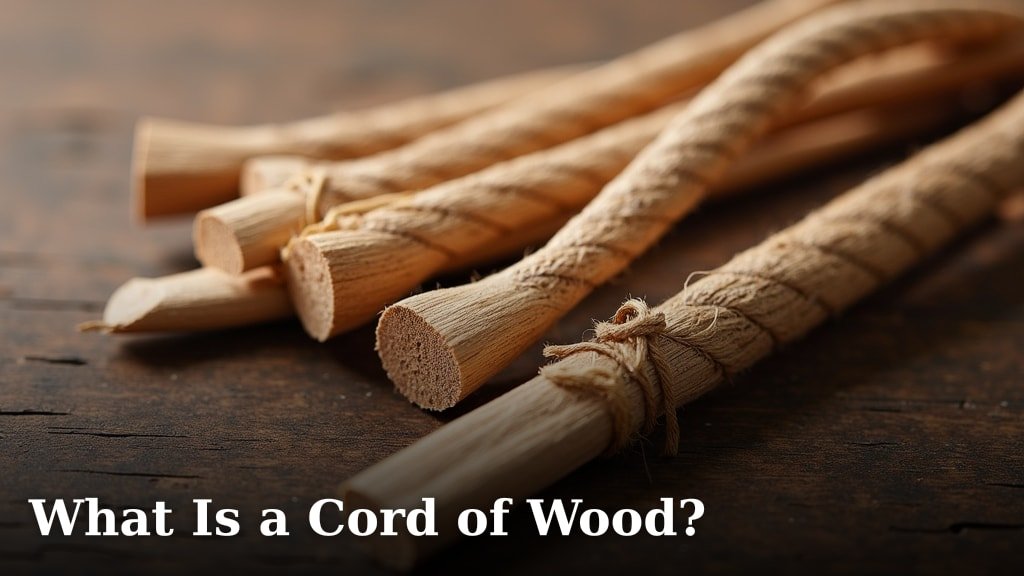
A cord of wood is a standard unit of measure for firewood. It represents a stacked wood pile that is 4 feet high, 4 feet wide, and 8 feet long. This equals 128 cubic feet of wood.
You’ll often encounter this term when buying firewood for your home. Knowing what a cord means helps you understand how much wood you’re actually getting. It ensures you can compare prices fairly and know if you have enough for the season.
- A cord is a specific measurement of stacked firewood.
- It is always 4x4x8 feet, totaling 128 cubic feet.
- Used to standardize firewood sales.
- Helps you budget and plan your wood supply.
Now, let’s look closer at why this measurement exists and what you should consider when purchasing a cord of wood.
Understanding the Firewood Cord Standard
You might wonder why we even have a specific measurement like a cord for firewood. It’s pretty simple. This standard helps both buyers and sellers be on the same page. It creates a fair market. Without it, you might get a lot less wood than you expect.
Why Do We Use a Cord?
Imagine trying to buy firewood without a standard measure. You might ask for “a truckload” or “a pile.” But how big is that exactly? Is it a small pickup? A big dump truck? That’s where a cord comes in. It’s a way to ensure consistency and honesty in transactions.
Before the cord became common, buying firewood was often a guessing game. People would sell wood in bundles or by the “rick,” which could vary wildly. The cord brought order to the marketplace. It removed much of the confusion.
The Historical Roots of Firewood Measurement
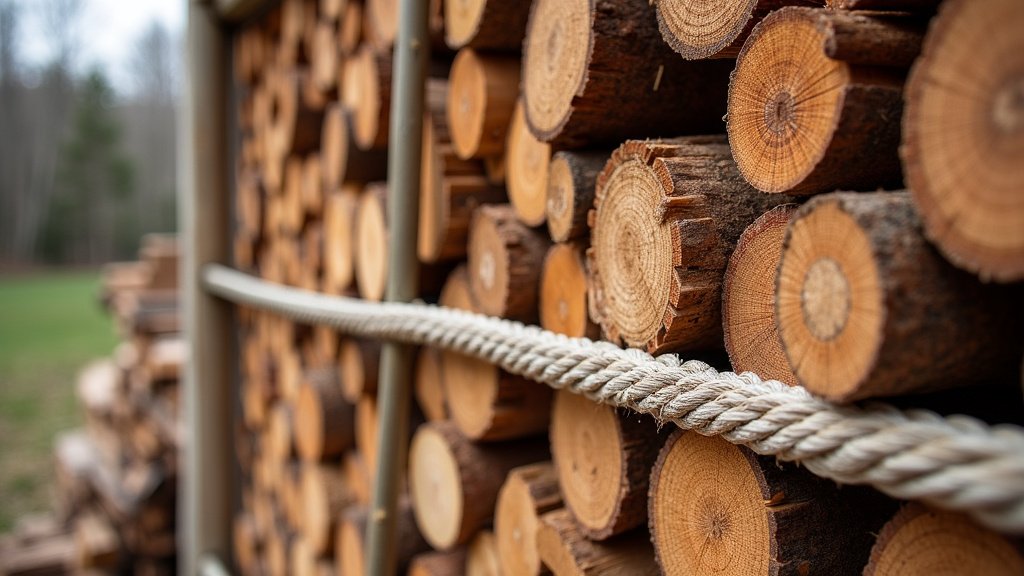
The term “cord” has quite a history. It comes from the practice of measuring wood with a rope or “cord.” Imagine early settlers needing wood for winter. They’d stack it up and then measure around it with a cord. This helped them quantify their supply.
We found that this measurement has been around for centuries. It’s a testament to its usefulness. Even with modern technology, the simple cord still reigns as the gold standard for firewood (USDA Forest Service).
What Goes Into a Cord: More Than Just Wood
When you picture a cord, you might just see solid wood. But there’s a bit more to it. A cord actually includes the wood itself AND the air spaces between the logs. This is super important to remember.
The “True” Volume of Wood
While a cord occupies 128 cubic feet, the actual amount of solid wood is less. We found that the solid wood content can range from 70 to 90 cubic feet. This depends on how neatly the wood is stacked.
Think about it like this: if you stack firewood loosely, there will be more air. If you stack it tightly, you get more wood in the same space. A well-stacked cord means more BTU for your buck. That’s why stacking matters!
Factors Affecting Solid Wood Content
- Log Length and Uniformity: Shorter, uniform logs stack tighter.
- Straightness of Logs: Crooked logs leave bigger gaps.
- Split Wood vs. Round Wood: Split wood generally stacks tighter.
- Stacking Technique: Tightly packed stacks have less air.
Always aim for a cord that looks “neatly stacked.” This is your visual cue that you’re getting a good amount of wood.
Different Names for Different Stacks
You might hear other terms when buying firewood. “Face cord,” “rick,” or “truckload” are common. These are tricky because they aren’t standardized. They can mean different things in different places.
The Elusive Face Cord
A “face cord” is often a source of confusion. It usually refers to a stack of wood that is 4 feet high and 8 feet long, but only the length of the logs deep. This means it’s less than a full cord.
For example, if your logs are 16 inches long, a face cord would be 4 feet high, 8 feet long, and 16 inches deep. That’s only a third of a real cord! Always confirm the dimensions if someone offers a “face cord.”
Ricks, Racks, and Pick-up Loads
A “rick” can be a similar short-depth stack. It’s another term that lacks a specific, universal size. Avoid buying wood by terms like “rick” unless you know the exact dimensions beforehand.
And a “pick-up load”? This is perhaps the most variable. A small truck’s bed vs. a large truck’s bed can hold wildly different amounts. This isn’t a reliable way to measure unless you see it being loaded and know its capacity.
Comparing Firewood Measurements
| Term | Standard Size | Approx. Cubic Feet | Standardized? |
|---|---|---|---|
| Full Cord | 4′ H x 4′ W x 8′ L | 128 cu ft | Yes |
| Face Cord (16″ logs) | 4′ H x 1.33′ W x 8′ L | 42.67 cu ft | No (Variable) |
| Rick / Rack | Varies greatly | Highly variable | No |
| Truckload | Varies by truck | Highly variable | No |
When in doubt, always ask for a “full cord.” This helps you avoid miscommunication and ensures you get what you pay for.
Buying a Cord: What to Look For
When you’re ready to buy firewood, knowing the definition of a cord is just the start. You’ll also want to consider the quality of the wood itself. This impacts how well it burns and how much heat it provides.
Seasoned vs. Green Wood
One of the most important factors is whether the wood is “seasoned” or “green.” Seasoned wood has been dried for six months to a year. It has a low moisture content (usually below 20%).
Green wood, on the other hand, is freshly cut. It contains a lot of water. Burning green wood produces less heat, more smoke, and can clog your chimney. Always ask for well-seasoned firewood.
How can you tell if wood is seasoned? Look for cracks on the ends of the logs. It should feel lighter than green wood. It might also have a duller color and sound hollow when you knock two pieces together. It often makes a “thud” sound if it’s green. Seasoned wood makes a nice “clink”.
Types of Wood for Burning
Different types of wood burn differently. Hardwoods generally burn longer and hotter than softwoods. Oak, maple, and birch are excellent choices for homeowners. They provide a long-lasting warmth.
Softwoods like pine and fir burn faster. They are good for kindling or for a quick, intense fire. Many people use a mix: softwood to get the fire going, and then hardwood to sustain it. We found that a good mix offers versatility for your fires.
A Checklist for Your Next Firewood Purchase
- Confirm it’s a full cord (4’x4’x8′ stack).
- Ask if the wood is fully seasoned.
- Inquire about the type of wood (hardwood vs. softwood).
- Check for a clean, uniform stack upon delivery.
- Ensure the wood is free from excessive dirt or insects.
By following these tips, you’ll ensure you get a quality product that will keep you warm and cozy all season long. Don’t be afraid to ask your supplier questions. A reputable seller will always be happy to explain their product.
Conclusion
Understanding what a cord of wood truly means is essential for any homeowner who uses firewood. You now know that a true cord is a precisely measured stack, ensuring you get the full 128 cubic feet you pay for, not just a “face cord” or “rick.” We’ve also found that knowing the difference between seasoned and green wood, and choosing the right types for burning, will greatly enhance your fire-making experience.
Next time you purchase firewood, ask specific questions about the dimensions and wood quality. This will help you make a smart investment and keep your home warm and cozy throughout the colder months.
Frequently Asked Questions
Why is a cord of wood not 128 cubic feet of solid wood?
A cord includes both the wood and the air spaces between the logs when stacked. Even perfectly stacked wood will have gaps. This is why the solid wood content is usually 70-90 cubic feet, not the full 128.
Can I stack a cord of wood differently than 4x4x8 feet?
Yes, you can stack it differently once you get it home, as long as the total volume remains 128 cubic feet. For example, you could stack it 2 feet high, 4 feet wide, and 16 feet long. The 4x4x8 dimension is just the standard for selling and measuring a traditional cord.
How much does a cord of wood typically weigh?
The weight of a cord varies significantly based on the type of wood and its moisture content. We found that a cord of seasoned hardwood like oak can weigh over 4,000 pounds, while a cord of seasoned softwood like pine might weigh closer to 2,000 pounds.
How long does a cord of wood last?
How long a cord lasts depends entirely on your usage. If you heat your home primarily with wood, it might last a month or two. If you only use your fireplace occasionally for enjoyment, a cord could easily last an entire winter season or even longer.
Is it better to buy firewood already split, or should I split it myself?
Buying pre-split wood is a convenience that saves you time and effort. However, splitting it yourself can be more cost-effective if you have the tools and physical ability. Ensure any wood you buy, split or not, is well-seasoned for best burning results.

