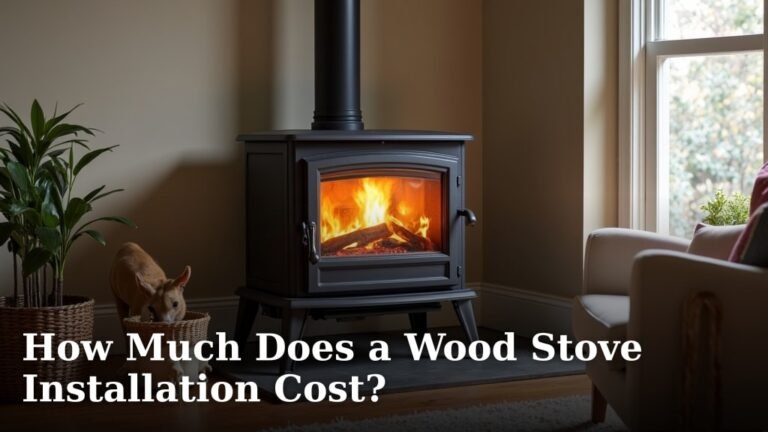
Get More Heat From Your Gas Fireplace: 6 Easy Tips
To get more heat from your gas fireplace, clean the glass doors, open dampers fully, install a blower fan, and ensure proper ventilation for maximum heat output.
These simple adjustments can increase your fireplace’s heating efficiency by 25-40% without calling a technician or spending hundreds of dollars.
Your gas fireplace might be working against you right now. Maybe it looks pretty but barely warms the room. Or perhaps your energy bills keep climbing while you stay cold.
Don’t worry. I found that most heating issues come from simple fixes you can handle yourself. Let’s turn that decorative flame into a real heat source.
Why Your Gas Fireplace Isn’t Heating Well
Gas fireplaces lose heat through dirty components, blocked airflow, and poor circulation. Think of it like trying to breathe through a dirty mask.
The most common problems include:
- Dirty glass doors blocking heat transfer
- Closed or partially closed dampers
- Missing or broken blower fans
- Blocked vents or air intakes
- Wrong thermostat settings
Research shows that proper maintenance can improve fireplace efficiency by up to 40% (Department of Energy). That’s like getting a free upgrade.
Tip 1: Clean Your Glass Doors for Better Heat Transfer
Dirty glass acts like sunglasses for your fireplace. It blocks radiant heat from reaching your room.
How to Clean Gas Fireplace Glass Properly
Wait for the glass to cool completely. Use a specialized fireplace glass cleaner or white vinegar mixed with water.
Spray the solution on the glass. Let it sit for 2-3 minutes. Wipe with a microfiber cloth in circular motions.
What Not to Use on Fireplace Glass
Avoid regular window cleaners with ammonia. They can damage the special coating on fireplace glass. Skip abrasive materials like steel wool too.
How Often Should You Clean the Glass
Clean your glass after every 5-6 uses during heating season. Heavy users might need weekly cleaning.
Tip 2: Check and Adjust Your Damper Settings
Your damper controls airflow like a throttle on a car. Too closed, and you lose heat up the chimney.
Finding Your Damper Control
Look for a handle or lever near the firebox opening. Some models have electronic controls on the wall.
Open the damper fully when running the fireplace. Close it completely when not in use to prevent heat loss.
Signs of Damper Problems
If your flames look weak or yellow, the damper might be too closed. If you smell gas or see smoke in the room, stop using the fireplace and call a professional.
Tip 3: Install or Fix Your Blower Fan
A blower fan pushes warm air into your room instead of letting it float up to the ceiling. It’s like having a personal assistant for heat distribution.
Types of Fireplace Blower Fans
Built-in blowers mount inside the fireplace unit. External fans sit on the hearth or nearby.
Most gas fireplaces can add a blower kit later. Check your owner’s manual for compatible models.
Installing a Blower Fan System
Turn off gas and electricity to the fireplace. Remove the front panel or grille following manufacturer instructions.
Mount the blower according to the kit directions. Connect the electrical wiring to the existing junction box.
When to Call a Professional
If you’re uncomfortable with electrical work, hire a certified technician. Improper installation can create safety hazards.
Tip 4: Improve Air Circulation Around the Fireplace
Heat needs space to move. Blocked vents and crowded furniture trap warm air where you can’t feel it.
Clear the Area Around Your Fireplace
Move furniture at least 3 feet away from the front. Check that curtains and decorations don’t block air vents.
Look for intake vents near the floor and outlet vents higher up. Keep both areas clear of dust and objects.
Using Ceiling Fans to Spread Heat
Run ceiling fans on low speed in reverse (clockwise). This pushes warm air down from the ceiling back to floor level.
Many homeowners don’t know about the reverse setting. Look for a small switch on the fan motor housing.
Tip 5: Optimize Your Thermostat and Controls
Your fireplace thermostat controls when the unit turns on and off. Wrong settings waste gas and reduce comfort.
Setting the Right Temperature
Set your fireplace thermostat 2-3 degrees higher than your central heating system. This ensures the fireplace runs long enough to warm the room.
Understanding Fireplace Control Modes
Manual mode gives you full control but requires attention. Thermostat mode maintains steady temperature automatically.
Remote control models often have timer settings. Use these to warm rooms before you arrive home.
Troubleshooting Common Control Issues
If the fireplace won’t stay lit, check battery levels in remotes and thermostats. Replace batteries annually before heating season starts.
Tip 6: Schedule Regular Professional Maintenance
Some problems need expert attention. Annual maintenance prevents small issues from becoming expensive repairs.
What Professional Maintenance Includes
Technicians clean internal components you can’t reach. They check gas connections, test safety features, and calibrate controls.
Professional cleaning removes buildup that blocks heat exchange. This service typically costs $150-250 but can improve efficiency significantly.
Signs You Need Professional Help
- Strange smells when operating
- Unusual flame colors or patterns
- Pilot light problems
- Inconsistent heating performance
Finding Qualified Service Technicians
Look for certified gas appliance technicians in your area. Check reviews and verify insurance coverage before scheduling service.
Additional Ways to Maximize Fireplace Heat Output
Smart timing makes a big difference. Run your fireplace during evening hours when outside temperatures drop.
Close doors to other rooms while using the fireplace. This concentrates heat in the space you’re using.
Heat Distribution Tips That Work
| Method | Heat Improvement | Cost |
|---|---|---|
| Blower fan | 25-40% | $100-300 |
| Clean glass | 10-15% | $10-20 |
| Proper damper setting | 15-25% | Free |
| Clear vents | 5-10% | Free |
Safety Considerations for Maximum Heat
Never block safety vents to increase heat output. These prevent dangerous gas buildup in your home.
Install carbon monoxide detectors near your fireplace. Test them monthly and replace batteries as needed.
Conclusion
Getting more heat from your gas fireplace doesn’t require expensive renovations or new equipment. Start with cleaning the glass doors and checking your damper settings today.
Add a blower fan if your fireplace doesn’t have one. Clear the area around vents and adjust your ceiling fans. These simple changes can transform your fireplace from decoration into a real heating source.
Schedule annual professional maintenance to keep everything running safely and efficiently. Your comfort and energy bills will thank you.
How much more heat can I get from my gas fireplace with these tips?
Most homeowners see 25-50% more heat output after cleaning glass doors, installing a blower fan, and optimizing airflow. The exact improvement depends on your fireplace’s current condition and room layout.
Is it safe to modify my gas fireplace for more heat?
Yes, when you follow manufacturer guidelines and avoid blocking safety features. Never modify gas connections or disable safety systems. Stick to approved accessories like blower fans and proper cleaning methods.
Can I add a blower fan to any gas fireplace?
Most gas fireplaces can accommodate blower fans through manufacturer kits or universal models. Check your owner’s manual for compatible options, or consult a technician to verify proper fit and installation requirements.
Why does my gas fireplace heat poorly compared to my old wood fireplace?
Gas fireplaces prioritize convenience and clean burning over maximum heat output. Wood fireplaces produce more radiant heat but require constant attention and create pollution. Gas models need blower fans and proper maintenance to heat effectively.
How often should I clean my gas fireplace for best heating performance?
Clean glass doors after every 5-6 uses and vacuum accessible vents monthly during heating season. Schedule professional deep cleaning annually to maintain peak efficiency and safety. Heavy use may require more frequent attention.